Key Takeaways
- Annual app maintenance in Saudi Arabia typically ranges from 15-25% of the original development cost, with SAR prices shaped by app type and provider.
- SAMA and PDPL compliance can raise fintech and healthcare app maintenance by 20-40% due to extra audit and security requirements.
- Businesses commonly use Annual Maintenance Contracts (AMCs) with response SLAs for mission-critical apps, while smaller projects may prefer flexible bug-fix retainers.
- Essential maintenance covers bug fixes, OS and device compatibility, hosting, API monitoring, security patches, and compliance updates; costs vary by support tier and industry.
Mobile App Maintenance and Support Cost in Saudi Arabia has become a major factor for any business aiming to keep digital operations smooth and secure well beyond launch. Typically, companies in Saudi Arabia spend between SAR 30,000 and SAR 150,000 or more per year on app maintenance, depending on their needs. Heavily regulated industries such as fintech and healthcare often see costs exceed this range due to strict compliance and regular security demands.
Several key factors determine where your app’s annual maintenance costs will fall in this range. First, the support tier selected has a big impact, from basic bug-fix retainers to all-inclusive Annual Maintenance Contracts with strict SLAs. Compliance needs such as meeting SAMA or PDPL regulations can increase costs significantly. The complexity of the app, including custom features, API integrations, and backend infrastructure, also shapes ongoing expenses. Whether you need ad-hoc fixes or a comprehensive service plan, your choice of maintenance partner and their approach to pricing and support options play a vital role.
What Drives Mobile App Maintenance and Support Cost in Saudi Arabia?
Most businesses in Saudi Arabia use the 15-25% of original development investment rule to estimate annual mobile app maintenance and support cost. For example, an app that cost SAR 400,000 to build typically costs SAR 60,000-100,000 per year to maintain, but the reality is shaped by multiple tangible factors.
The most important cost drivers include:
- App Complexity: Apps with custom features, real-time data feeds, or multiple third-party APIs need more updates than a basic app.
- Compliance Requirements: Fintech and healthcare apps must maintain SAMA (Saudi Arabian Monetary Authority) and PDPL (Personal Data Protection Law) standards. This adds technical controls and reporting responsibilities.
- Frequency of OS Updates: With iOS and Android platforms updating 1-3 times yearly, costs rise for apps that need to support every new version right away.
- Cloud Hosting and API Dependencies: While hosting is often a smaller line item, the cost to support, monitor, and update APIs used for payment, SMS, or mapping services adds up over a typical 12-month term.
- Service Level Agreement (SLA) Expectations: Faster response times, from within three business days to within four hours, twenty-four hours a day, impact labor costs and, in turn, support fees.
Every app’s mix of these drivers leads to a unique maintenance profile, meaning no “one-size-fits-all” budget perfectly fits every situation.
SAR-Based App Maintenance Cost Table by Tier
Maintenance Tier Comparison Table
| Maintenance Tier | Typical Annual SAR Range | Included Services | Best For | SLA Response Time |
| Basic Bug-Fix Retainer | SAR 30,000-50,000 | Minor bug fixes, security patches, simple updates | Small business, MVPs | 2-3 business days |
| Standard AMC with SLA | SAR 60,000-100,000 | Bug fixes, OS updates, hosting, minor features | Established apps, e-commerce | Same/next business day |
| Compliance-Heavy (Fintech/Healthcare) | SAR 120,000-180,000+ | All above + compliance, audit trails, reporting | Fintech, healthcare, gov apps | 4-8 hours (24/7) |
Each tier targets different types of organizations and business priorities.
- Basic Bug-Fix Retainer: Suited for low-traffic apps or MVPs where major upgrades are rare. Developers handle bugs and security patches within a two to three-day window.
- Standard AMC with SLA: Common among established businesses and e-commerce operators, this tier covers not just fixes but also platform updates and hosting. Response times are faster (same or next business day) and regular updates are standard.
- Compliance-Heavy Packages: Required by fintech, healthcare, and government sectors, these packages cover not only ongoing technical upkeep but ongoing compliance audits, log management, and tight security. Costs can exceed SAR 180,000 per year for apps with critical regulatory responsibilities.
Selecting a tier depends on app usage, data sensitivity, and business risk profile. Most companies in Saudi Arabia now opt for AMC tiers aligned with their compliance obligations.
What Does Mobile App Maintenance Include?
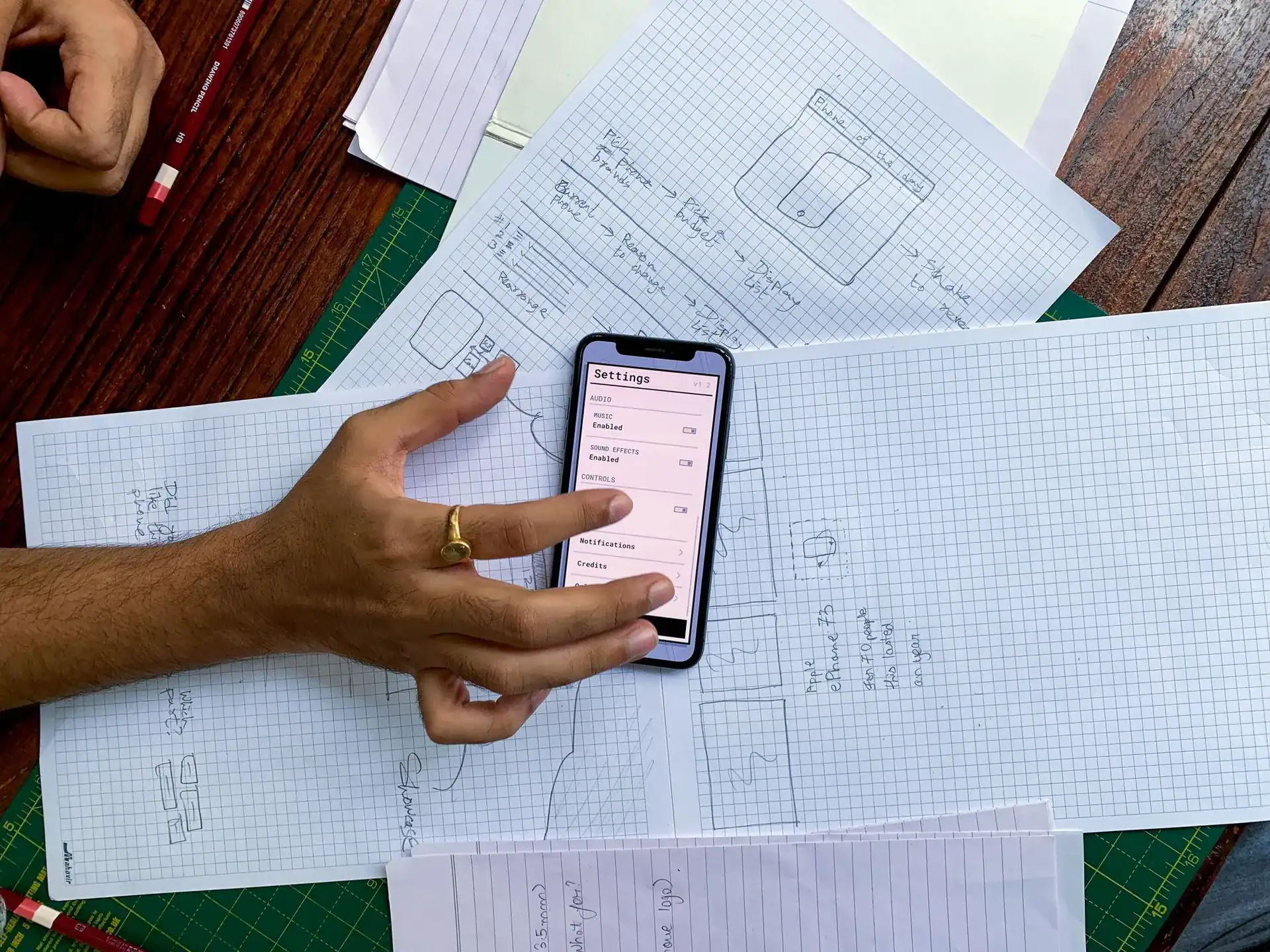
The range of activities covered under a standard mobile app maintenance contract typically includes:
- Bug fixes and troubleshooting
- OS and device compatibility updates (iOS/Android)
- Security patches and vulnerability monitoring
- Hosting, cloud storage, and bandwidth management
- Third-party API updates and monitoring
- Feature enhancements and minor improvements
- Compliance updates for changing SAMA and PDPL rules
In a Basic Bug-Fix Retainer, you get bug fixes, security patches, and general troubleshooting. For a Standard AMC, these tasks expand to include hosting support, OS update adaptation, monitoring connected services, and minor feature updates. Compliance-Heavy contracts cover all standard activities plus audit log management, regular compliance reporting, advanced encryption, and specialist testing required for regulatory approval.
Review which activities are included in each support tier. Extra requests beyond your base service tier often incur additional hourly fees.
Annual Maintenance Contract (AMC) vs. One-Time Maintenance Fees
Businesses in Saudi Arabia overwhelmingly favor Annual Maintenance Contracts for established or business-critical mobile apps. These AMCs come with predefined fees and guaranteed service levels (SLAs), creating predictable budgets and faster response times when issues occur.
In contrast, One-Time Maintenance engagements are ad-hoc, typically priced by the hour or by specific incident, with no guarantees for response times or proactive monitoring. While one-off maintenance may save money for seldom-used apps, it risks slower support and lost productivity when issues arise.
| Feature | AMC (Annual Contract) | One-Time Maintenance |
| Cost Model | Fixed annual fee (SAR) | Hourly or per-incident |
| SLA/Guaranteed Response | Yes (defined) | No |
| Proactive Monitoring | Yes | Rare |
| Compliance Coverage | Included in higher tiers | Not included |
| Best For | Ongoing, business-critical apps | Simple, low-usage apps |
For apps handling sensitive data or real user transactions, AMCs with contractual SLAs are the default choice, as they deliver better risk control and customer confidence.
Compliance-Driven Maintenance and the SAMA, PDPL Impact
Saudi Arabian regulatory requirements significantly influence both the scope and price of mobile app maintenance, particularly in finance and healthcare.
- SAMA enforces rigorous audit trails, encryption, and reporting for fintech products.
- PDPL focuses on personal data protection, including data retention rules and access controls.
Compliance needs add to cost, both in recurring technical activities and periodic audits. Businesses pursuing SAMA and PDPL certifications often pay a premium over the standard AMC rate, but benefit from reduced legal risk and improved client trust.
| Compliance Requirement | Typical SAR Uplift | Activities Included |
| SAMA | +20-30% | Audit trails, encryption, reporting |
| PDPL | +10-20% | Data retention, access controls |
| Both | +30-40% | Combined controls, external audits |
Investing in compliance-driven support means budgeting for both one-off security projects and ongoing reviews to adapt to shifting requirements.
OS Update Maintenance Frequency and Costs
Both Apple and Google introduce new OS versions regularly, which presents a maintenance challenge for businesses in Saudi Arabia that need to keep their apps current.
- iOS typically releases 1-2 major updates each year. Updates must be applied promptly to remain in the App Store and avoid compatibility issues.
- Android has 1-3 major releases annually, with additional device-level differences increasing complexity.
The work required for each update cycle, testing, adapting code, and retesting, usually translates to:
| Platform | Update Frequency | Typical SAR per Update | Notes |
| iOS | 1-2 major/year | SAR 10,000-15,000 | Prompt for App Store rules |
| Android | 1-3 major/year | SAR 8,000-20,000 | More device fragmentation |
Apps with large user numbers or high data sensitivity must factor these costs into annual support budgets. Missing OS deadlines can lead to outages or market penalties.
Hosting, API, and Security Patch Costs
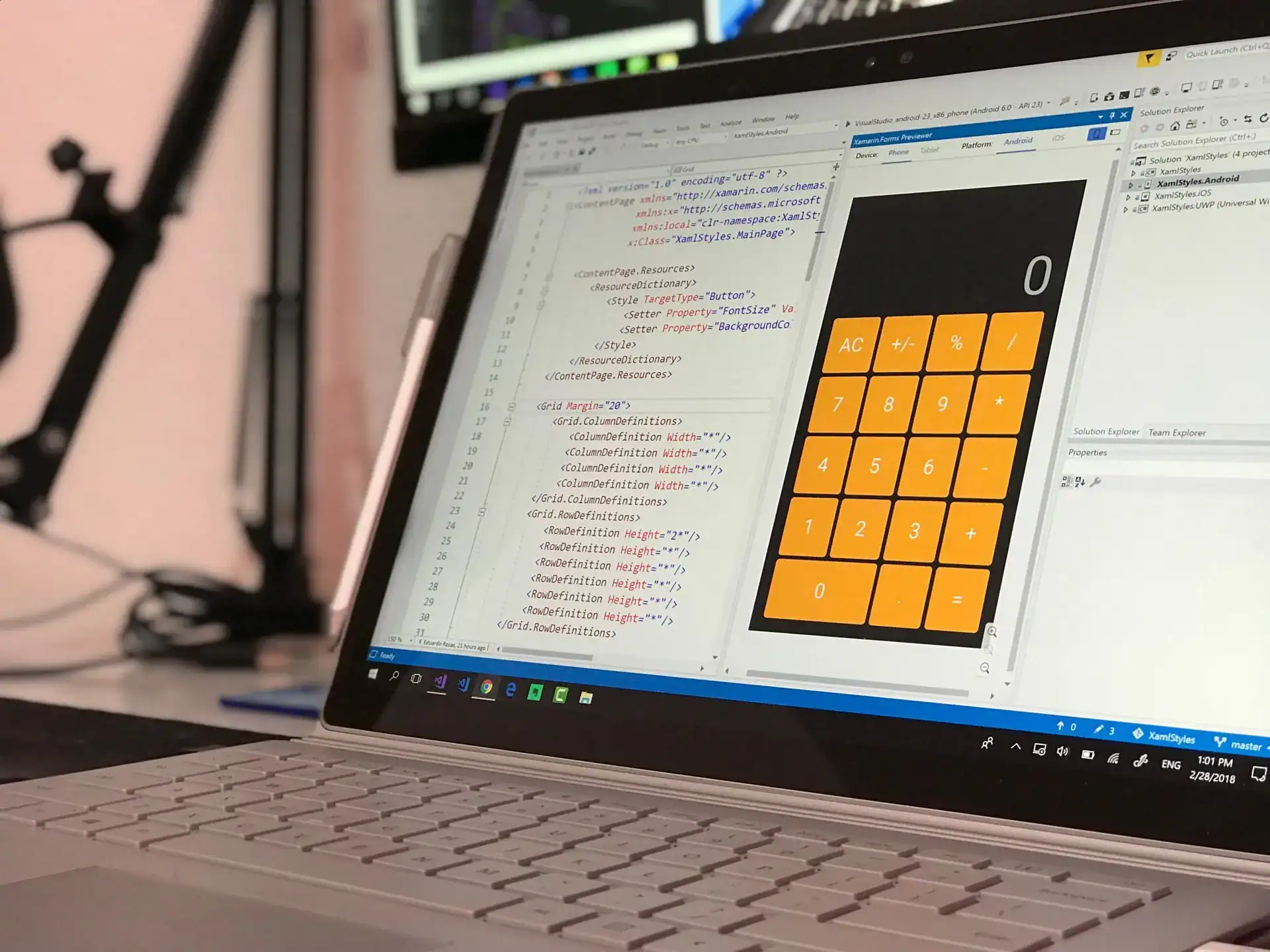
Ongoing costs like cloud hosting, API support, and security patch rollouts play a central role in long-term app operations.
- Hosting: Fees cover usage on platforms such as AWS, Microsoft Azure, or Saudi-based cloud providers. Costs depend on bandwidth, storage, and backup requirements.
- Third-Party APIs: Payment gateways, SMS, maps, or analytics services often require periodic technical updates and re-integration due to vendor-driven changes.
- Security Patches: Timely attention to new vulnerabilities is vital for regulated industries and public-facing apps.
| Item | Typical Annual SAR | Notes |
| App Hosting | SAR 2,000-10,000 | AWS, Azure, local providers |
| Third-Party APIs | SAR 5,000-25,000 | Payment, SMS, maps, etc. |
| Security Patches | SAR 5,000-15,000 | Especially for regulated industries |
Budgeting for these categories ensures apps remain stable, secure, and compliant as vendors and platforms evolve.
Post-Launch Support: Free Periods and Standard Practice
After a mobile app goes live, most Saudi Arabian development firms include a short free post-launch support phase. This period typically lasts 30 to 90 days.
During this window, clients receive:
- Free bug fixes
- Minor usability tweaks
- Help with app store submission or initial configuration
However, this period does not cover new features, major platform updates, or changes caused by third-party integration adjustments. Once the free support period ends, paid maintenance, via AMC or ad-hoc agreements, begins, with terms set out in initial contracts.
Choosing the Right Maintenance Partner in Saudi Arabia
Selecting the right maintenance provider is vital for managing cost, technical quality, and risk. Businesses can choose among in-house IT staff, local agencies, or international outsourcing firms, each with distinct benefits and tradeoffs.
- In-House Teams: Offer complete control and potential cost savings for large companies, but require ongoing hiring and training investments.
- Local Agencies: Are familiar with Saudi business customs and compliance, making them ideal for organizations with regulated or Arabic-language app needs.
- Outsourced Partners: Sometimes provide cost-competitive options and round-the-clock support, but may lack regulatory awareness or local market insight.
To choose wisely, ask providers:
- What services and activities are explicitly covered in the fee?
- What are your SLA response times, and how do you escalate critical incidents?
- What is your experience with SAMA and PDPL audits?
- Which technology stacks and platforms are your teams most experienced in?
- How do you report maintenance activities, and how transparent is your billing?
The rigor of your due diligence directly affects app uptime, legal compliance, and user satisfaction.
Want to discuss your project? Our experts are just a click away.
Contact UsHow Cubix Delivers App Maintenance Value in Saudi Arabia
Cubix delivers value for Saudi clients by offering fully tailored AMC packages that meet both business goals and national compliance requirements. Our teams based in Riyadh and Jeddah specialize in ongoing technical support for mobile apps used by leading fintech, healthcare, and public sector organizations.
With Cubix, clients benefit from:
- AMC plans built for Saudi laws, incorporating up-to-date SAMA and PDPL controls and rigorous compliance reporting
- Localized technical support and Arabic-speaking teams for on-demand help in Riyadh and Jeddah
- Proven track record supporting fintech, healthcare, and e-commerce apps at scale, from initial launch through year-by-year maintenance upgrades
- Unified teams that manage OS updates, API integrations, and continuous security patching, reducing both cost and downtime
- Predictable pricing in SAR, with transparent itemized billing and detailed monthly reporting meeting business and legal audit needs
By focusing on proactive risk management and clear communication, Cubix serves as a trusted long-term partner for organizations across Saudi Arabia relying on business-critical mobile applications. Learn more about our approach in the cost of mobile app maintenance service page and our mobile app development expertise
Mobile App Maintenance Cost Breakdown Example
Consider a real-world example: an app with an original build cost of SAR 400,000. Its annual maintenance cost might break down as follows:
- Bug fixes and troubleshooting: SAR 30,000
- OS updates (iOS/Android): SAR 20,000
- Cloud hosting: SAR 8,000
- API upkeep and integration maintenance: SAR 12,000
- Security monitoring and compliance: SAR 20,000
This totals SAR 90,000 per year (22.5% of build cost), which reflects the mid-range AMC price for an established business app with moderate compliance requirements.
Pie chart illustration:
- Bug Fixes: 33%
- OS Updates: 22%
- Hosting: 9%
- API Upkeep: 13%
- Security/Compliance: 22%
This breakdown helps you see where recurring investments go and highlights how app complexity and compliance shape total cost.
Comparing App Maintenance Pricing in Riyadh, Jeddah, and Across KSA
Mobile app maintenance prices in Saudi Arabia can vary based on local market norms, the size of the service provider pool, and regional economic factors. Riyadh, as the business and government hub, tends to have the highest average costs thanks to greater demand for compliance-heavy support packages. Jeddah, while still a major commercial center, often features slightly lower price points and a heavier mix of local agencies. Smaller cities and towns across KSA typically offer the most cost-competitive rates, though fewer providers may limit options for specialized projects.
| City | Basic Tier SAR | AMC SAR | Compliance-Heavy SAR |
| Riyadh | 35,000 | 75,000 | 140,000 |
| Jeddah | 32,000 | 70,000 | 130,000 |
| Other KSA | 30,000 | 65,000 | 120,000 |
Enterprises with high compliance needs favor larger, centrally located agencies. Startups and less regulated apps can take advantage of wider price flexibility nationwide.
Want to discuss your project? Our experts are just a click away.
Contact UsFAQ
1. How much does mobile app maintenance and support cost in Saudi Arabia?
Annual maintenance costs for mobile apps in Saudi Arabia usually fall between SAR 30,000 and SAR 150,000, with compliance-heavy projects costing more.
2. What percentage of the original development cost should I budget for annual maintenance?
It is standard to budget 15-25% of your initial app development cost for each year’s maintenance.
3. What does mobile app maintenance typically include, bug fixes, updates, hosting, and security?
Standard maintenance covers bug fixes, OS compatibility updates, security patches, hosting, API monitoring, and sometimes minor feature tuning.
4. Do SAMA or PDPL compliance requirements increase app maintenance costs?
Yes, SAMA and PDPL compliance often adds 20-40% to annual maintenance fees due to ongoing audit and technical control work.
5. How often do apps need OS update maintenance for iOS and Android?
Most apps require 1-2 iOS updates and 1-3 Android updates each year to stay compatible and meet store requirements.
6. What’s the difference between a one-time maintenance fee and an Annual Maintenance Contract (AMC)?
One-time fees are per-incident or hourly, without guaranteed response times, while AMCs provide fixed annual support with defined SLAs and proactive monitoring.
7. How long is free post-launch support usually included after initial development?
Free app support in Saudi Arabia typically lasts 30 to 90 days and covers bug fixes but not new features or platform changes.
8. Should I choose an in-house team, local agency, or outsourced partner for ongoing app maintenance?
Large companies may benefit from in-house teams, but most opt for local agencies or specialized partners for faster SLAs and local compliance expertise.
9. What questions should I ask before signing an app maintenance and support contract?
Ask about included services, SLA response times, compliance experience, technology stack familiarity, and reporting transparency.
10, Does app maintenance cost more for fintech or healthcare apps in Saudi Arabia due to SAMA/regulatory requirements?
Yes, regulated apps in fintech or healthcare sectors pay higher annual fees, as compliance-driven support involves extra controls, monitoring, and frequent audits.