Key Takeaways
- Unity powers more than 75% of Android mobile game releases, leading the market.
- Modern Unity workflows have reduced development time by 77% since 2022.
- Unity supports both 2D and 3D game modeling and offers cross-platform publishing.
- Smaller, faster-to-market games are now a top studio priority.
- This guide covers Unity setup, scripting, asset sourcing, optimization, and publishing for Android and iOS.
Unity stands as the top engine for mobile games, powering over 75% of Android game releases. This popularity comes from strong cross-platform publishing, user-friendly tools, and a thriving developer community. People at any skill level can use Unity for Android and iOS projects, ranging from simple 2D puzzles to complex 3D action.
But there’s more to Unity’s appeal than just platform reach. Unity workflows now allow teams to build and launch mobile games 77% faster than in 2022. Developers can work efficiently, whether part of a major studio or a small indie group. In this 2026 guide, you’ll see each step of the Unity mobile game creation process, from setup and asset sourcing to optimization and publishing.
As a mobile gaming app development, Cubix Games helps ensure release deadlines and technical standards are consistently met.
Why Choose Unity for Mobile Game Development?
Unity continues to lead the market because it offers broad flexibility and reach. More than three-quarters of Android games rely on Unity, and iOS developers also trust it for robust support and frequent updates. Its vast asset marketplace and strong community make it the backbone of mobile game creation for both newcomers and established studios.
With Unity’s cross-platform engine, you write code once and deploy everywhere: Android, iOS, Windows, macOS, Linux, wearables, and AR devices. Its clear documentation and thousands of tutorials make learning accessible.
In comparison to rivals, Unity stands out thanks to fair pricing, broad device support, and a lively asset marketplace.
Comparing Unity, Unreal Engine, and Godot for Mobile Development
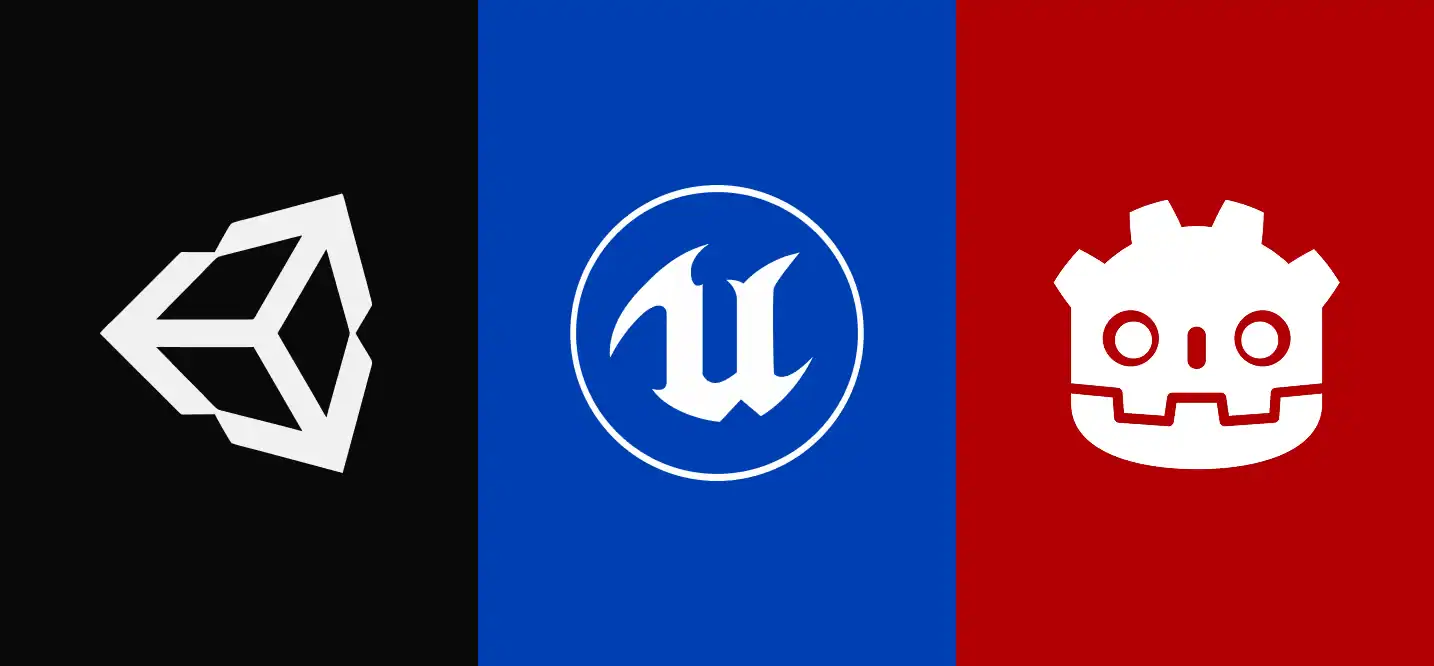
| Feature | Unity | Unreal Engine | Godot |
| Supported Platforms | Android, iOS, Windows, macOS, Linux, WebGL, AR/VR | Android, iOS, Windows, macOS, Linux, Switch, PS/Xbox | Android, iOS, Windows, macOS, Linux, Web |
| Asset Marketplace | Unity Asset Store (largest) | Unreal Marketplace | Godot Asset Library |
| Scripting Language | C# | C++ (Blueprints visual scripts) | GDScript, C#, C++ |
| Pricing | Free tier, revenue-share for high-grossing games | Royalty after first $1M gross | Open-source, free |
| Learning Curve | Moderate, strong community | Steep, better for AAA visuals | Easy, less documentation |
Unity works best for:
- Mobile-first projects that need quick prototyping
- Small or medium teams
- Games aiming for both 2D and moderate 3D graphics
- Teams that need lots of assets and frequent engine updates
If you want photoreal visuals or AAA experiences, Unreal could be a fit. For very small teams or those who want open-source tools, Godot is worth a look, but its mobile support is less mature.
Getting Started with Your Unity Mobile Game Project
Starting your mobile game in Unity begins with the right setup. First, install Unity Hub. Then, use it to install the latest Unity Editor version that’s certified for mobile game work in 2026. Windows, macOS, and Linux are all supported, with frequent updates.
Select the 2D template for simple games or the 3D template for richer experiences. For mobile, add the Android Build Support and iOS Build Support modules in Unity Hub. This lets you test and export games for actual devices without extra steps.
Here’s what you’ll need to get started in 2026:
Minimum Hardware and Software Requirements for Unity Mobile Development
| Platform | CPU | RAM | GPU | OS | Storage |
| Windows | Intel i5+, Ryzen 5+ | 8 GB+ | GTX 1050+/equiv. | Windows 11 (64-bit) | 20 GB+ SSD |
| macOS | Apple Silicon/M1+ | 8 GB+ | Integrated OK | macOS 13+ (Ventura/Sonoma) | 20 GB+ SSD |
| Linux | i5+, Ryzen 5+ | 8 GB+ | GTX 1050+/equiv. | Ubuntu 22.04+ | 20 GB+ SSD |
Unity’s installer will detect your system and walk you through setup. For stability and support, use the Unity LTS (Long-Term Support) release from early 2026.
Essential Tools and Software for Unity Mobile Game Creation

Unity’s built-in Editor, Asset Store, and Package Manager offer a complete toolkit. Adding popular third-party tools can improve workflow and polish.
Leading tools for Unity mobile game development in 2026 include:
- Visual Studio Code for writing and debugging C# scripts, with Unity integration.
- ProBuilder for fast level design and roughing in 3D spaces inside Unity.
- Cinemachine to manage camera controls and visual effects without heavy scripting.
- TextMesh Pro for clean, flexible text in menus and in-game UI.
- Unity Asset Store as the biggest source of ready-to-use models, textures, sounds, and templates.
- CGTrader and Sketchfab for additional 3D models, with many mobile-ready options.
Top Tools for Unity Mobile Game Development (2026)
| Tool/Plugin | Cost | Best For |
| Unity Editor | Free, paid tiers | All development, 2D/3D, multiplatform |
| Visual Studio Code | Free | C# coding, debugging scripts |
| ProBuilder | Free (Unity asset) | Level geometry, quick 3D prototyping |
| Cinemachine | Free (Unity asset) | Camera control, cutscenes |
| TextMesh Pro | Free (built-in) | UI and menu text, score displays |
| Unity Asset Store | Free/paid assets | 3D models, sprites, sound, prefabs |
| CGTrader | Free/paid | Special 3D assets, mobile-ready models |
| Sketchfab | Free/paid | Animated 3D models, VR/AR content |
If you’re starting out, stick with the default Unity Editor, Visual Studio Code, and the Unity Asset Store. Online documentation and forums are useful if you feel stuck.
Step-by-Step Guide to Making a Simple 2D Mobile Game in Unity
Building a 2D game in Unity works for both beginners and veterans. Here’s a big-picture walkthrough:
- Create a New Project: Open Unity Hub, select the 2D template, name your project, and set the workspace.
- Scene Creation: Set up the main scene in the Scene window. This is where your game begins.
- Import Assets: Drag sprites, backgrounds, audio, and UI elements into the Assets folder. Use subfolders to keep things organized.
- Game Objects: Place sprites as GameObjects in the Hierarchy. Add 2D Colliders and Rigidbody2D for anything that moves or reacts.
- Basic Scripting: Write simple C# scripts, such as PlayerController.cs, to handle movement and scoring. Attach scripts as needed.
- Input Controls: Use Unity’s Input System to map touch actions and controls for devices.
- User Interface: Add Canvas objects for menus, scores, and buttons. Use TextMesh Pro for crisp display.
- Testing: Use Play in the Editor for quick feedback. Deploy to Android or iOS devices or use the Device Simulator for previews.
Common Unity Scripting Tasks with C# Code
| Task | Sample C# Snippet |
| Move character | `transform.Translate(Vector2.right * speed * Time.deltaTime);` |
| Detect input (touch) | `if (Input.touchCount > 0) { /* Handle Touch */ }` |
| Detect collision | `void OnCollisionEnter2D(Collision2D col) { }` |
| Update UI text | `scoreText.text = “Score: ” + playerScore;` |
Practice these basics. You’ll return to them in almost every Unity mobile project.
Scaling Up with 3D Mobile Game Development and Advanced Features
Moving to 3D means new workflows and added complexity. You’ll start with Unity’s 3D template and import 3D models and animations as needed.
- 3D Model Importing: Drag .fbx, .obj, or .blend files into Unity, then use the Animator and Animation windows for movement.
- Physics and Lighting: Use Rigidbody, Colliders, and Unity’s lighting tools for balance between looks and performance. For mobile, simplify shaders and use static lighting for speed.
- Performance Optimization: Focus on batching, using LOD (Level of Detail) models, and compressing assets. The Unity Profiler helps identify bottlenecks.
- Online Multiplayer: According to the 2026 Unity Game Development Report, 83% of studios now add multiplayer, with 55% preferring shorter, faster sessions (2–9 players) for mobile.
- AI Integration: Features like adaptive difficulty, bots, and procedural content are common, with 95% of studios using AI through Unity integrations and scripts.
Performance Tips for 3D Mobile Games
- Use compressed textures and cap resolution.
- Optimize model polygons for target devices.
- Bake lighting and avoid real-time shadows when possible.
- Reuse pooled game objects to cut down processing.
- Test on real phones, not just simulators.
- Remove unused assets and code before building.
- Check battery and memory on lower-end devices.
These steps help even complex 3D mobile games run smoothly on modest hardware.
Asset Sourcing for Models, Textures, and Audio
Good assets make your game stand out. Unity’s Asset Store, plus platforms like CGTrader and Sketchfab, offer huge libraries for 2D, 3D, and audio files.
- Unity Asset Store: Connects directly to Unity, with free and paid files for prototypes as well as commercial projects.
- CGTrader: High-quality 3D models, including many that are ready for mobile and AR.
- Sketchfab: Animated, rigged 3D models for richer gameplay or added VR/AR features.
- Kenney.nl and OpenGameArt: Free libraries for 2D/3D assets, all under open licenses.
- Freesound.org: Browse for sound effects and audio using Creative Commons licensing.
Best Sources for Mobile Game Assets
| Source | Asset Types | Licensing | Quality Level |
| Unity Asset Store | 2D, 3D, audio, VFX | Commercial, royalty-free | Beginner to pro |
| CGTrader | 3D models, AR assets | Commercial, some free | Medium to high |
| Sketchfab | 3D, VR, AR models | Commercial, free/demo | Medium to high |
| Kenney.nl | 2D, 3D, icons | CC0 (no credit needed) | Beginner to medium |
| OpenGameArt | 2D, 3D, audio | Various CC licenses | Beginner to medium |
| Freesound | Audio, SFX | Various CC licenses | Beginner to pro |
Check licenses before using assets. Compress all textures and models for mobile, and remove anything unused before launch.
Testing, Optimization, and Debugging for Mobile Devices

Testing on real hardware matters. Unity lets you build directly to Android or iOS devices from the Editor. Always test on a range of phones, budget models included.
- Profiling and Debugging: Use the Unity Profiler for frame rate, memory, and bottleneck checks. Emulators and cloud testing services add coverage if you lack many devices.
- Optimizing Build Size: Load assets only when needed with Addressables, remove unused code, and compress images.
- Reducing Battery Drain: Lower physics update rates, minimize background tasks, and avoid nonstop animations.
- Frequent Pitfalls: Heavy real-time shadows, uncompressed textures, and too much background audio slow games on mobile. Optimize early and revisit testing to avoid last-minute issues.
Keep testing throughout development. Spotting bugs early saves time and effort later.
Publishing Your Mobile Game on App Stores
Launching your game takes organization. Both Google Play and Apple App Store need you to follow set procedures and meet design requirements before your game goes live.
- Prepare high-res icons, splash screens, and promotional screenshots.
- Write clear metadata, including a game description, keywords, and privacy links.
- Set up developer accounts. Google and Apple have different sign-ups and fees.
Publishing Requirements and App Store Fees
| Store | One-time/Annual Fee | Main Requirements |
| Google Play | $25 one-time | Developer account, APK/AAB, assets, privacy policy |
| Apple App Store | $99/year | Developer account, Xcode/iOS build, assets, privacy/data rules |
| Amazon Appstore | Free | .apk build, compatibility check |
| Huawei AppGallery | Free | .apk build, quality review |
Submission reviews range from quick (hours for Google) to a few days (Apple). Always check for the latest policies, as app store rules change often.
Common Challenges and How to Overcome Them
Mobile game development moves fast. Over 52% of developers now focus on building smaller games to stay flexible and reduce risk.
Typical challenges:
- Project Scope Creep: Too many big ideas lead to delays. Start with a minimum viable product, then build out after feedback.
- Monetization: Pick the right model. Ads work for most, in-app purchases suit deeper games, and premium pricing can attract niche fans.
- Constant Updates: Unity and phone OS updates happen often. Plan for ongoing maintenance after launch.
- Community Support: Forums, Discord groups, and Q&A sites provide fast help. Most common Unity problems already have solutions online.
Managing your project well and staying engaged with the community can greatly improve your chances of success.
Learning Resources: Tutorials, Courses, and Communities
You can learn Unity without formal schooling. There are hundreds of quality resources for every learning style and budget.
- Unity Learn: The official hub for up-to-date, guided project tutorials.
- YouTube: Channels like Brackeys, Code Monkey, and Blackthornprod are trusted for practical advice.
- Online Courses: Udemy, Coursera, and Pluralsight offer structured tracks for beginners and advanced users.
- Books: Popular picks include “Unity in Action” and “Learning C# by Developing Games with Unity.”
- Communities: Unity forums, Discord, and local meetups provide real feedback and connection.
- Learning C#: Use C# guides specific to Unity, as its API differs from standard .NET.
Active participation in these communities helps you keep up with engine changes and new techniques.
Cubix Games Delivers End-to-End Unity Mobile Game Success
Studios and brands trust Cubix Games for Unity mobile game development because of targeted, specialized services that cover the entire pipeline. The Cubix team manages concept, design, coding, QA, and final publishing, supporting both 2D and 3D titles. Clients work with in-house artists for custom models and animation, and rely on Cubix for expertise in multiplayer networking and advanced AI features. Their game prototyping services also help clients validate ideas early in development.
Performance tuning and device-level optimization set Cubix Games apart. The engineering and creative leads hold Unity certifications and ensure efficient, high-quality results. They support everything from small puzzle games to large-scale multiplayer titles. Startups and major brands alike benefit from flexible engagement models and clear, ongoing project communication. From prototype through store release, Cubix Games has helped launch mobile hits across both Android and iOS. By working with Cubix Games, clients access leading Unity game development services, and 3d animation expertise, and a game development Studio trusted by global companies.
Want to discuss your project? Our experts are just a click away.
Contact UsFrequently Asked Questions
1. Can you make mobile games in Unity, and is it free to use?
Yes, Unity is one of the most popular choices for mobile game creation, and it offers a free tier. You need a paid license only if your revenue crosses certain thresholds or for some pro features.
2. What programming language do I need to learn for Unity mobile games?
C# is the primary scripting language for Unity mobile games. Visual Studio Code and other editors support Unity’s API with suggestions and debugging.
3. How long does it take to develop a typical mobile game in Unity?
Timing depends on complexity, but the median Unity project dropped to just 21 hours in 2025 from 91 hours in 2022, thanks to improved workflows and tools.
4. What are the main costs involved in Unity mobile game development?
Costs include Unity licensing (if needed), assets, developer accounts for app stores, and possibly extra tools or talent for modeling, audio, or scripting.
5. How do I publish my Unity game to Google Play or the App Store?
Build with Android/iOS support enabled, prepare app store assets and descriptions, and use the platform dashboards to upload and submit your game.
6. What’s the difference between building a 2D and a 3D mobile game in Unity?
2D games use sprites and simpler physics, while 3D games need models, lighting, and more performance tuning. Both share similar project steps.
7. Where can I find free tutorials or courses for making games in Unity?
Unity Learn, YouTube channels like Brackeys and Code Monkey, and sites like Coursera and Udemy are top sources for free or affordable training.
8. What are the most common mistakes beginners make in Unity mobile projects?
The biggest issues are trying to do too much, skipping performance checks, not testing on devices, and using unlicensed assets.
9. How do I optimize my Unity game for better performance on mobile devices?
Use compressed assets, static lighting, fewer real-time effects, and test often with Unity Profiler on real devices to spot issues.
10. What features make Cubix Games different from other Unity game development companies?
Cubix Games brings Unity-certified teams, in-house art and animation, multiplayer and AI expertise, and proven Android/iOS results, with flexible options and clear communication.