Key takeaways
- CoD’s 2026 relaunch is the hook: Modern Warfare 4 (Oct 23, 2026) dropping Game Pass day-one and MW4 leaning into wall-running/Omnimovement, this is the freshest, most citable news angle in the piece.
- Engine choice comes down to fidelity vs. speed: Unreal Engine 5.8 for realistic, high-fidelity shooters; Unity for stylized/mobile; Godot for open-source prototyping.
- Scope small first: 1 map, 2–4 weapons, 1 mode, polish that loop before expanding.
- Budget realistically: $450K–$1.1M for a mid-sized indie FPS with real multiplayer infrastructure; team salaries and multiplayer backend are the biggest line items.
- Multiplayer is the product, not a feature: server architecture, matchmaking, anti-cheat, and a real ranking/MMR system are what keep players past week one.
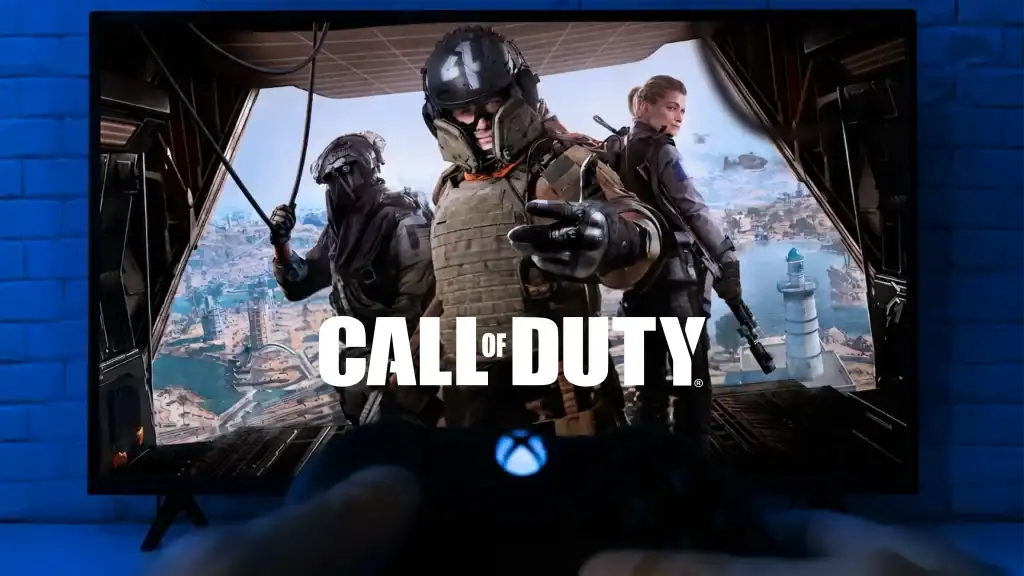
The FPS genre just got a jolt of adrenaline. Call of Duty: Modern Warfare 4 is confirmed for October 23, 2026, bringing back Captain Price, a Korean Peninsula setting, and rumored Omnimovement upgrades, and it’s arriving without day-one Xbox Game Pass access for the first time in years. Whether you love or hate that shift, it proves one thing: the appetite for military shooters isn’t slowing down. The global FPS market, valued near $30 billion in 2024, is on track to approach $50 billion by 2033.
So if you’ve ever wanted to know how to make a game like Call of Duty, or build a shooting game like Call of Duty for your own studio, you’re chasing a genre that’s still very much alive and evolving. It’s also one of the most technically demanding genres in gaming, blending animation, netcode, weapon balancing, and narrative design into one tight, addictive loop.
At Cubix, a game development company, we’ve helped studios and indie teams alike build FPS titles from the ground up. This guide walks through what it actually takes, tools, budget, team, and design, to build games like Call of Duty in 2026.
Want to discuss your project? Our experts are just a click away.
Contact UsWhy FPS Games Like Call of Duty Still Dominate in 2026
Call of Duty has anchored the FPS shooter games category since 2003, and its 2026 relaunch shows the formula still works, even as the franchise faces real competition. Black Ops 7 closed out 2025 as the series’ weakest sales year since 2008, reportedly outsold by Battlefield 6, which is exactly why Infinity Ward is going all-in on “the definitive Modern Warfare” experience with MW4.
For developers, that’s a signal, not a warning. It means players are hungry for a shooter that nails the fundamentals: tight gunplay, fair multiplayer, and a world worth remembering. Building games like Call of Duty today isn’t about copying a template, it’s about building an ecosystem of movement mechanics, competitive systems, and community-driven content that keeps people logging in season after season.
The Heart of FPS Shooter Games: What Actually Makes Them Feel Good

What separates a forgettable shooter from one of the best FPS games of all time isn’t graphics, it’s feel. Crisp gunplay. Satisfying recoil. Instant feedback when a bullet connects. Call of Duty has spent two decades refining this, and any team building a competitor needs to obsess over the same details.
A Call of Duty-style FPS needs to deliver:
- Responsive, weighty shooting mechanics
- Well-balanced multiplayer systems and progression
- Environments that feel immersive without tanking performance
- Clean UI and combat feedback (hit markers, kill confirmations, minimaps)
- A core loop that rewards players for coming back
Cubix’s game design services are built around this exact principle, reverse-engineering the “feel” of AAA shooters and translating it into a repeatable design framework, backed by our games UI/UX expertise.
Best Game Engines and Tools for Building an FPS Game in 2026
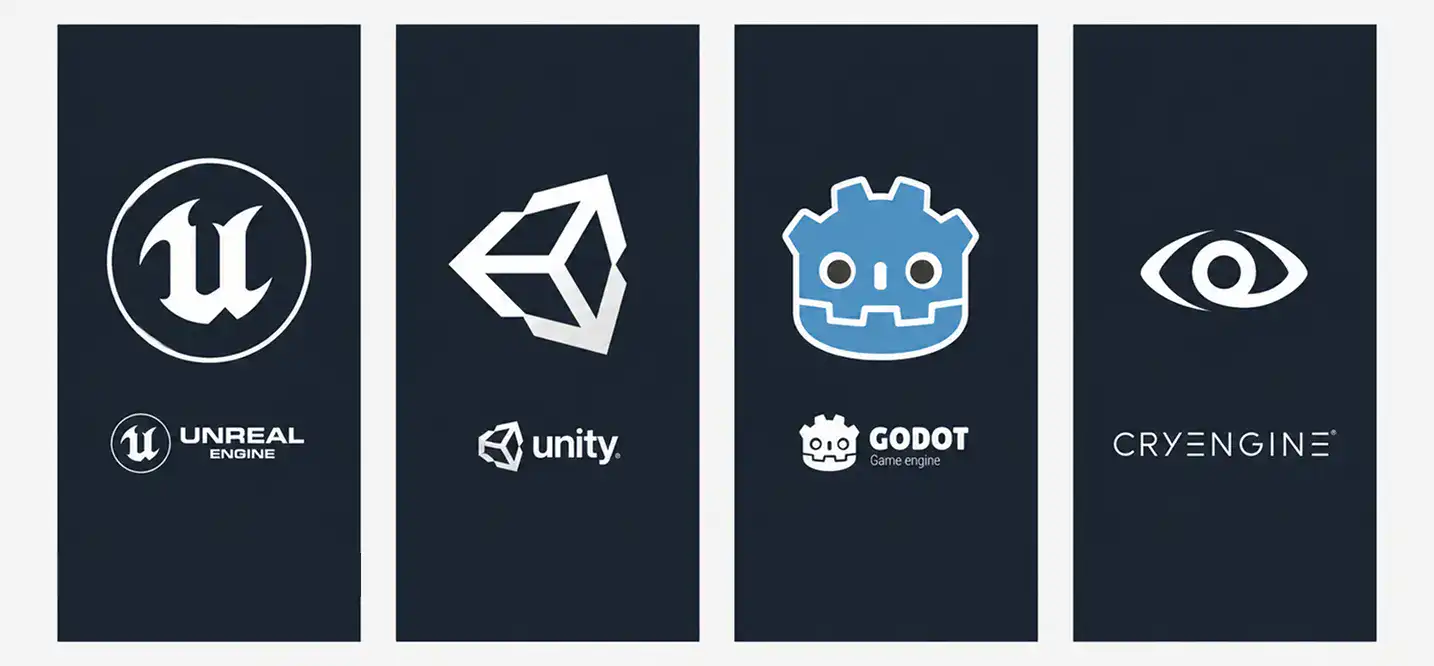
The first real decision any team faces: which engine? Unreal Engine 5.8, released in June 2026, brought faster in-engine character and animation tools, better real-time vegetation and terrain authoring, and even LLM-assisted content workflows, all of which matter for teams trying to move fast without AAA headcount. Epic has also begun previewing Unreal Engine 6, aimed at unifying its tech stack with Fortnite’s, though it’s not production-ready yet; UE5.8 remains the safe, mature choice for teams shipping in the next 1–3 years.
Here’s how the main options stack up for realistic, high-fidelity shooters:
| Engine / Tool | Best For | Strengths | Watch-Outs |
| Unreal Engine 5.8 | AAA-style realistic FPS | Nanite/Lumen visuals, built-in FPS templates, mature multiplayer framework | Steeper learning curve, higher hardware requirements |
| Unity | Stylized, mobile, or indie FPS | Flexible, faster iteration, strong asset store | More manual work to hit AAA-level polish |
| Godot (open-source) | Prototyping, small teams, budget-conscious studios | Free, lightweight, active community, good for testing FPS mechanics early | Smaller ecosystem for high-fidelity rendering and military-grade asset packs |
| CryEngine | Photorealistic environments | Strong native rendering fidelity | Smaller talent pool, less tooling support |
Whichever engine you choose, it’s just the canvas, it won’t fix a poorly scoped project. For high-fidelity 3D environments and character work specifically, teams typically pair their engine with dedicated pipelines like Cubix’s 3D character design services to keep asset quality consistent across weapons, characters, and environments.
Scoping Your FPS Game: Start Small, Build Smart
One of the most common mistakes new teams make is trying to launch with Call of Duty’s current scope, twenty maps, a hundred weapons, a full zombies mode, on day one. Call of Duty took over two decades to get there. Your first build should focus on:
- 1 map, fully polished
- 2–4 weapons, each with distinct feel and recoil pattern
- 1 gameplay mode (Team Deathmatch or Capture the Flag is enough)
If that single loop feels satisfying in playtests, you have a foundation worth building on. Cubix helps studios define this kind of focused scope before expanding into bigger maps, modes, and live-service content.
FPS Game Development Cost Breakdown for 2026
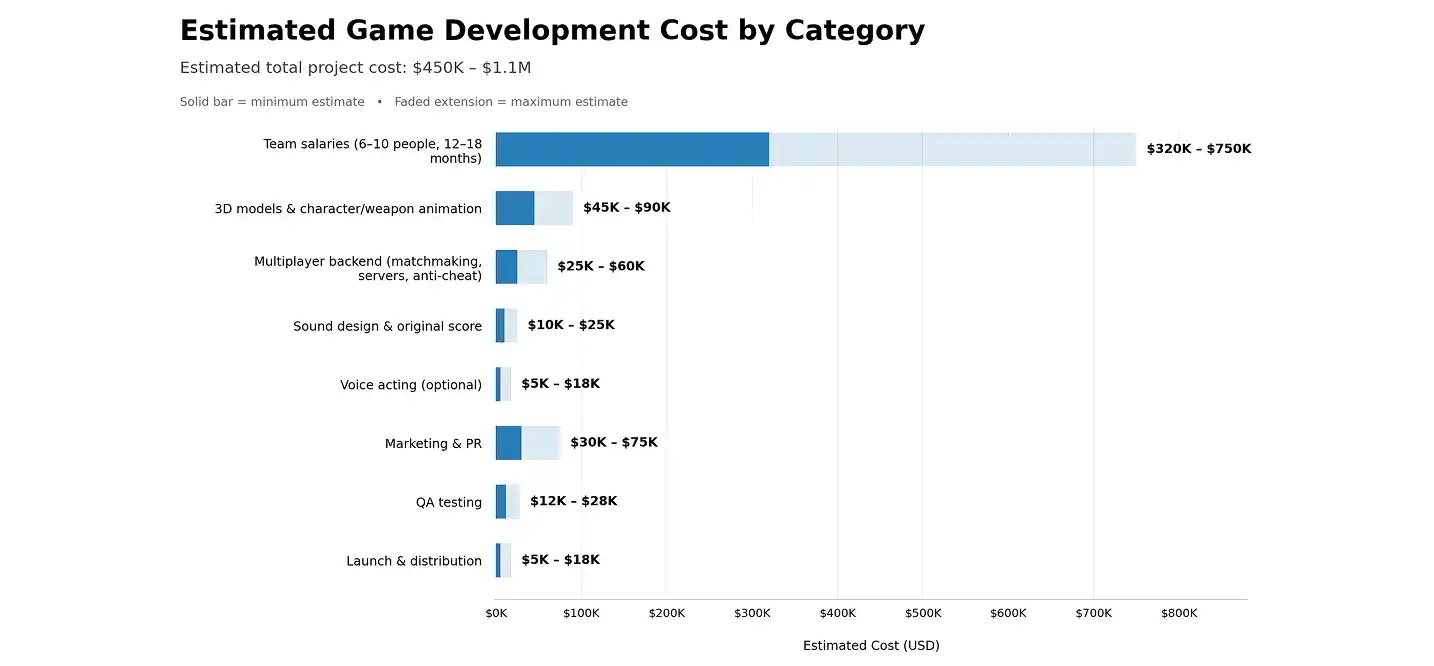
Budget is where a lot of ambitious FPS projects stall. A mid-sized, indie-scale shooter with real multiplayer infrastructure typically runs into six figures, here’s a realistic 2026 breakdown:
| Category | Estimated Cost (USD) |
| Team salaries (6–10 people, 12–18 months) | $320,000 – $750,000 |
| 3D models & character/weapon animation | $45,000 – $90,000 |
| Multiplayer backend (matchmaking, servers, anti-cheat) | $25,000 – $60,000 |
| Sound design & original score | $10,000 – $25,000 |
| Voice acting (optional) | $5,000 – $18,000 |
| Marketing & PR | $30,000 – $75,000 |
| QA testing | $12,000 – $28,000 |
| Launch & distribution | $5,000 – $18,000 |
| Total | $450,000 – $1.1M |
You can trim this as an indie or bootstrapped team, but multiplayer infrastructure, animation, and QA are the last places to cut corners, especially when you’re competing against studios shipping polished live-service shooters every year.
Assembling the Right FPS Development Team
Building shooting games like Call of Duty requires genre specialists, not generalists. The core roles to hire (or contract) early:
| Role | Responsibility |
| Game Designer | Pacing, gunplay feel, mission/mode design |
| Gameplay Programmer | Player controllers, AI, networking logic |
| 3D Artist | Weapons, characters, environments |
| Animator | Movement, reload, recoil, and hit-reaction animation |
| Sound Designer | Gunshots, explosions, ambient battlefield audio |
| UI/UX Designer | HUD, menus, weapon select, health/ammo indicators |
For character and weapon-heavy pipelines, studios often lean on specialized partners rather than building every discipline in-house, Cubix’s 3D character design services and game design services are built to plug directly into a team like this, covering everything from character rigging and animation to weapon modeling.
How to Build Advanced Multiplayer Features for FPS Games
If your goal is a game like Call of Duty, multiplayer isn’t a feature, it’s the product. The essentials:
- Server architecture built for low-latency, high player-count sessions
- Matchmaking systems that balance skill and connection quality
- Anti-cheat measures baked in from day one, not bolted on later
- Competitive ranking systems, proper MMR/ELO-style ladders, seasonal resets, and visible rank tiers keep players invested long-term
- Progression systems, weapon unlocks, camos, prestige-style loops
- Stat tracking and leaderboards for both casual bragging rights and competitive validation
Even smaller indie FPS projects benefit from lightweight versions of these systems, the key is making them feel fast, fair, and readable. As a dedicated shooting game development company, this is the layer Cubix spends the most engineering time on, since it’s usually what determines whether players stay past week one.
Campaign vs. Multiplayer: Where Should You Start?
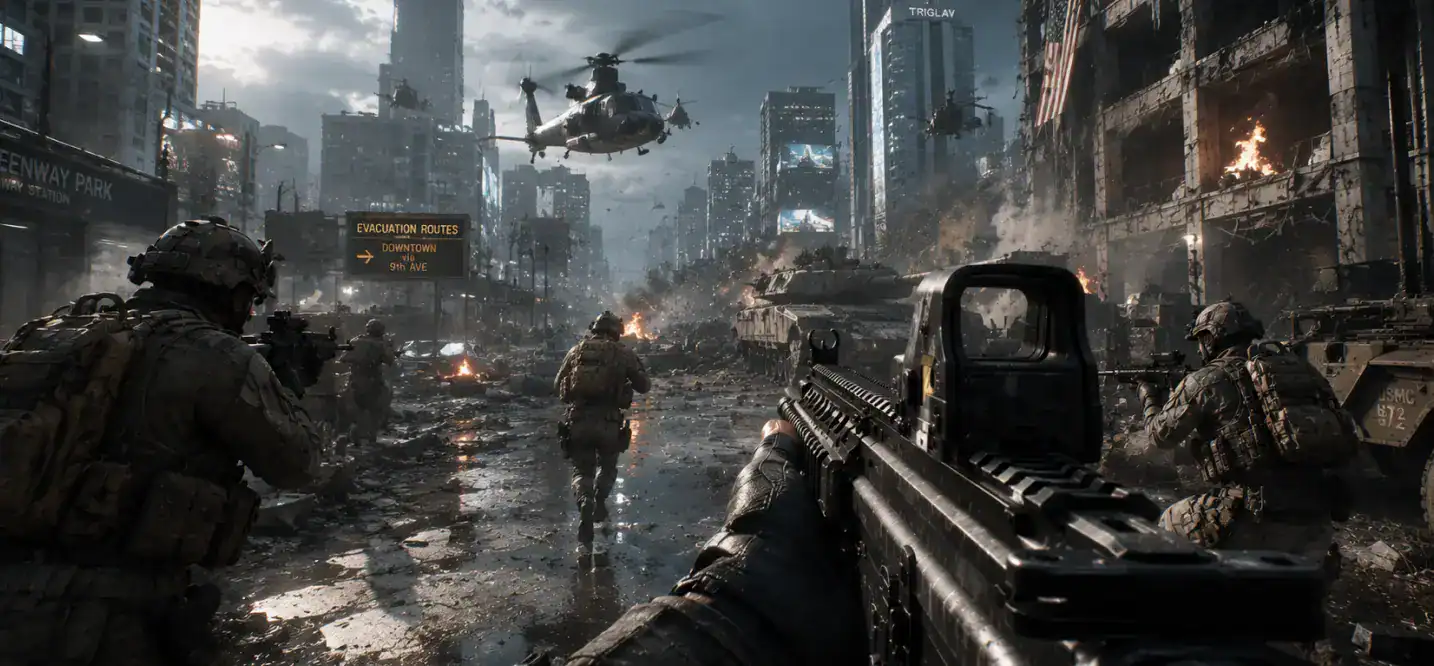
There’s no universal answer, it depends on your team’s strength. If storytelling is where your team shines, a tightly written campaign can carry the whole game; Titanfall 2’s single-player campaign is still cited as a masterclass in surprising, mechanically-driven storytelling years later. If your strength is fast-paced systems design, build the multiplayer loop first, even with bots or LAN-only testing, since getting the core combat feel right will make every other system easier to build around.
Weapon Feel: The Real Soul of an FPS Game
Every shot, reload, and recoil pattern has to feel intentional. This is the detail Call of Duty is genuinely legendary for, and it’s the first thing hardcore FPS players will judge. Test obsessively for:
- Time-to-kill (TTK) consistency across weapon classes
- Recoil patterns that feel learnable, not random
- Muzzle flash, smoke, and impact VFX
- Weapon-specific sound design
- Hit markers and damage feedback
On assets, most teams don’t model every weapon from scratch, pre-made, military-grade weapon model packs (through marketplaces like the Unreal Marketplace, Sketchfab, or dedicated asset studios) can dramatically cut production time, as long as they’re rigged for your animation pipeline. This is another area where 3D character design services-style partnerships pay off, since rigging and animation compatibility matter more than the raw model quality.
Storytelling and Visual Identity in FPS Games
Even multiplayer-first shooters need a reason for players to care. You don’t need cinematic cutscenes and A-list voice acting, two or three well-written lines of mission briefing, a strong environmental detail, or a consistent seasonal narrative can be enough to make a world feel lived-in.
Visual identity matters just as much as story. Call of Duty doesn’t lean purely on photorealism, its art direction (gritty warzones, near-future tech, distinct silhouettes) is what makes it instantly recognizable. For teams without a AAA budget, a consistent stylized or low-poly direction can outperform an attempt at half-finished realism. Keep in mind:
- Pick a tone (gritty, retro, near-future, stylized) and commit to it across every asset
- Keep color, lighting, and materials consistent across levels
- Design weapons and gear that visually belong to the same world
- Match UI style to your overall art direction
- Playtest for combat readability, players need to spot enemies and pickups instantly, even in chaos
Teams building narrative-driven shooters sometimes borrow structural techniques from other genres, Cubix’s RPG game development services team, for instance, frequently collaborates with FPS projects on branching mission design and character progression systems.
Final Thoughts
Making a game like Call of Duty is genuinely hard, but it’s not out of reach for a focused team with the right scope, tools, and priorities. Nail the gunplay feel, build multiplayer systems that are fair and fast, and give players a reason to stay past week one, and you’ve got a real shot at building something players return to.
If you’re ready to build a first-person shooter that competes on feel, not just budget, Cubix, a custom game development company, can help at any stage, from prototyping to full production. We also support studios expanding into mobile game development services for FPS spin-offs and companion experiences.
Want to discuss your project? Our experts are just a click away.
Contact UsFrequently Asked Questions
1. How do I create a first-person shooter game with advanced multiplayer features?
Start with a solid netcode foundation (dedicated servers over peer-to-peer for competitive integrity), then layer in matchmaking, anti-cheat, and a ranking system before adding cosmetic progression. Multiplayer architecture should be locked down early, retrofitting it later is expensive.
2. What game development platforms are best for realistic shooters?
Unreal Engine 5.8 is the current standard for realistic, high-fidelity FPS games thanks to Nanite and Lumen. Unity is a strong alternative for stylized or mobile-first shooters where iteration speed matters more than raw fidelity.
3. What are the best game engines for developing FPS games similar to popular military shooters?
Unreal Engine leads for photorealistic military shooters; CryEngine is a strong niche option for environment fidelity; Unity fits teams prioritizing speed and cross-platform reach, including mobile.
4. Are there open-source tools for building first-person shooter mechanics?
Godot is the most active open-source option for prototyping FPS mechanics and is increasingly used for smaller-scale or experimental shooters, though it currently has a smaller ecosystem for AAA-grade rendering.
5. What software creates high-fidelity 3D environments for FPS games?
Unreal Engine (with Nanite/Lumen), combined with tools like World Machine or Houdini for terrain, and Substance Painter for materials, is the standard high-fidelity environment pipeline in 2026.
6. Where can I source pre-made military-grade weapon models?
Marketplaces like the Unreal Marketplace, Sketchfab, and specialized 3D asset studios offer rigged weapon packs, just confirm rigging compatibility with your animation pipeline before committing.
7. How do I implement a competitive ranking system in an FPS multiplayer game?
Use a skill-rating model (MMR or ELO-based), pair it with seasonal resets and visible rank tiers, and make sure your matchmaking pulls from the same rating pool to keep matches balanced.
8. What are the best tools for character rigging and animation in action games?
Blender and Maya remain the industry standards for rigging, paired with Unreal Engine’s or Unity’s built-in animation blueprints/state machines for in-engine blending.
9. What are some games like Call of Duty worth studying?
Battlefield 6, Titanfall 2 (for campaign design), Apex Legends (for movement and ranking systems), and Warzone-style battle royales are all useful reference points depending on which system you’re studying.