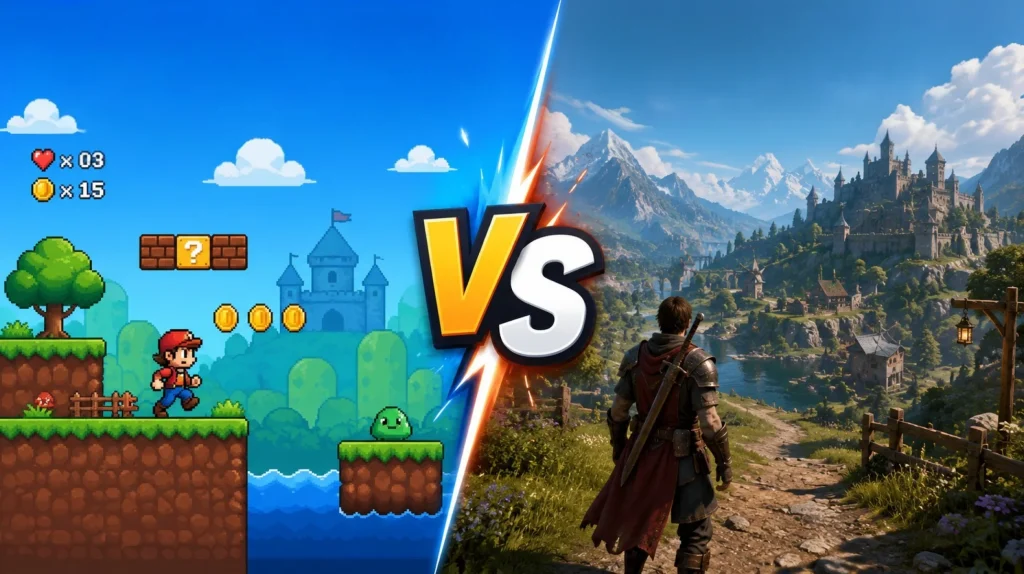
Key Takeaways
- 2D game development typically costs between $30,000 and $150,000
- 3D game development often ranges from $300,000 to over $2 million
- Art production is usually the largest cost difference between 2D and 3D projects
- 3D games require larger teams and more specialized talent
- Marketing budgets for 3D games are often significantly higher
- Choosing between 2D and 3D should depend on business goals, audience expectations, and budget, not just visual preference
The gaming industry continues to grow at an incredible pace in 2026. From indie mobile games to large-scale console experiences, developers and businesses are investing heavily in interactive entertainment. But before starting a project, one question always comes first:
How much does game development actually cost?
The answer depends largely on whether you’re building a 2D game or a 3D game.
A simple 2D indie game may cost anywhere from $30,000 to $150,000, while a medium-sized 3D title can easily require $300,000 to $2 million or more. The difference isn’t just about graphics. It comes from the complexity of asset creation, animation, programming, testing, optimization, and even marketing.
So, is a 3D game always worth the extra investment? Can a well-designed 2D game deliver better returns? And what exactly are you paying for in each development approach?
In this guide, we’ll break down every major cost factor, compare real-world budgets, and help you understand which option makes the most sense for your project.
How Much Does 2D vs 3D Game Development Cost in 2026?
If you’re looking for a quick estimate, here’s the short answer:
| Game Type | Typical Cost Range |
| Small 2D Indie Game | $30,000 – $75,000 |
| Mid-Scale 2D Game | $75,000 – $150,000 |
| Small 3D Game | $300,000 – $500,000 |
| Mid-Scale 3D Game | $500,000 – $2,000,000+ |
| Large Commercial 3D Game | $2,000,000 – $20,000,000+ |
While these numbers provide a useful starting point, every project is different.
For example:
- A simple 2D puzzle game can be completed by a small team within a few months.
- A 3D RPG may require dozens of artists, animators, programmers, and designers working together for years.
- Multiplayer functionality, cross-platform support, and live-service features can dramatically increase costs regardless of art style.
Understanding 2D and 3D Game Development
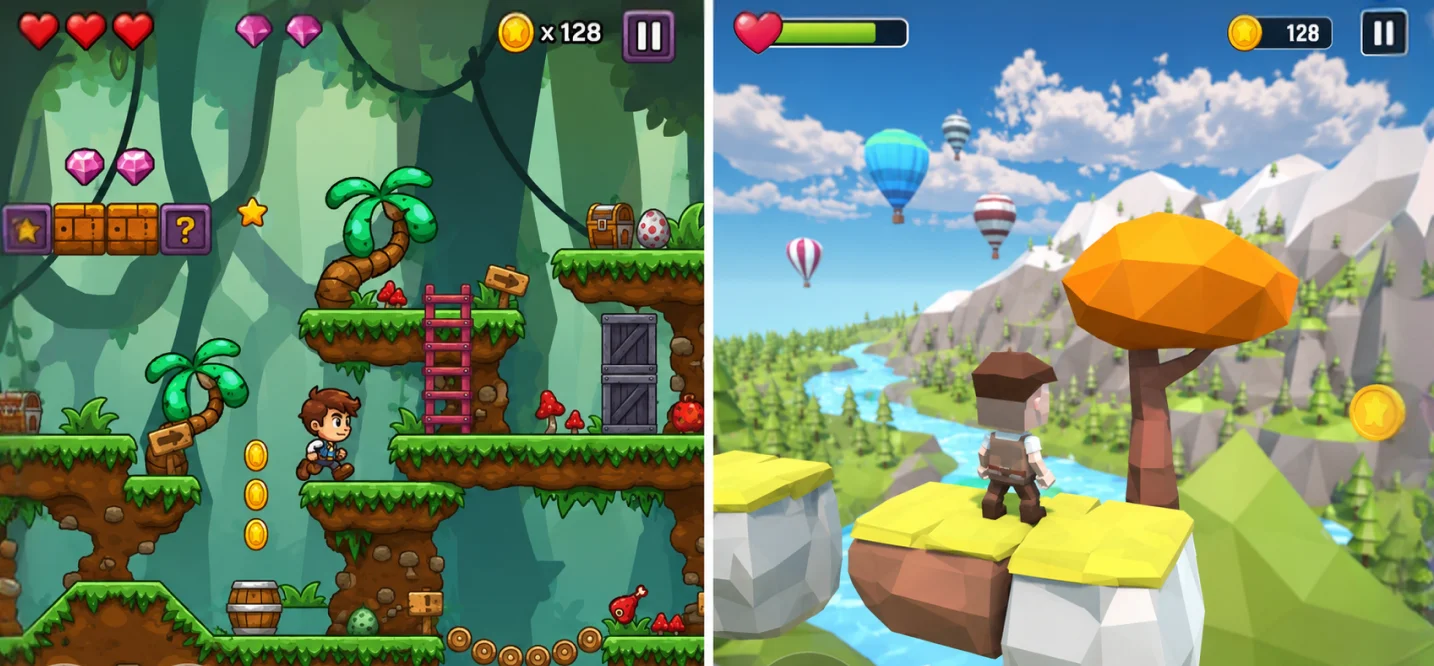
Many people assume the difference between 2D and 3D is simply visual appearance.
In reality, the difference affects almost every part of production, from art creation and programming to testing and marketing.
Understanding these distinctions helps explain why development budgets can vary by hundreds of thousands or even millions of dollars.
What Is a 2D Game?
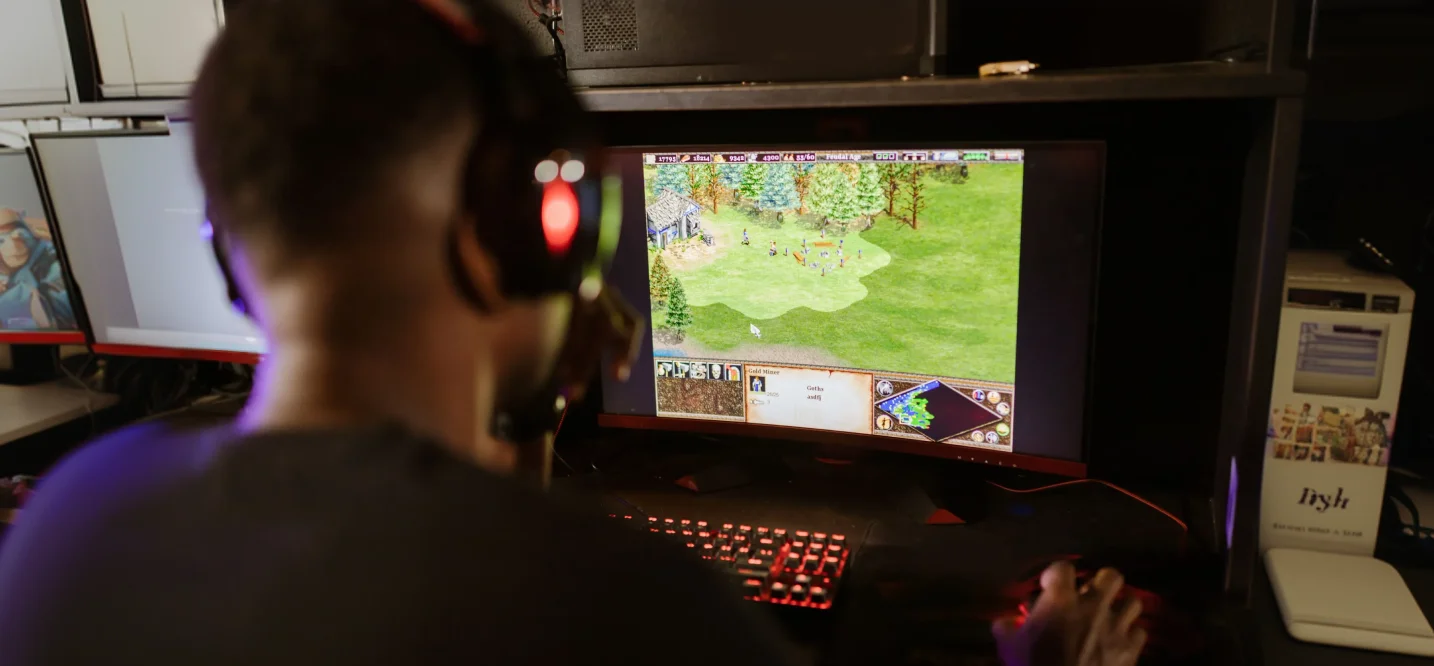
A 2D game exists on a flat plane with height and width but no true depth.
Characters, environments, and objects are created using illustrations, sprites, or frame-based animations.
Popular examples include:
- Platformers
- Puzzle games
- Card games
- Side-scrolling adventures
- Many mobile games
Because artists only create assets from specific viewpoints, production is generally faster and less expensive.
For example, a character sprite sheet may require dozens of drawings for movement animations, but it doesn’t need to be built as a complete three-dimensional object.
This significantly reduces asset production costs.
Common Technologies Used in 2D Development
| Technology | Purpose |
| Unity | Mobile and indie game development |
| Godot | Open-source game development |
| Construct | No-code/low-code development |
| GameMaker | 2D-focused game creation |
| Cocos2d | Mobile game development |
Advantages of 2D Games
- Lower development costs
- Faster production cycles
- Smaller teams
- Easier optimization
- Reduced technical complexity
Potential Limitations
- Fewer visual perspectives
- More limited environmental immersion
- Some genres may feel constrained
However, lower cost does not mean lower quality. Many of today’s highest-rated indie games are built entirely in 2D.
What Is a 3D Game?
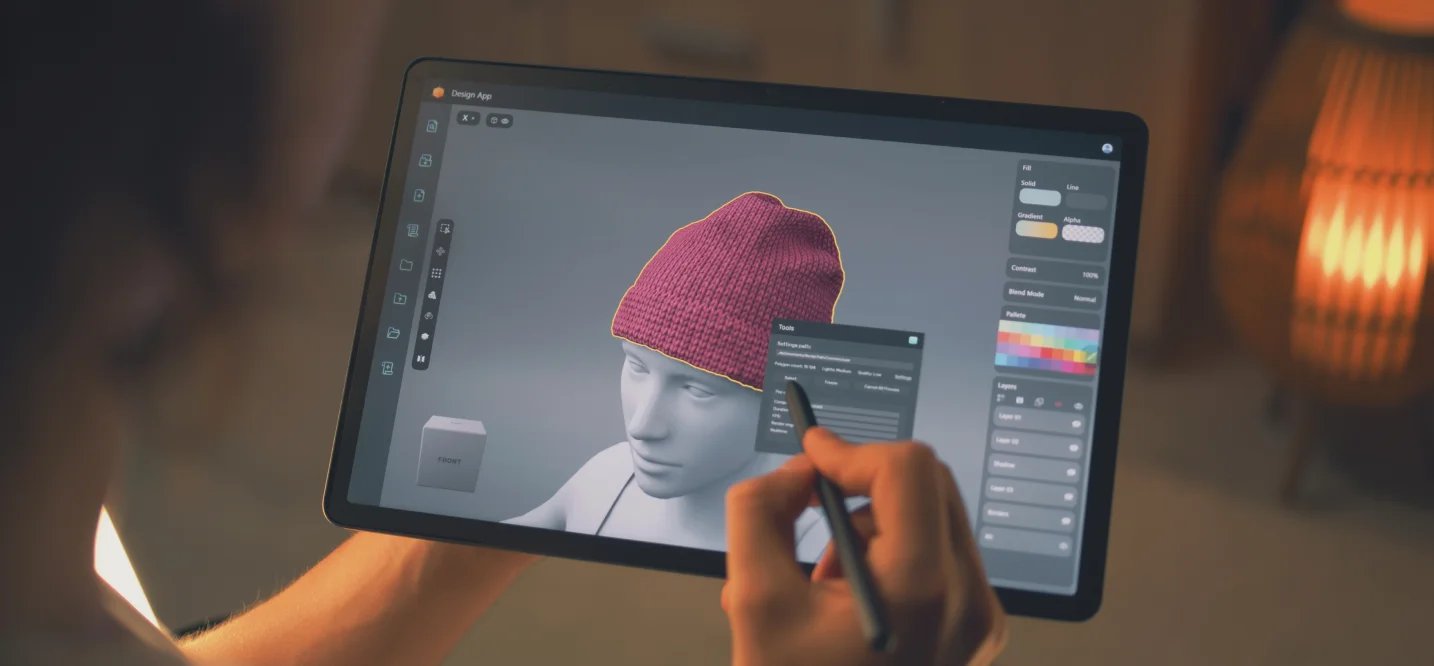
A 3D game creates a virtual environment with height, width, and depth. Players can often move freely through spaces while viewing characters and environments from multiple angles.
Examples include:
- First-person shooters
- Racing games
- Open-world adventures
- Sports simulations
- RPGs
- Battle royale games
Unlike 2D assets, every object in a 3D game must be fully constructed. A simple character model often requires:
- Concept art
- Sculpting
- Retopology
- UV mapping
- Texturing
- Rigging
- Animation
- Optimization
Each stage requires specialized skills, software, and production time. As a result, 3D development budgets increase rapidly.
Common Technologies Used in 3D Development
| Technology | Purpose |
| Unreal Engine | AAA-quality graphics |
| Unity | Cross-platform 3D development |
| Blender | 3D modeling and animation |
| Maya | Professional asset creation |
| Houdini | Procedural environments and effects |
Advantages of 3D Games
- Greater immersion
- More realistic gameplay experiences
- Better support for large environments
- Stronger visual appeal for certain genres
Potential Challenges
- Higher development costs
- Larger teams required
- Longer production schedules
- More complex testing and optimization
This is why many studios spend years developing a single 3D title.
Why Development Costs Differ So Much
At first glance, a character in a 2D game and a character in a 3D game might appear equally important.
Behind the scenes, however, the production process is dramatically different. Let’s compare the workflows.
Creating a Character: 2D vs 3D
| Production Stage | 2D Character | 3D Character |
| Concept Art | Yes | Yes |
| Illustration | Yes | No |
| Sprite Creation | Yes | No |
| Modeling | No | Yes |
| UV Mapping | No | Yes |
| Texturing | Limited | Yes |
| Rigging | Sometimes | Always |
| Lighting Setup | Minimal | Extensive |
| Animation | Moderate | Extensive |
| Rendering | Minimal | Significant |
A single high-quality 3D character can require several weeks of work. A similar 2D character may take only a few days. Now imagine repeating that process for:
- 50 characters
- 200 environmental objects
- Weapons
- Vehicles
- Buildings
- Effects
- NPCs
The difference quickly becomes enormous.
Team Size Matters
A small 2D game can often be developed by a 2D game development company through:
- 1 Game Designer
- 1 Developer
- 1 Artist
- 1 QA Tester
In some cases, a solo developer can build an entire game. A comparable 3D project may require:
- Game Designer
- Producer
- Technical Director
- Gameplay Programmers
- 3D Artists
- Environment Artists
- Character Artists
- Animators
- Lighting Artists
- QA Team
- Sound Designers
More people means higher labor costs. And labor remains the largest expense in game development.
Engine and Technical Requirements
Both Unity and Unreal Engine support 2D and 3D development. However, 3D games place much heavier demands on:
- Physics systems
- Lighting pipelines
- AI behaviors
- Rendering performance
- Memory optimization
- Cross-platform compatibility
These technical requirements increase engineering time and raise project budgets.
Marketing Costs Are Often Higher for 3D Games
Here’s something many first-time game creators don’t realize: Development isn’t the only cost.
Marketing frequently consumes a large percentage of the overall budget. Because players often compare 3D games against highly polished commercial titles, studios typically spend more on:
- User acquisition
- Influencer campaigns
- Paid advertising
- Launch promotions
- Community management
For some projects, marketing costs can equal or even exceed development costs.
2D vs 3D Game Development Cost Comparison (2026)
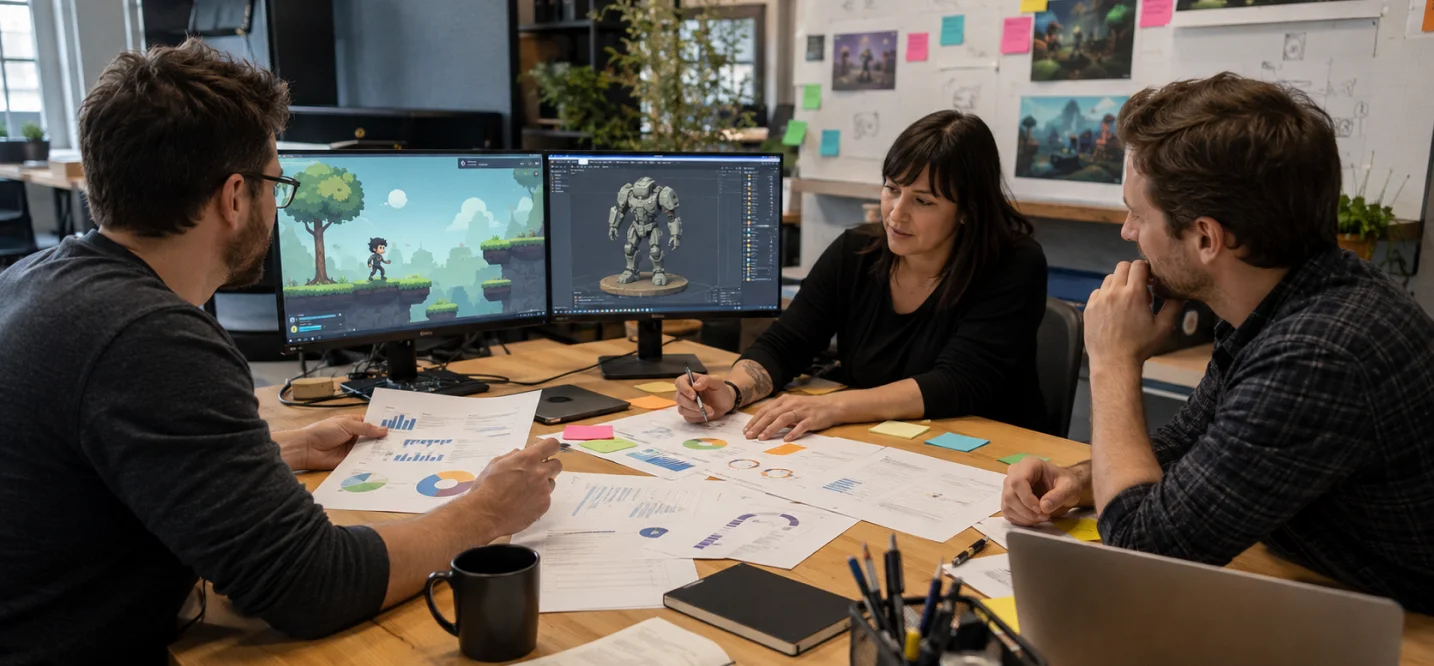
Now that we’ve covered the fundamental differences between 2D and 3D games, let’s get to the numbers.
One of the biggest misconceptions in game development is that 3D games simply cost a little more than 2D games. In reality, the budget difference can be substantial. In many cases, a 3D project costs anywhere from three to ten times more than a comparable 2D game.
The primary reasons include:
- More complex art production
- Larger development teams
- Longer production timelines
- Increased testing requirements
- Higher optimization demands
- Larger marketing budgets
The table below provides a realistic comparison of common development costs in the US market.
At-a-Glance Cost Difference
| Cost Component | 2D Game Development | 3D Game Development |
| Art & Animation | $5,000 – $50,000 | $20,000 – $200,000+ |
| Programming & Engineering | $10,000 – $100,000 | $50,000 – $500,000+ |
| UI/UX Design | $2,000 – $15,000 | $5,000 – $50,000 |
| Audio & Music | $2,000 – $10,000 | $10,000 – $50,000 |
| QA & Testing | $3,000 – $15,000 | $10,000 – $100,000 |
| Marketing & User Acquisition | $5,000 – $50,000 | $50,000 – $2,000,000+ |
| Estimated Total Cost | $30,000 – $150,000 | $300,000 – $2,000,000+ |
At first glance, programming costs may seem similar. However, 3D games often require advanced systems such as:
- Physics simulations
- Dynamic lighting
- Complex camera controls
- AI behaviors
- Multiplayer networking
- Environmental interactions
Average Development Timeline Comparison
Time is one of the largest hidden costs in game development.
Longer projects require more payroll, more project management, and more testing. Even a highly efficient team cannot rush asset production beyond certain limits.
Here’s how timelines typically compare:
| Project Scope | 2D Development Timeline | 3D Development Timeline |
| Small Indie Game | 3–6 Months | 6–12 Months |
| Mid-Scale Commercial Game | 6–12 Months | 12–24 Months |
| Large Commercial Title | 12–24 Months | 24–48+ Months |
Ask yourself:
Would you rather launch a polished game in six months or spend two years building a larger project?
There is no universal answer. The right decision depends on your audience, business model, and long-term goals. For startups and first-time publishers, shorter development cycles often reduce risk and improve speed to market.
How Much Does It Cost to Develop a 2D Game in the US?
2D games remain one of the most cost-effective ways to enter the gaming market.
Popular indie successes have proven that great gameplay often matters more than visual complexity. Games like platformers, strategy games, roguelikes, card battlers, and puzzle games continue to generate millions in revenue despite relatively modest production budgets.
But how much should you realistically budget for a 2D game? The answer depends on the game’s scope.
Small Indie 2D Games
Small indie projects typically focus on a core gameplay loop with limited content. Examples include:
- Puzzle games
- Endless runners
- Hypercasual mobile games
- Basic platformers
Typical budget:
| Project Type | Estimated Cost |
| Simple Mobile Game | $30,000 – $50,000 |
| Indie Puzzle Game | $40,000 – $70,000 |
| Small Platformer | $50,000 – $75,000 |
Most projects in this category are developed by teams of 2 to 5 people.
Mid-Scale 2D Games
Mid-sized projects include larger worlds, deeper progression systems, improved animations, and more polished artwork.
Examples include:
- Metroidvania games
- Tactical RPGs
- Deck-building games
- Multiplayer indie games
Typical budget:
| Project Type | Estimated Cost |
| Advanced Platformer | $75,000 – $100,000 |
| Tactical RPG | $100,000 – $125,000 |
| Multiplayer Indie Game | $100,000 – $150,000 |
These projects often require dedicated artists, designers, and programmers.
Premium Commercial 2D Games
High-end 2D games can rival the complexity of some 3D projects. Features may include:
- Full voice acting
- Online multiplayer
- Advanced AI
- Hundreds of animations
- Extensive content libraries
Typical budget:
| Project Type | Estimated Cost |
| Premium Indie Game | $150,000 – $250,000 |
| Large Commercial 2D Game | $250,000 – $500,000+ |
Although still less expensive than most 3D projects, premium 2D games can become significant investments.
Typical 2D Development Team Structure
One reason 2D development remains affordable is the smaller team size.
| Role | Average US Hourly Rate |
| Game Designer | $50–$120 |
| 2D Artist | $40–$100 |
| Animator | $50–$120 |
| Unity Developer | $60–$150 |
| QA Tester | $25–$60 |
| Project Manager | $60–$140 |
A complete 2D team may consist of only 4 to 8 specialists.
Most Expensive Parts of 2D Development
Many people assume programming is the largest expense. In reality, costs are usually distributed across several areas:
Art Production
Custom illustrations, environments, UI assets, and character animations often consume a large portion of the budget.
Feature Development
Adding multiplayer, leaderboards, cloud saves, and monetization systems can significantly increase engineering costs.
Content Creation
Every level, quest, character, item, and story sequence requires time to design and implement. The more content your game contains, the larger the budget becomes.
How Much Does It Cost to Develop a 3D Game in the US?
While 2D games offer affordability, 3D games provide a different level of immersion and player engagement.
They are often preferred for:
- RPGs
- Shooters
- Racing games
- Sports titles
- Simulation games
- Open-world experiences
However, that additional depth comes with a significant increase in cost.
Small 3D Projects
Even relatively simple 3D games require asset modeling, lighting, animation, and optimization. Typical budgets include:
| Project Type | Estimated Cost |
| Small Mobile 3D Game | $300,000 – $500,000 |
| Simple Racing Game | $350,000 – $600,000 |
| Small Multiplayer Game | $500,000 – $800,000 |
For many startups, this represents a major investment.
Mid-Size 3D Games
This category includes the majority of commercial projects currently entering the market.
Examples include:
- Action RPGs
- Strategy simulations
- Survival games
- Competitive multiplayer titles
Typical budget:
| Project Type | Estimated Cost |
| Action RPG | $800,000 – $1.5 Million |
| Simulation Game | $1 Million – $2 Million |
| Multiplayer Title | $1 Million – $2.5 Million |
These projects often require teams of 15 to 40 people.
Large-Scale Commercial Titles
AAA-style productions operate on an entirely different scale.
These projects may include:
- Open-world environments
- Cinematic storytelling
- Advanced AI
- Live-service infrastructure
- Motion capture
- Thousands of assets
Typical budgets range from:
| Project Type | Estimated Cost |
| Large Commercial Game | $2 Million – $20 Million+ |
| AAA Production | $20 Million – $200 Million+ |
Many modern blockbuster games exceed the budgets of Hollywood films.
Typical 3D Development Team Structure
A 3D game typically requires far more specialists than a 2D game.
| Role | Average US Hourly Rate |
| Game Designer | $60–$150 |
| Unreal Developer | $70–$180 |
| Unity Developer | $60–$160 |
| 3D Modeler | $50–$120 |
| Technical Artist | $70–$160 |
| Character Artist | $60–$150 |
| Animator | $60–$150 |
| Lighting Artist | $50–$120 |
| QA Tester | $25–$60 |
| Project Manager | $70–$150 |
A medium-sized 3D game can easily involve 15 to 40 specialists.
Why 3D Production Costs Rise Quickly
Many first-time game owners underestimate how much work goes into a single 3D asset.
Consider a playable character.
Before players ever see it in-game, the character typically passes through:
- Concept Art
- High-Poly Sculpting
- Retopology
- UV Mapping
- Texturing
- Rigging
- Animation
- Optimization
- Testing
Now imagine repeating this process for every:
- Character
- Weapon
- Vehicle
- Building
- Environmental asset
This is why budgets can grow rapidly as project scope increases.
Breaking Down Every Major Cost Component
Game Design and Pre-Production Costs
Every successful game starts with planning. During pre-production, teams define:
- Core gameplay mechanics
- Monetization strategies
- Technical requirements
- Art direction
- Platform targets
- Development roadmap
Typical investment:
| Project Size | Cost Range |
| Small Game | $2,000 – $10,000 |
| Mid-Scale Game | $10,000 – $50,000 |
| Large Game | $50,000+ |
Projects that skip proper planning often experience expensive delays later.
Art Creation Costs
Art is often the largest cost category.
2D Art Costs
- Character sprites
- Backgrounds
- UI elements
- Effects
- Animation frames
Average budget:
$5,000 – $50,000+
3D Art Costs
- Modeling
- Sculpting
- Texturing
- Rigging
- Environment creation
Average budget:
$20,000 – $200,000+
Programming and Engineering Costs
Developers transform ideas into working gameplay systems.
Common programming tasks include:
- Core gameplay mechanics
- AI systems
- Multiplayer networking
- Monetization features
- Backend infrastructure
Typical budgets:
| Project Type | Cost Range |
| 2D Game | $10,000 – $100,000 |
| 3D Game | $50,000 – $500,000+ |
Animation Costs
Animation costs vary dramatically between 2D and 3D projects. A simple sprite animation may take hours. A realistic 3D animation sequence may require days or weeks.
Typical range:
| Project Type | Cost Range |
| 2D Animation | $2,000 – $20,000 |
| 3D Animation | $10,000 – $100,000+ |
Audio and Music Costs
Sound design shapes the player’s emotional experience. This includes:
- Background music
- Sound effects
- Voice acting
- Audio implementation
Typical budget:
| Project Type | Cost Range |
| 2D Game | $2,000 – $10,000 |
| 3D Game | $10,000 – $50,000 |
Testing and Quality Assurance Costs
The larger the game, the more bugs you’ll need to find. Testing typically consumes: 5% to 15% of the total development budget.
Launch and Marketing Costs
A great game means little if nobody discovers it. Marketing often includes:
- Influencer campaigns
- Paid advertising
- Community building
- App Store optimization
- Steam page promotion
For many successful games, marketing budgets equal or exceed development costs. This is especially common in the highly competitive 3D gaming market.
Why Does 3D Game Development Cost More Than 2D?
By now, you’ve probably noticed a clear pattern throughout this guide: 3D games almost always cost more than 2D games.
But why is that the case?
The answer isn’t simply “better graphics.” The reality is that 3D games involve more production steps, more specialized talent, more testing, and significantly more technical complexity.
Let’s break it down.
Multi-Step Asset Production Pipeline
A 2D artist can often create a game asset using illustrations, sprites, and animation frames. A 3D asset, however, passes through multiple production stages before it can be used in-game.
| Asset Creation Stage | 2D | 3D |
| Concept Art | ✓ | ✓ |
| Illustration/Modeling | ✓ | ✓ |
| UV Mapping | ✗ | ✓ |
| Texturing | Limited | Extensive |
| Rigging | Optional | Required |
| Animation | Moderate | Extensive |
| Lighting Setup | Minimal | High |
| Optimization | Moderate | High |
2026 Game Development Industry Statistics You Should Know
Do you want to understand where the industry is heading? Here are some important trends shaping game development in 2026.
| Industry Metric | 2026 Estimate |
| Global Gaming Market Value | $250+ Billion |
| Global Gamers Worldwide | 3.5+ Billion |
| Mobile Gaming Market Share | Approximately 50% |
| Average Indie Game Budget | $30,000 – $300,000 |
| Average Mid-Size Commercial Game Budget | $500,000 – $5 Million |
| Average AAA Game Budget | $20 Million – $200 Million+ |
| Percentage of Steam Releases from Indie Developers | More than 80% |
How Cubix Helps Businesses Build Cost-Effective 2D and 3D Games

Whether you’re launching an indie title, an educational game, a simulation platform, or a large-scale commercial product, successful development starts with careful planning.
At Cubix, we help businesses validate ideas, define realistic budgets, and build games that align with their long-term objectives with our 3D game development services.
Our teams support:
- 2D Game Development
- 3D Game Development
- Mobile Game Development
- PC and Console Development
- Multiplayer Systems
- Live Operations Support
- Post-Launch Maintenance
[blog_cta]
“The biggest mistake businesses make is choosing between 2D and 3D based solely on visuals. The right decision comes from understanding your audience, business goals, and long-term monetization strategy. A well-designed 2D game can outperform an expensive 3D title when the experience is aligned with player expectations.”
– Salman Lakhani, CEO of Cubix
Frequently Asked Questions
1. How much does a 2D game cost to develop in the US?
Most 2D games cost between $30,000 and $150,000, although larger commercial projects may exceed $500,000.
2. How much does a 3D game cost to develop in the US?
A typical 3D game ranges from $300,000 to over $2 million, depending on complexity, team size, and platform requirements.
3. Is 3D always more expensive than 2D?
In most cases, yes. The additional modeling, rigging, animation, lighting, and optimization requirements make 3D development significantly more expensive.
4. Can a startup afford 3D game development?
Yes, but project scope is critical. Starting with a smaller MVP can help reduce risk and control costs.
5. Which game engine is more cost-effective?
Unity is often preferred for smaller and mid-sized projects, while Unreal Engine is popular for visually intensive 3D experiences.
6. What is the most expensive part of game development?
For most projects, art production, engineering, and marketing represent the largest budget categories.
7. How long does it take to develop a game?
A small 2D game may take 3 to 6 months, while a medium-sized 3D project can require 12 to 24 months or more.