Key Takeaways
- The right screening questions help you evaluate and compare any AI chatbot development company, supporting better long-term results.
- Industry experience, proven projects, and understanding of your business needs set the best enterprise chatbot development partner apart.
- Strong candidates demonstrate expertise in security, workflow integration, and post-launch support for custom AI chatbot development services.
- Transparent pricing and the ability to tailor AI chatbots directly to your operations are essential for lasting value and scalability.
- Knowing the common pitfalls helps you avoid costly missteps when considering questions to ask before hiring a chatbot development company.
The global conversational AI market is expanding rapidly, with huge commercial stakes for businesses making technology investments. According to Grand View Research, the sector is projected to grow from $17.7 billion in 2026 to $78.9 billion by 2033, increasing competition among vendors and raising customer expectations. The challenge for leaders is clear: with hundreds of firms offering to build chatbots, understanding how to choose an AI chatbot development company that matches your real business needs has never been more difficult or more critical.
A poor chatbot experience can frustrate customers, weaken your brand, and miss out on operational improvements. On the other hand, the right AI chatbot development company will boost productivity, support customers around the clock, and simplify complex workflows when you hire AI chatbot developers with the right skills. This article guides you through the essential screening process, detailing the nine questions to ask before hiring a chatbot development company and exactly what to look for in a genuine enterprise chatbot development partner.
9 Essential Questions to Ask Before Hiring an AI Chatbot Development Company

When facing the decision of which AI chatbot development company to trust, most business leaders quickly realize price and timelines alone are not enough to guarantee success. A company may look impressive on paper, but it is the questions you ask during the evaluation process that reveal their real strengths, weaknesses, and ability to deliver for your business. Understanding the questions to ask before hiring a chatbot development company gives you a clear framework for comparing vendors and reduces the risk of missed requirements or disappointment post-launch.
Each of the following nine questions targets a critical area where differences between vendors become clear, ensuring you know how to choose an AI chatbot development company that fits. Use these as your core checklist as you plan to hire AI chatbot developers, so you can make confident, strategic decisions rather than relying only on sales materials or generic portfolios.
What Experience Do You Have with Similar Use Cases?
Experience is the most reliable indicator of a vendor’s ability to solve your business challenges. Ask about specific chatbot projects they have delivered in your industry or with similar workflows. Listen for details about KPIs, user adoption, and the types of problems they helped solve, instead of just technical jargon.
Which AI, LLM, and NLP Technologies Do You Work With?
Leading vendors stay current with a mix of traditional chatbots and newer technologies like large language models (LLMs) and natural language processing (NLP). Ask which platforms (Anthropic, OpenAI, Google, etc.) and models (Claude 3, GPT-4o, Gemini, etc.) they work with. This shows both breadth of expertise and their ability to recommend the right approach for your business requirements.
How Do You Handle Integration with Existing Systems?
Successful chatbot projects rely on integrating smoothly with software you already use, such as CRM, ERP, ticketing, messaging, or industry platforms. Get specifics on past integrations, standard API support, and any middleware or custom connectors they have provided for enterprise chatbot development partners and custom AI chatbot development services.
What Are Your Security and Compliance Practices?
Security should never be an afterthought with AI projects. Ask about encryption, authentication, vulnerability management, and industry-specific compliance like GDPR, HIPAA, SOC 2, or PCI DSS. Serious vendors document their approach and will walk you through risk mitigation, especially if you handle sensitive data.
Can You Customize Chatbot Models for My Business Needs?
No two businesses or workflows are identical, so customization can be a make-or-break factor. Ask if they offer truly custom AI chatbot development services, like adapting model tone, intent recognition, workflows, or even integrations tailored to your processes. The ability to adapt is often what separates ‘cookie cutter’ bots from valuable digital co-workers.
What Post-Launch Support and Maintenance Do You Offer?
Chatbots need updates for new data, user behavior changes, and evolving requirements. Reliable AI chatbot development companies offer clear support models, SLAs, and options for continuous optimization. Ask for specifics on response times, update schedules, and ongoing performance monitoring to ensure your chatbot investment delivers ongoing value.
How Do You Ensure Data Privacy and User Protection?
With growing regulatory scrutiny and customer concern, get clear information on how your vendor handles user data. Ask about data flows, retention policies, anonymization, and role-based access. Look for alignment with your organization’s own policies and risk appetite.
What Is Your Approach to Pricing and Transparency?
You should never feel surprised by hidden costs. Ask about standard pricing models, such as fixed, usage-based, or subscription, what is included in initial builds versus ongoing support, and processes for change orders. Make sure the answer matches your budget needs and timeline, not just the vendor’s revenue goals.
Can You Provide References and Real-World Results?
Finally, request direct client references or detailed case studies that match your business needs. Strong vendors are proud to share their success stories and encourage you to speak with current or recent clients about their enterprise chatbot development partner experience.
Evaluating Vendor Experience and Use Case Alignment
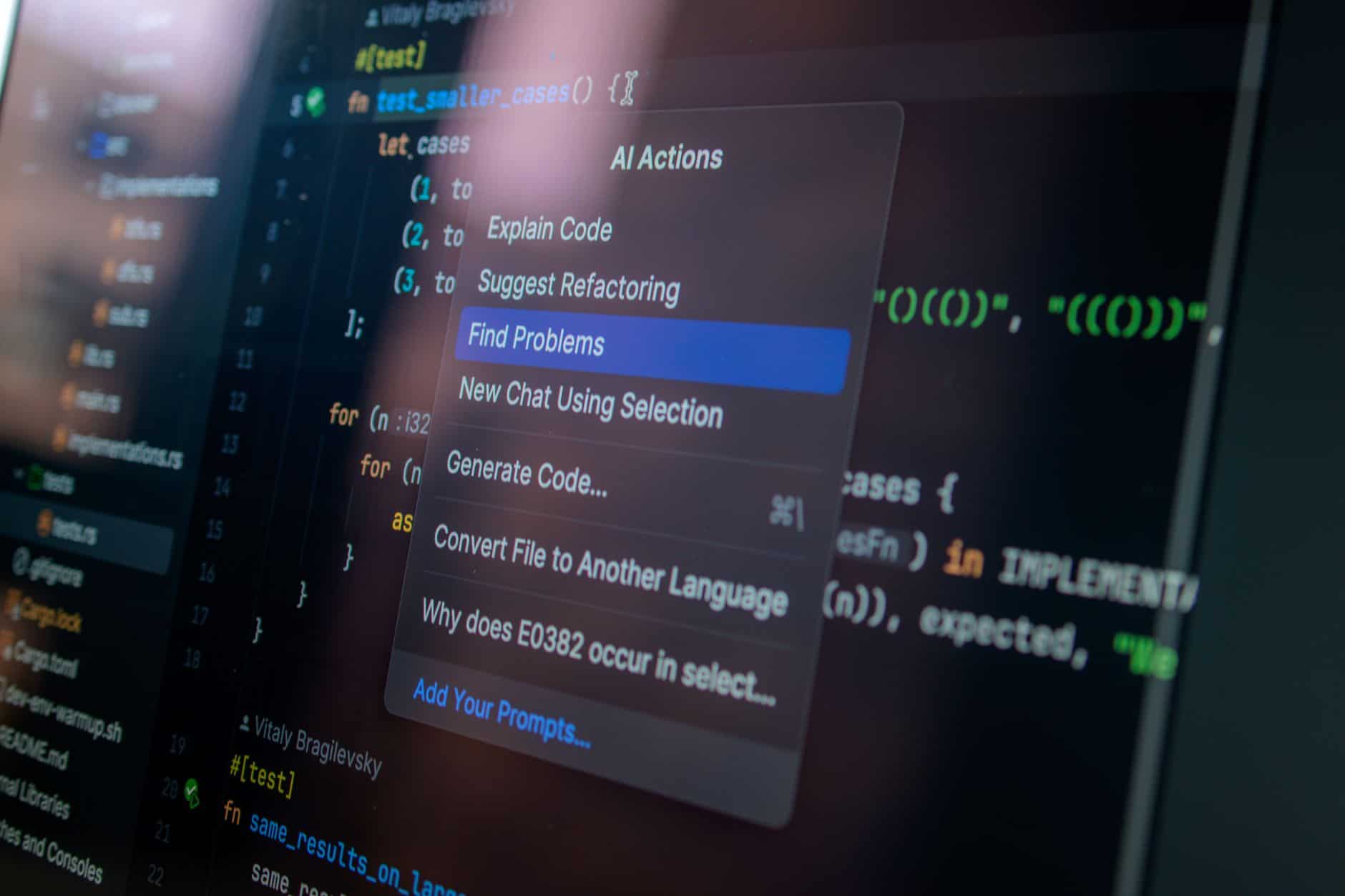
Thoroughly assessing an AI chatbot development company’s experience and relevant use case knowledge is essential. The landscape for enterprise chatbot development partners is shaped by rapid adoption and evolving benchmarks for quality. According to Pew Research, 44% of U.S. adults have used ChatGPT, up from 34% last year, showing that the typical user now expects more competent, human-like digital interactions.
Consider these factors:
- Signs of Strong Experience: Look for a sizable portfolio of chatbot deployments in your industry. Ask the vendor for a range of projects, such as customer support, sales automation, HR, or internal knowledge bots. Real expertise comes with measurable outcomes like KPI improvements, workflow enhancements, or post-launch upticks in usage.
- Vendor Claims vs. Client Outcomes: Some companies exaggerate their contributions or list every pilot as a ‘success.’ Review references and case studies, focusing on lasting deployments with documented impact over time, not short-lived pilots.
- Industry-Specific Understanding: Your vendor should know your regulatory context, typical user questions, and main pain points. That might include compliance hurdles in healthcare, multi-language support in e-commerce, or secure data flows in financial services.
- Warning Signs of Limited Experience: A lack of named clients, vague project outcomes, or a focus on only out-of-the-box bot builders (rather than custom AI chatbot development services) can indicate limited capability to deliver on your specific needs.
- References and Case Studies: Firsthand testimonials provide far more useful validation than website claims. You may hear how the development partner responded to real production challenges, offering the kind of insights only a satisfied client can share.
Vetting a company’s project experience helps ensure they can guide your implementation from start to finish, supporting you as a true enterprise chatbot development partner.
Assessing Technical Capabilities: LLMs, NLP, and Generative AI
Assessing an AI chatbot development company’s technical skill set is fundamental to achieving your desired outcome. Their strengths in generative AI services, large language models (LLMs), and natural language processing services will define what your chatbot can do at launch and how well it evolves with shifting user needs.
LLM and NLP Expertise
Evaluate if the company qualifies as a large language model development company and whether its engineers actively work with commercially proven technologies. Assess their experience in natural language processing services, covering both training smaller models and integrating advanced platforms. The best AI chatbot development company will demonstrate hands-on results, not just demo setups or plug-and-play alternatives.
Generative AI Integration
Enterprise buyers increasingly require chatbots that generate nuanced, creative, or informational responses. The right generative AI services partner will help you design chatbots that adapt to evolving topics, domain-specific language, and unpredictable conversations. Probe for examples where generative AI solved real-world business challenges.
Keeping Up with the Ecosystem
Leading vendors can explain why they would recommend Anthropic, OpenAI, or Google’s latest models for your use case. In April 2026, Anthropic’s workplace adoption on the Ramp platform surpassed OpenAI for the first time, reaching 34.4% compared to OpenAI’s 32.3%. This shift highlights the need for vendors who keep their technical advice current, rather than defaulting to last year’s technology stack. Seek partners who demonstrate regular platform assessments and transparent reasoning for their recommendations.
Up-to-date expertise in these core technologies ensures that your chatbot not only launches strong but remains competitive as the ecosystem changes.
Integration with Enterprise Systems and Workflows
Integration is often the deciding factor that makes chatbot projects successful over the long run. For an enterprise chatbot development partner, the ability to tie new solutions into your existing technology environment is crucial. According to Gallup, as of Q1 2026, 50% of U.S. employed adults use artificial intelligence at work, and 28% do so on a daily or weekly basis. This mainstream adoption depends on seamless integration that brings value without disruption.
Below is a table summarizing what to expect from leading AI chatbot development company partners, and how different players stack up when it comes to integrating with enterprise systems:
| Vendor | Supported Integrations | Notable Differentiators |
|---|---|---|
| Vendor A | CRM (Salesforce, HubSpot), ERP (SAP, Oracle), Slack, Teams, Custom APIs | Supports custom workflow triggers and bidirectional data sync; deep ERP connectors |
| Vendor B | Zendesk, ServiceNow, Dynamics 365, WhatsApp, REST APIs | Prebuilt libraries for quick deployment; strong reporting dashboard |
| Vendor C | Freshdesk, Shopify, Google Workspace, proprietary platforms | Offers middleware for legacy systems; robust error handling protocols |
A strong integration partner will not just list systems but describe how they handle authentication, permissions, and updates across business software. They should share past projects connecting to tools you already use, especially if you require complex multi-platform workflows typical of custom AI chatbot development services.
Seamless integration is essential for maximizing ROI and securing buy-in from your team. When done right, it accelerates adoption, removes silos, and enables richer automation across the business.
Security, Compliance, and Data Privacy
Strong security and compliance practices are non-negotiable for any serious AI chatbot implementation. Gaps in oversight, even if accidental, can expose businesses to critical risks. TechRadar recently noted that 80% of AI tools in enterprises run without IT oversight, creating direct threats to data and operational reliability.
Security, compliance, and privacy questions should drive in-depth discussions with your AI chatbot development company.
IT Oversight
Having IT involved from the start helps avoid shadow AI deployments, which often lead to unapproved data storage or unmonitored risks. Make sure you ask about how the vendor coordinates with IT, defines responsibility for updates, and supports regular security reviews.
Compliance Standards
The right enterprise chatbot development partner will know exactly which frameworks (GDPR, HIPAA, SOC 2, PCI DSS) are relevant for your business. Ask how they achieve and maintain compliance, such as through audit trails, third-party attestations, and automated monitoring.
Data Privacy
Investigate how vendors approach user data collection, storage, and access. Strong candidates for custom AI chatbot development services implement encryption, granular access controls, and clear retention policies. They are also transparent about data residency and deletion protocols.
To verify claims, request documentation like security certifications or penetration test results, and consult with your IT or compliance team before finalizing an agreement.
Customization and Model Adaptation for Business Needs
For many organizations, out-of-the-box chatbot tools quickly prove too limiting. Custom AI chatbot development services provide the flexibility to align bots with your precise workflows and brand standards. Daily workplace AI usage has hit a record high of 13% in the U.S., with 65% of users reporting a positive impact on productivity. This trend highlights the value of AI investments that match actual business practices.
- Intent Recognition Customization: Adapting models so they handle industry-specific phrases, common slang, multiple languages, or even business acronyms.
- Tone and Brand Alignment: Tuning bots to adopt your preferred communication style, formal, helpful, or even playful, across every user touchpoint.
- Workflow Triggers: Building custom flows that kick off processes, route tickets, escalate issues, or integrate directly with back-end systems.
- Role-Based Experiences: Enabling different experiences for customers, employees, or partners, ensuring users always get relevant support.
- Adaptation Drives Productivity: When bots are molded to mirror best-practice workflows, users save time, reduce manual errors, and increase satisfaction through faster resolutions.
Ask any AI chatbot development company about their exact process for customization. The best partners will consult stakeholders, iterate on early prototypes, and adjust based on usage data post-launch.
Post-Launch Support, Training, and Continuous Improvement
A long-term chatbot initiative depends on more than just getting the technology running. Your AI chatbot development company should provide ongoing collaboration and help your team get the most out of your investment. Powerful post-launch support and improvements separate true enterprise chatbot development partners from one-off vendors.
Support Models
After launch, expect detailed service models such as monthly check-ins, incident response, and scheduled performance reviews. The strongest partners offer support SLAs, dedicated contacts, and clear escalation paths for issues.
Training for Your Team
User satisfaction rises with proper onboarding. Look for a company that builds training packages, generates clear documentation, and even delivers live Q&A sessions for employees or customers.
Continuous Improvement
Continuous optimization can include tracking usage metrics, gathering direct user feedback, and making proactive changes to bot responses and workflows. Vendors should use regular reporting and roadmap sessions to identify and deliver enhancements throughout the chatbot’s lifecycle.
Pricing Transparency and Value Assessment
Understanding a vendor’s pricing model in detail is beneficial to your budgeting process and reduces the risk of unpleasant surprises. When considering an AI chatbot development company, make sure you assess value as well as price.
- Why Transparency Matters: A clear quote minimizes hidden costs and lets you plan for both development and operations. Vague answers about support fees, third-party dependencies, or limits on usage may lead to significant overruns down the line.
- Common Pricing Models: Fixed-price projects for predefined scopes, milestone-based billing for longer builds, and usage-based or subscription models for ongoing services. Some companies combine these to match different feature sets.
- What’s Typically Included: Initial discovery and design, development sprints, user testing, and deployment. Ongoing support, training, and feature updates may be bundled or priced separately in custom AI chatbot development services contracts.
- Watch for Change Orders: Make sure you know how requests for new features or updates will be handled, priced, and approved during and after the initial build.
- Comparing Value: Balance up-front savings against post-launch services. A vendor who offers low initial pricing but expensive support contracts may cost more in the long run if their offering is hard to maintain or scale.
Ask to see sample contracts with detailed billing breakdowns and clarify exactly which features, integrations, and support commitments your quote covers when you hire AI chatbot developers.
Avoiding Common Mistakes When Evaluating Chatbot Vendors
A thorough chatbot development company evaluation process will help you avoid setbacks and project failures. Letting critical questions slide can have lasting business consequences. Gartner found that only 27% of customers are willing to try a chatbot again following a negative experience, which makes careful vendor selection vital.
- Focusing Only on Price: While cost matters, a choice based purely on pricing risks missed requirements, unmet timelines, or underwhelming bot performance. Always balance quality, references, and technical depth against budget.
- Underestimating Integration Complexity: Chatbots that cannot connect to your main apps or data sources will drive users back to manual processes. Evaluate providers based on their history integrating complex systems and supporting enterprise workflows.
- Overlooking Security and Compliance: Failing to ask about privacy protections or compliance like GDPR or HIPAA brings substantial risk. Request written policies on data security and responsible AI practices as part of a complete chatbot development company evaluation.
- Skipping Reference Checks: Demos are useful, but nothing compares to speaking with companies who use the chatbot each day. Prioritize vendors who encourage speaking with reference clients.
- Neglecting Post-Launch Needs: Some chatbots launch with fanfare but quickly fall behind due to lack of support. Ask for details on upgrade paths, retraining, and ongoing troubleshooting, because these services often signal whether the company will be a true partner.
Each of these common mistakes can be avoided with clear planning and by using a framework for how to choose an AI chatbot development company.
How Cubix AI Supports Your Chatbot Success
When seeking a proven enterprise chatbot development partner, Cubix AI stands out for its blend of industry experience, technical skills, and ongoing client support. Organizations searching for custom AI chatbot development services consistently find Cubix AI’s offering to be well-rounded and dependable.
- Broad Industry Experience: Cubix AI’s portfolio covers healthcare, retail, finance, and logistics, demonstrating adaptable AI chatbot development company expertise. Their project team brings specialized knowledge to every engagement, ensuring solutions are relevant and compliant.
- Integration Excellence: Cubix AI has a strong track record of integrating chatbots smoothly into enterprise systems such as Salesforce, SAP, and Microsoft Dynamics. Their engineers create tailored connectors and workflow automation that deliver immediate ROI for clients.
- Deep Technical Capabilities: As a recognized large language model development company with expertise in generative AI services and natural language processing services, Cubix AI builds advanced chatbots powered by GPT, Claude, and proprietary LLMs.
- Post-Launch Support and Security: Clients receive dedicated customer support teams, regular tune-ups, and transparent reporting. Cubix AI’s focus on role-based access control, encryption, and compliance frameworks ensures every deployment is secure and reliable.
- High Customization Flexibility: Services include model tuning for brand voice, intent modeling for specialized workflows, and even role-based conversational paths, supporting unique needs at any scale.
- Full-Stack AI Proficiency: Combining machine learning development services with chatbot expertise lets Cubix AI deliver intelligent automation that grows with your organization. Whether you need an assistant for customer care or a sophisticated business intelligence bot, Cubix AI can design, build, and optimize chatbots that evolve as your business does.
Choosing Cubix AI means partnering with a team that has a proven track record and a forward-looking approach to AI chatbot success. Learn more about the AI chatbot development company that can transform your business.
Want to discuss your project? Our experts are just a click away.
Contact UsFrequently Asked Questions
1. What are the most important questions to ask before hiring a chatbot development company?
Critical questions focus on the vendor’s experience, technology stack, integration expertise, security, customization capabilities, support model, and pricing transparency.
2. How do I compare technical expertise in LLMs and NLP across chatbot vendors?
Review each company’s history with large language models and ask about their experience with leading providers like Anthropic, OpenAI, and Google. Ask for examples of projects and performance benchmarks.
3. What should I look for in a vendor’s integration capabilities?
Make sure your partner supports the platforms and APIs your business uses, such as CRM, ERP, or messaging platforms. Strong vendors offer both prebuilt connectors and custom integration strategies.
4. How can I verify a chatbot company’s security and compliance practices?
Ask for documentation like security certifications, penetration test results, and compliance reports. Consult with your IT and legal teams to ensure alignment with your corporate policies.
5. Why is post-launch support critical for chatbot projects?
Chatbots require updates, bug fixes, and refinements as business processes or user behaviors change. Ongoing support prevents performance declines and maximizes your project’s ROI.
6. What are common pricing models for AI chatbot development services?
Most companies use fixed, milestone-based, or usage-based pricing. Always check what is included in each option, such as support, training, or customization.
7. How do I know if a vendor can customize a chatbot for my business?
Ask for examples of previous customizations, such as workflow triggers or intent recognition. Look for vendors who consult with users during design to ensure adaptations match business needs.
8. What risks should I watch for when outsourcing chatbot development?
Look out for unclear project scopes, hidden costs, weak security, and limited integration skills. Always speak with references to confirm a vendor’s delivery record.
9. How long does it typically take to build and launch a custom AI chatbot?
Timelines vary; simple chatbots can take four to six weeks, but complex, integrated bots may require several months from scoping to deployment.
10. What sets Cubix AI apart from other chatbot development companies?
Cubix AI combines industry-specific experience, strong integration capabilities, and advanced technical skills in LLMs and NLP with ongoing support and clear communication throughout the partnership.