Key Takeaways
- Real estate API integration connects MLS, CRM, property management, payments, and analytics systems for unified workflows.
- Integrations streamline data flow, reduce manual entry, and improve decision-making in real estate and proptech operations.
- Custom API solutions meet unique business needs that standard connectors often cannot support.
- Selecting the right integration approach and technology stack is important for scalability and long-term value.
- API integration projects need careful planning for security, compliance, and ongoing support.
In 2026, real estate companies are relying on digital platforms as their main tools for managing listings, customer relationships, and transactions. Real estate API integration drives this shift, combining MLS databases, property management solutions, and CRM systems into unified workflows and dashboards. According to Grand View Research, the real estate software market is expected to reach $14.3 billion in 2026, showing a strong demand for integrated, data-driven platforms.
Integrating these systems presents real challenges. Variations in data standards, security needs, and legacy software can complicate connections, especially as proptech features expand or companies enter new markets. This article breaks down what real estate API integration involves, real-world use cases, types of integrations, core development steps, benefits, pitfalls, and best practices for choosing technologies or partners.
What Real Estate API Integration Means
Real estate API integration links separate software systems so they share data and automate workflows. These connections are now vital for brokerages, property management firms, and proptech startups that rely on timely, accurate data spread across multiple platforms.
Connecting Core Systems
At the heart of real estate API integration is passing information between main applications without manual effort. For example, MLS API integration lets a broker’s platform pull property listings, photos, and descriptions directly from regional Multiple Listing Service databases. Property management API integration connects rent collection or maintenance platforms with accounting systems, payment gateways, and even tenant mobile apps. CRM integration for real estate ensures leads, client notes, and transactional data move smoothly between marketing and sales teams. Real estate data integration brings together all sources, supporting unified reporting and insights.
Why Integration Matters
Streamlining data flow in real estate organizations is more than a technical upgrade, it is essential for business. Without integration, staff spend hours on manual entry, moving listings from MLS to CRM, or reconciling payments with accounting ledgers. This wastes time and creates errors that can harm client relationships or invite regulatory trouble. API-driven automation keeps platforms updated in real time, improves data accuracy, reduces double-entry mistakes, and gives leaders a consistent view of their business.
Common Integration Scenarios
API integration shows clear value in real-world cases. A real estate agent’s CRM might sync new listings and price changes from the MLS, keeping clients informed with the latest market data. In property management, integration can send automated rent reminders and reconcile payments across tenant portals and financial ledgers. More advanced proptech API development brings property performance data together for analytics dashboards or AI-powered pricing. Each use case relies on timely, reliable data integration across platforms.
Use Cases for API Integration in Real Estate and Proptech
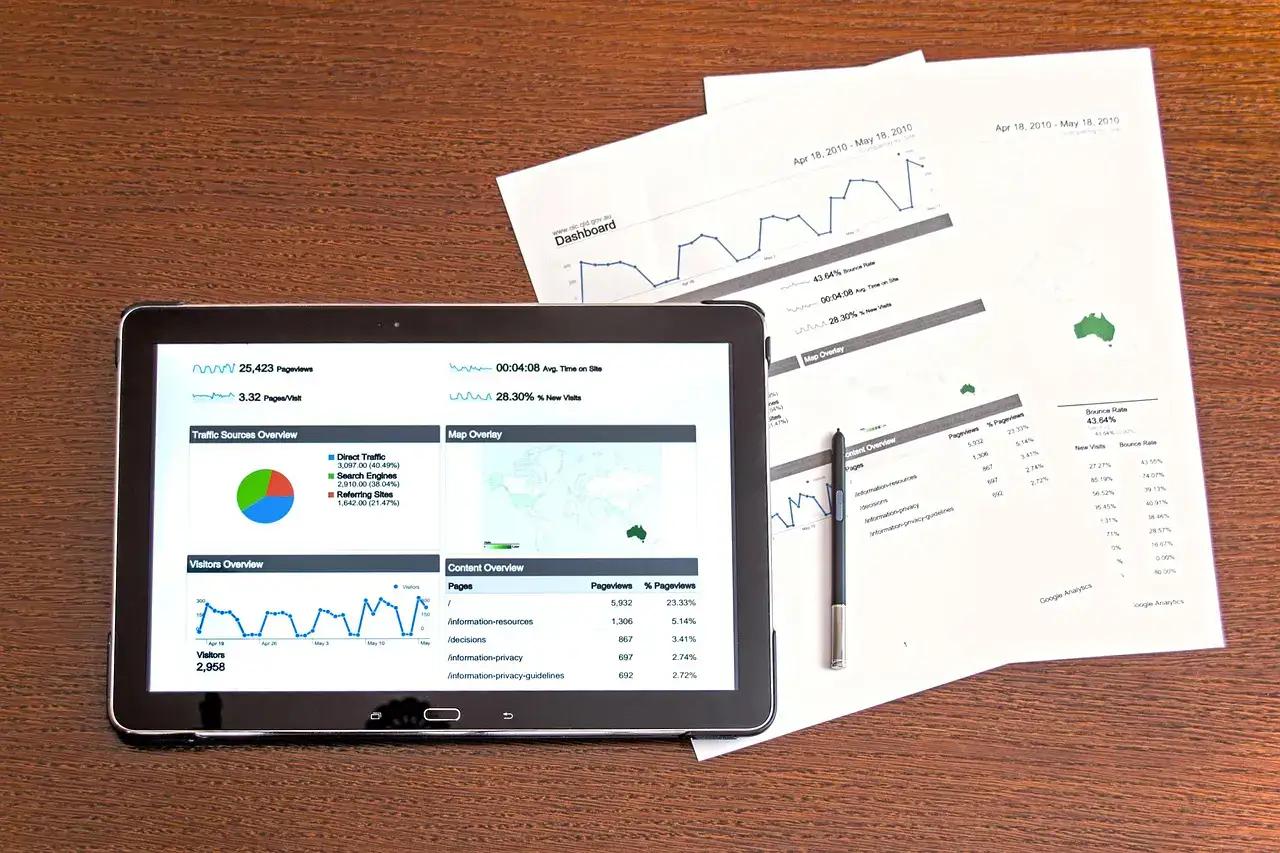
API integration lets real estate and proptech businesses move beyond isolated systems to achieve connected operations. Organizations are putting proptech API development and property management API integration to work in several important ways:
- Integrating MLS data into custom platforms for the most up-to-date listings, so users always see the latest information.
- Automating lead capture and follow-up with CRM integration for real estate, removing manual entry and speeding agent responses.
- Connecting property management systems with accounting and payment gateways to simplify rent collection and financial routines.
- Powering analytics dashboards by aggregating property, transaction, and client data for better decision-making.
- Enabling mobile apps for tenants, owners, and agents through unified backend APIs for smooth communication and on-demand services.
- Supporting virtual tour scheduling by syncing listing calendars, vendor availability, and client bookings.
- Launching loyalty or referral programs by linking CRM and marketing tools with property management or MLS data.
- Enriching property detail pages with public records or geolocation API data for improved transparency.
- Creating self-service portals for tenants, integrating maintenance requests, rent payments, and lease management.
- Automating regulatory and compliance reporting using real estate API integration to gather the right data for filings and audits.
Adopting these integrations, real estate software development teams and proptech API development projects deliver much more than efficiency, they lay a solid foundation for growth and innovation.
Types of Real Estate API Integrations
Each type of API integration meets a different business function or challenge in real estate. The table below outlines main types, typical use cases, and important considerations.
| Integration Type | Typical Use Case | Key Considerations |
|---|---|---|
| MLS API integration | Syncing property listings | Data freshness, compliance |
| Property management API integration | Rent collection, maintenance | Security, automation |
| CRM integration for real estate | Lead management, marketing | Workflow, customization |
| Payment gateway integration | Online payments | PCI compliance, reliability |
| Mapping and analytics APIs | Location insights, reporting | Data volume, visualization |
Choosing the right mix of integrations depends on your current systems, data needs, and desired user experiences. For example, companies managing large property portfolios often need advanced property management API integration, while brokerages emphasizing agent productivity prioritize CRM integration for real estate and streamlined MLS API integration.
The API Integration Development Process
A successful real estate software development project for API integration moves through several phases. Each step ensures business and technical goals are met while reducing risk. Here is how most proptech API development or real estate API integration projects unfold:
- Requirements Gathering and System Assessment: The team documents systems, data exchanged, workflows, compliance needs, and constraints. Early mapping of dependencies and data sources prevents surprises.
- Selecting Integration Approach: Decide whether to connect systems directly, use middleware, or build a custom API layer. This depends on platforms in use, flexibility, and future scalability.
- Designing Data Models and Mapping Fields: Technical leads define how data fields match between systems, handling differences in structure, format, and validation. Accurate mapping keeps information clean and consistent.
- Development and API Authentication Setup: Developers build integration logic, set up secure authentication like OAuth2, and connect to external endpoints.
- Testing for Data Accuracy and Security: Quality assurance includes manual and automated testing for data integrity, workflow validation, and security checks to identify weaknesses. This phase often involves specialized software testing services for API integrations.
- Deployment and Monitoring: After user testing, the integration goes live. Ongoing monitoring tracks flows, performance, and error rates for early issue detection.
- Ongoing Maintenance and Support: APIs and third-party systems change over time. The project team updates features, fixes bugs, and supports enhancements as platforms evolve.
Skilled real estate software development teams plan for each phase and use agile methods to adapt to changing business or technical demands.
Benefits of API Integration for Real Estate Platforms

APIs bring clear business and operational benefits to real estate platforms. Key advantages of real estate API integration, real estate data integration, and CRM integration for real estate include:
- Improved efficiency: Automation cuts repetitive tasks like data entry or report generation, freeing staff for client-focused work.
- Enhanced client experience: Integrations deliver real-time updates, faster responses, and easy access to information for clients and agents.
- Data-driven decisions: Centralizing data across platforms leads to better analytics, trend spotting, and performance reporting.
- Scalability: Well-designed APIs let companies add features, partners, or markets without overhauling core systems. This is especially true when leveraging cloud software development for scalable real estate platforms.
- Regulatory compliance: Integrations automate audit trails, reporting, and secure data exchange, meeting legal requirements.
- Reduced error risk: Automated data transfers prevent duplicate entries and reduce costly mistakes.
- Faster go-to-market: Quick connections with MLS, payment gateways, or analytics tools speed up new product or feature launches.
- Cost savings: Over time, automated workflows and fewer manual processes lower operational costs.
These benefits help proptech startups and established firms see strong returns by making API integration a top priority.
Challenges and Pitfalls in Real Estate API Projects
Despite the advantages, real estate API integration projects come with specific challenges. Anticipating these issues lets teams prepare solid strategies.
Data Standardization Issues
A common challenge is inconsistent data formats. MLS providers, property management tools, and third-party sources use different naming, structures, or coding. Integration projects require significant effort to normalize and map these details. Missing this step can delay rollouts or leave data incomplete.
Security and Compliance Risks
Real estate platforms process sensitive personal and financial data. Teams need strong authentication, encryption, and audit controls. Laws like CCPA, GDPR, and local rules require strict privacy handling. Failing on security can mean regulatory penalties and loss of client trust.
Legacy System Constraints
Many companies still use older software, sometimes lacking modern APIs or integration points. Connecting with these legacy systems, which remain core for some property management API integration and MLS connections, takes extra development or middleware to bridge technology gaps. This often requires custom API development services to handle unique challenges.
Ongoing Maintenance
APIs change as vendors update endpoints, retire features, or adjust data schemas. Reliable integration depends on proactive monitoring, regular testing, and prompt responses to vendor changes. Teams must budget for updates and keep close contact with third-party providers.
By planning for these obstacles, organizations increase the chances of building stable, long-lasting API-driven solutions.
Choosing the Right Technologies for Real Estate API Integration
Technology selection plays a major role in the success and maintainability of API integration projects. Key considerations and leading choices for 2026 include:
- Top development frameworks: Node.js for real-time apps, Python for flexibility and analytics.NET for enterprise environments, and Java for cross-platform deployments. Each supports mature libraries for proptech API development.
- Cloud platforms: Amazon Web Services (AWS), Microsoft Azure, and Google Cloud offer scalable deployment, security, and managed API services that simplify development.
- Proprietary middleware: Solutions like those from Zapier or MuleSoft accelerate standard connections, while custom development works best for unique business logic or advanced workflows.
- API documentation: High-quality resources, interactive portals, and code samples make maintenance and onboarding much easier.
- Vendor and community support: Strong support reduces risk and ensures compatibility as MLS, CRM, or property management systems update.
- Expert software consulting for proptech platforms can guide technology choices and integration strategies to maximize long-term value.
Focusing on these factors keeps integrations manageable and future-friendly as business requirements evolve.
Cost Considerations and Budget Planning
Planning a budget for real estate API integration requires knowing both development and ongoing support costs.
- Main cost drivers: The number of systems and endpoints, data volume, need for legacy support, and compliance depth (like PCI DSS or CCPA).
- Typical budgets: Mid-market custom API integration projects range from $30,000 to $150,000. Bespoke solutions or full-platform rebuilds can exceed this.
- Off-the-shelf connectors: Lower initial costs are possible but often lack future flexibility, sometimes requiring workarounds or later replacement.
- Ongoing costs: Maintenance, support contracts, and new features add recurring costs as APIs and integrations change.
- Partner selection: Working with experienced teams can cut expensive rework and speed up the project, improving ROI. Engaging custom software development services ensures tailored solutions that fit unique business needs.
Clear planning and open communication with both internal teams and software vendors are crucial for project success.
How Cubix Supports Real Estate API Integration Success
Cubix delivers real estate software development and proptech API development services tailored to the needs of mid-market real estate businesses.
End-to-End Integration Services
Cubix manages every phase of API integration, from early requirements and architecture through to smooth implementation and deployment. The team aligns each solution to a client’s business processes and goals.
Experience with MLS, CRM, and Property Management APIs
Cubix has a track record building MLS API integration, CRM integration for real estate, and advanced property management API integration. Past projects include automated data pipelines for brokerages, integrations with leading payment gateways, and connecting legacy management systems with analytics platforms. Their expertise in real estate app development ensures solutions that meet market demands.
Focus on Security and Compliance
Security and compliance are central to every Cubix engagement. Solutions meet or exceed US data protection standards with strong authentication, encryption, and audit logging. This ensures safe handling of client, transaction, and financial data.
Ongoing Support and Optimization
Cubix provides proactive support, continuous monitoring, and regular updates to keep integrations running smoothly as standards and requirements change. A dedicated client success team helps maintain optimized integrations over time.
Choosing Cubix as your partner for real estate API integration means your organization can innovate confidently, supported by a team focused on technical reliability and clear business results.
Optimize property management with custom API integration by Cubix.
Contact UsFrequently Asked Questions
1. What is real estate API integration and why is it important?
Real estate API integration connects software platforms like MLS, CRM, and property management systems. This automation improves data accuracy, helping real estate businesses work efficiently and provide better service.
2. How does MLS API integration work in real estate platforms?
MLS API integration syncs property listings and data from multiple listing services directly into your platform. Agents and clients always see the most current property information as a result.
3. What are common challenges in property management API integration?
Challenges include diverse data formats, security needs, and integrating with older property management software. Careful planning and robust API design can address these issues.
4. Which technologies are most used for real estate API projects in 2026?
Node.js, Python.NET, and Java are frequently used, along with cloud platforms like AWS and Azure. The best choice depends on your project needs and scalability goals.
5. How long does a typical real estate API integration project take?
Timelines depend on complexity, but most mid-market projects last 2 to 6 months. Factors include the number of systems and level of customization required.
6. What are the main benefits of CRM integration for real estate companies?
CRM integration automates lead capture, centralizes client data, and streamlines communication. This leads to quicker responses and improved sales results. Some companies also explore chatbot integration with CRM to enhance customer interaction.
7. How much does custom real estate API integration cost?
Costs vary with system complexity, data volume, and compliance needs. Mid-market projects often range from $30,000 to $150,000, plus ongoing support.
8. What security measures are needed for real estate data integration?
Strong encryption, secure authentication, and compliance with rules like GDPR and CCPA are essential. Regular audits and monitoring further protect sensitive data.
9. Can off-the-shelf API connectors meet all real estate integration needs?
Off-the-shelf connectors suit standard scenarios, but custom API development is needed for unique workflows or legacy system challenges.
10. Why choose Cubix for real estate API integration projects?
Cubix brings expertise in MLS, CRM, and property management API integration. The team emphasizes security, compliance, and ongoing support, delivering solutions tailored to real estate needs. Their portfolio includes CRM software examples in real life that demonstrate practical success.