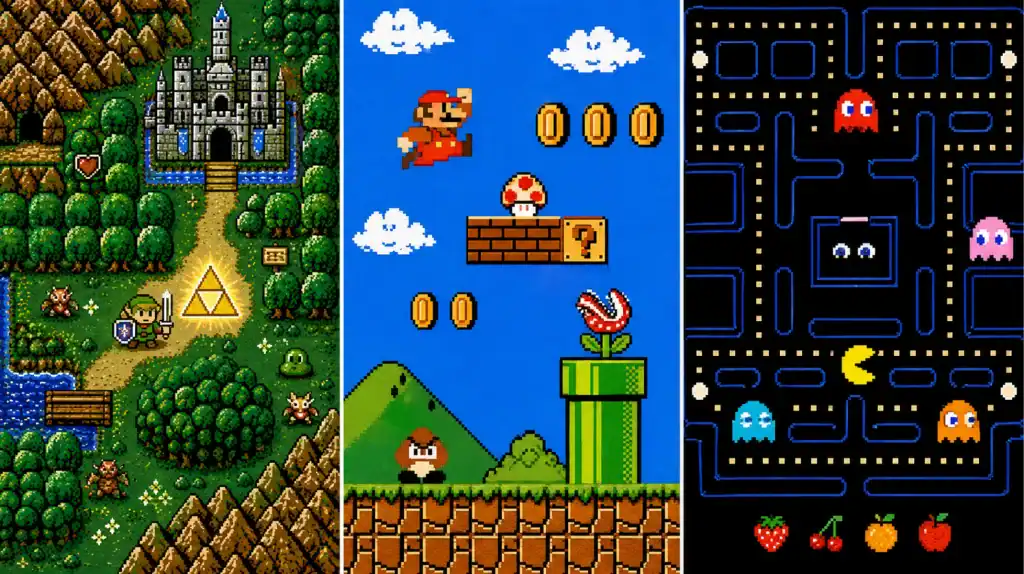
Key Takeaways
- Super Mario World (1990) set the benchmark for 2D platformers and remains a must-play retro classic in 2026.
- Our top 10 list covers arcade legends, console RPGs, and genre-defining classics.
- NES, SNES, Sega Genesis, and PS1 remain the most loved retro consoles.
- Remasters and mobile ports are keeping old classics alive on new devices.
- Studios like Cubix now help bring retro-style games to mobile, VR, and multiplayer platforms.
Imagine a game so good, it saved an entire industry from collapse. That is exactly what Super Mario Bros. did. It sold over 40 million copies worldwide. That number still stuns industry veterans today.
Fun fact: the original Mario was almost called “Jumpman.” Nintendo changed it before launch.
Modern gaming has plenty to offer, but revisiting a few retro games from time to time can be just as rewarding. Some of the greatest video games ever made were released decades ago, yet they remain enjoyable thanks to their timeless gameplay mechanics, memorable visuals, and availability across modern platforms.
Not every classic is a flawless 10/10, but that doesn’t mean they’re not worth playing. Some are underrated installments in popular franchises, while others are beloved titles that have aged remarkably well. Even in the crowded gaming landscape of 2026, these games still have enough charm and quality to compete with newer releases.
This blog ranks the best retro video games of all time. We cover consoles, RPGs, arcade classics, and even the worst offenders. We also show you where to buy retro games safely, how studios keep old classics alive today, and why companies like Cubix are part of this comeback story.
Want to discuss your project? Our experts are just a click away.
Contact UsWhat Counts as a “Retro” Game?
Retro games usually come from the 1970s to the early 2000s. Think Atari 2600, NES, SNES, Sega Genesis, and PlayStation. But age alone does not make a game retro.
A true retro classic changed something. It introduced a new genre. It fixed broken controls. It made players feel something new. That is what is the best retro gaming, really. It is games that still feel good to play, decades later.
These titles also share a certain rawness. Limited graphics forced developers to focus on gameplay first. That discipline is why so many retro games still hold up today.
Retro Gaming Timeline: A Quick Visual Journey
Before we rank the best games, here is a quick visual trip through the decades that built modern gaming.
From coin-op arcades to cartridge-based consoles, each decade added something new. The 70s gave us arcades. The 80s gave us home consoles. The 90s gave us RPGs and fighting games. The early 2000s gave us open worlds.
The Top 10 Best Retro Video Games of All Time
Here is our ranked list of the greatest retro games. Each one changed gaming in its own way.
| Rank | Game | Year | Console | Genre |
| 1 | Pong | 1972 | Arcade | Sports |
| 2 | Pac-Man | 1980 | Arcade | Maze Action |
| 3 | Super Mario Bros. | 1985 | NES | Platformer |
| 4 | The Legend of Zelda | 1986 | NES | Action-Adventure |
| 5 | Street Fighter II | 1991 | Arcade | Fighting |
| 6 | Super Metroid | 1994 | SNES | Metroidvania |
| 7 | Final Fantasy VII | 1997 | PlayStation | RPG |
| 8 | Ocarina of Time | 1998 | Nintendo 64 | Action-Adventure |
| 9 | Grand Theft Auto III | 2001 | PS2 | Open World |
| 10 | Chrono Trigger | 1995 | SNES | RPG |
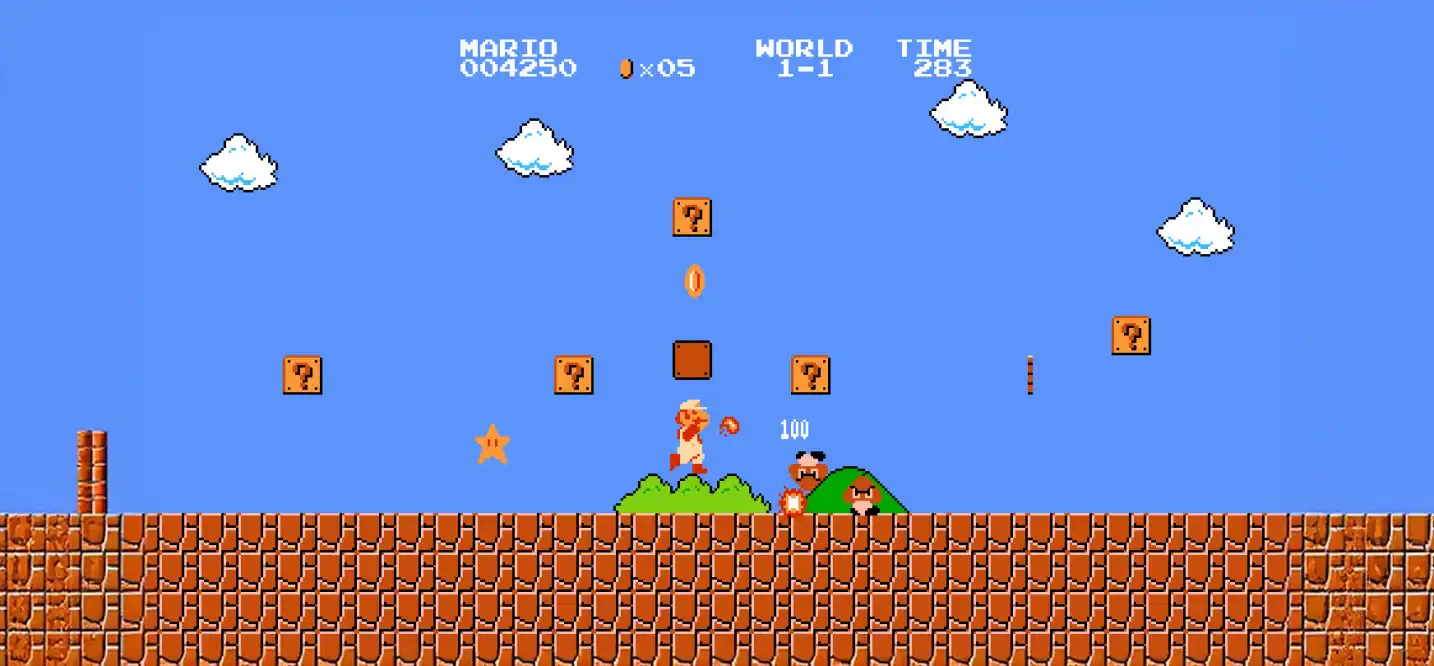
1. Super Mario World (1990)
Release: 1990
Developer: Nintendo
Original Platform: Super Nintendo Entertainment System (SNES)
Genre: Platformer
Best for: Platforming, level design, and replayability
Still holds up: Yes
Why It Made the List:
Super Mario World expanded the foundation established by earlier Mario games with a larger world map, secret routes, new power-ups, and Yoshi. Its levels give players reasons to explore rather than simply move from one goal to the next.
Why It Still Holds Up:
The controls remain precise and responsive, while the level design gradually introduces new mechanics without overwhelming the player. Secret exits and alternate routes also give experienced players reasons to return.
Why Play It in 2026?
If you want to understand why modern 2D platformers still borrow from classic Mario design, Super Mario World is one of the best places to start.
Developer Takeaway:
Good level design can teach players without interrupting the game. Super Mario World introduces mechanics through the environment and then builds on them as players progress.
2. The Legend of Zelda: Ocarina of Time (1998)
Release: 1998
Developer: Nintendo EAD
Original Platform: Nintendo 64
Genre: Action-adventure
Best for: 3D exploration and adventure
Still holds up: Yes, with some dated controls
Why It Made the List:
Ocarina of Time successfully translated Zelda’s exploration, combat, puzzles, and dungeon structure into 3D. Its targeting system also helped solve one of the major control challenges of early 3D action games.
Why It Still Holds Up:
Its world design and dungeon progression remain rewarding. The camera and controls can feel dated, but the underlying structure is remarkably clear.
Why Play It in 2026?
It remains valuable for anyone interested in how 3D adventure games evolved.
Developer Takeaway:
Moving a successful 2D formula into 3D requires more than adding another dimension. Interaction, camera behavior, targeting, and level structure all have to work together.
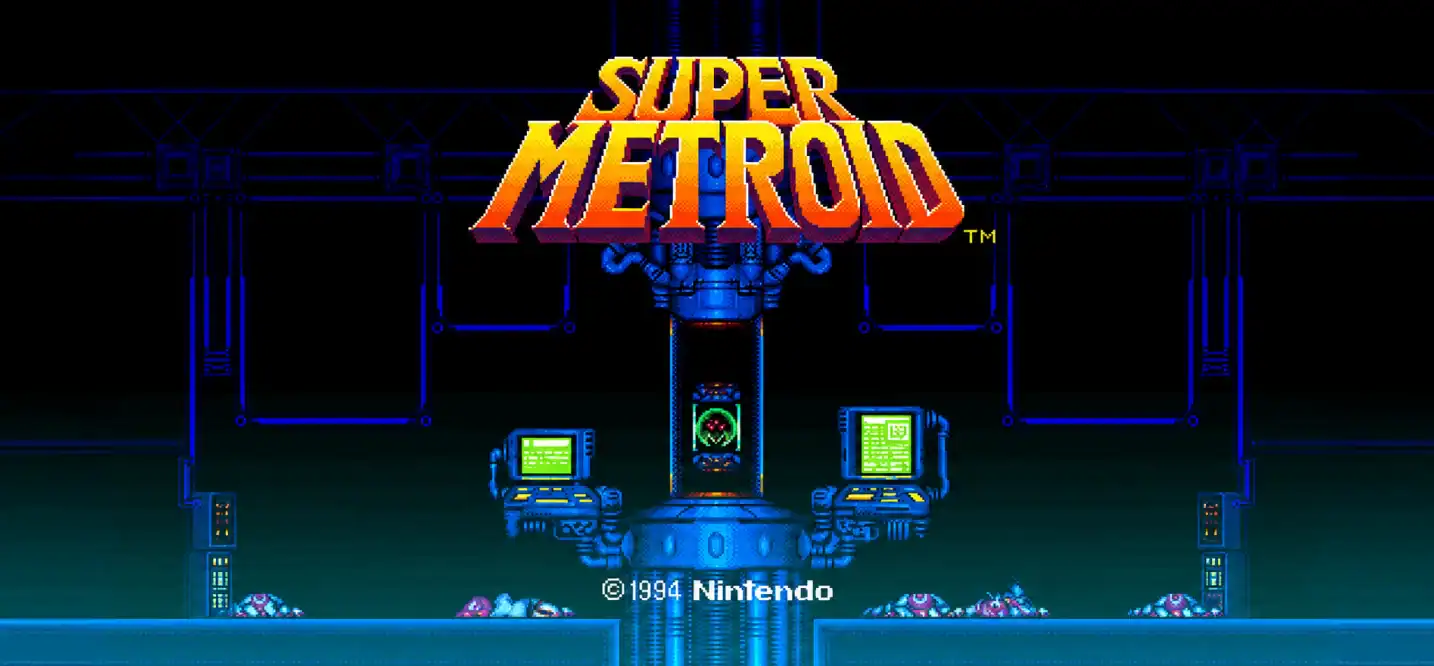
3. Super Metroid (1994)
Release: 1994
Developer: Nintendo R&D1
Original Platform: Super Nintendo Entertainment System
Genre: Action-adventure
Best for: Exploration and atmosphere
Still holds up: Yes
Why It Made the List:
Super Metroid built its experience around exploration, ability-based progression, and discovery. New equipment does more than make Samus stronger. It also opens previously inaccessible areas of the world.
Why It Still Holds Up:
The interconnected map gives exploration a real sense of purpose. Players remember locations they could not previously reach and can return later with new abilities.
Why Play It in 2026?
Its influence can still be seen across modern exploration-focused games, but the original remains rewarding on its own.
Developer Takeaway:
Progression can be embedded into the world itself. Giving players reasons to remember places and revisit them turns exploration into part of the reward.
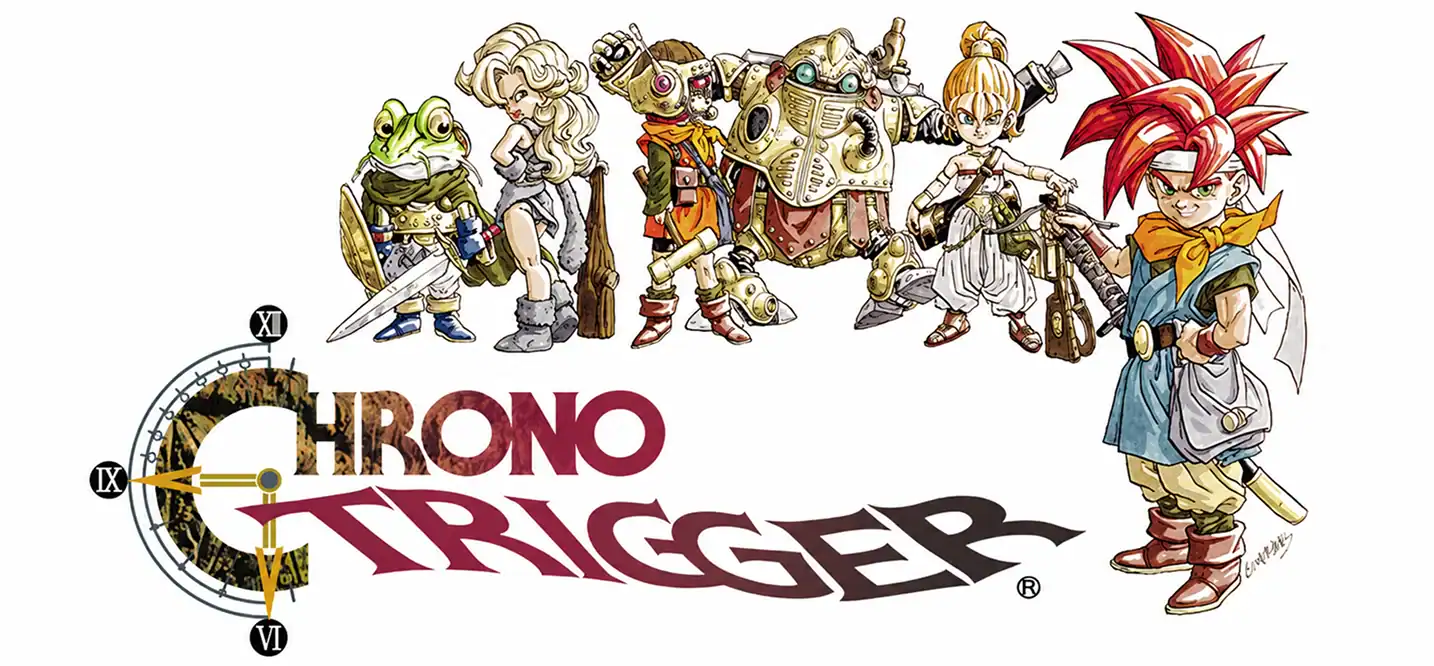
4. Chrono Trigger (1995)
Release: 1995
Developer: Square
Original Platform: Super Nintendo Entertainment System
Genre: RPG
Best for: Story, characters, and replayability
Still holds up: Yes
Why It Made the List:
Chrono Trigger combines time travel, character-driven storytelling, RPG combat, and multiple outcomes into a tightly structured adventure. Its story moves between different eras while giving players meaningful reasons to revisit the past and future.
Why It Still Holds Up:
Its pacing is one of its biggest strengths. The game keeps the story moving through varied locations, characters, and battles without relying heavily on repetitive grinding.
Why Play It in 2026?
Its combination of concise storytelling, memorable characters, and replayability makes it an accessible entry point into classic JRPGs.
Developer Takeaway:
A long game does not need to feel slow. Varied environments, meaningful progression, and strong pacing can keep a lengthy RPG moving forward.
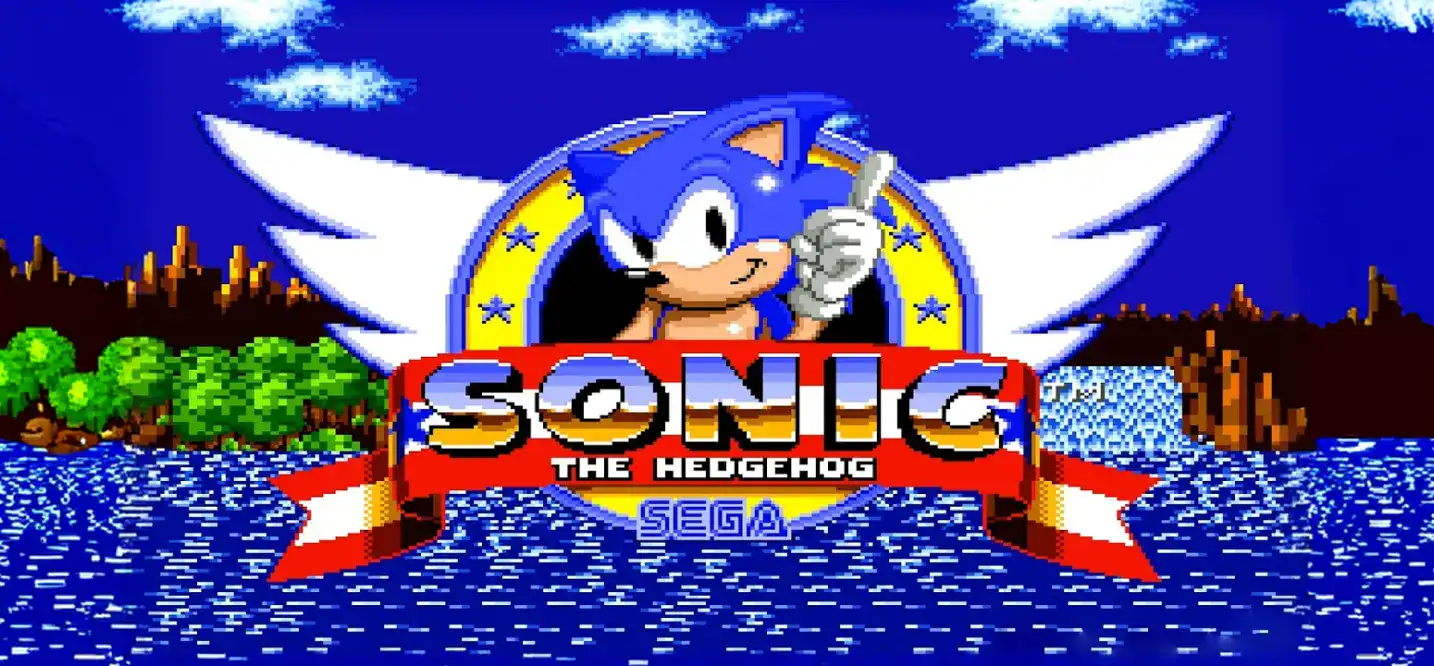
5. Sonic the Hedgehog (1991)
Release: 1991
Developer: Sonic Team
Original Platform: Sega Genesis
Genre: Platformer
Best for: Fast-paced platforming and replayable level routes
Still holds up: Yes
Why It Made the List
Sonic the Hedgehog took a different approach to 2D platforming. Speed, momentum, slopes, springs, loops, and multiple routes became central to the experience. Instead of simply moving from left to right at a steady pace, players learn to manage Sonic’s movement through increasingly complex environments.
Why It Still Holds Up
Its strongest levels reward players who learn their routes and understand how momentum affects movement. The visual identity and energetic presentation also helped establish Sonic as a major gaming character.
Why Play It in 2026?
It remains an interesting contrast to Mario and a useful example of how the same basic platforming concept can feel completely different when movement becomes the central mechanic.
Developer Takeaway
A defining mechanic should influence level design rather than exist in isolation. Sonic’s speed only works because the environments are designed around momentum, timing, and alternate routes.
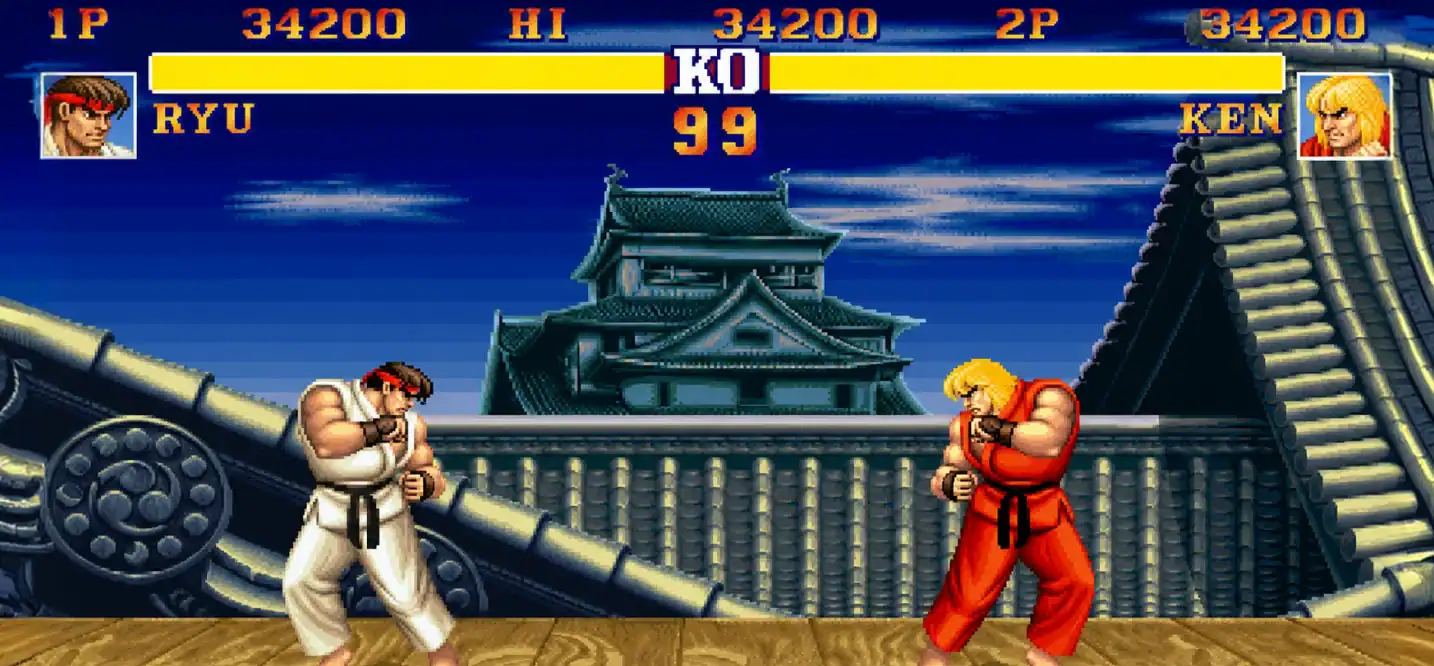
6. Street Fighter II (1991)
Release: 1991
Developer: Capcom
Original Platform: Arcade
Genre: Fighting
Best for: Competitive play and skill-based mastery
Still holds up: Yes
Why It Made the List:
Street Fighter II helped establish the modern fighting-game formula through distinct characters, special moves, competitive matches, and mechanics that rewarded both basic understanding and advanced mastery.
Why It Still Holds Up:
The basic concept is immediately understandable: select a fighter, learn their moves, read your opponent, and improve. Beneath that simplicity is considerable depth.
Why Play It in 2026?
It remains useful for understanding the design foundations behind modern competitive fighting games.
Developer Takeaway:
Accessible controls do not have to mean shallow gameplay. A small set of understandable actions can create significant depth when players can combine timing, positioning, prediction, and mastery.
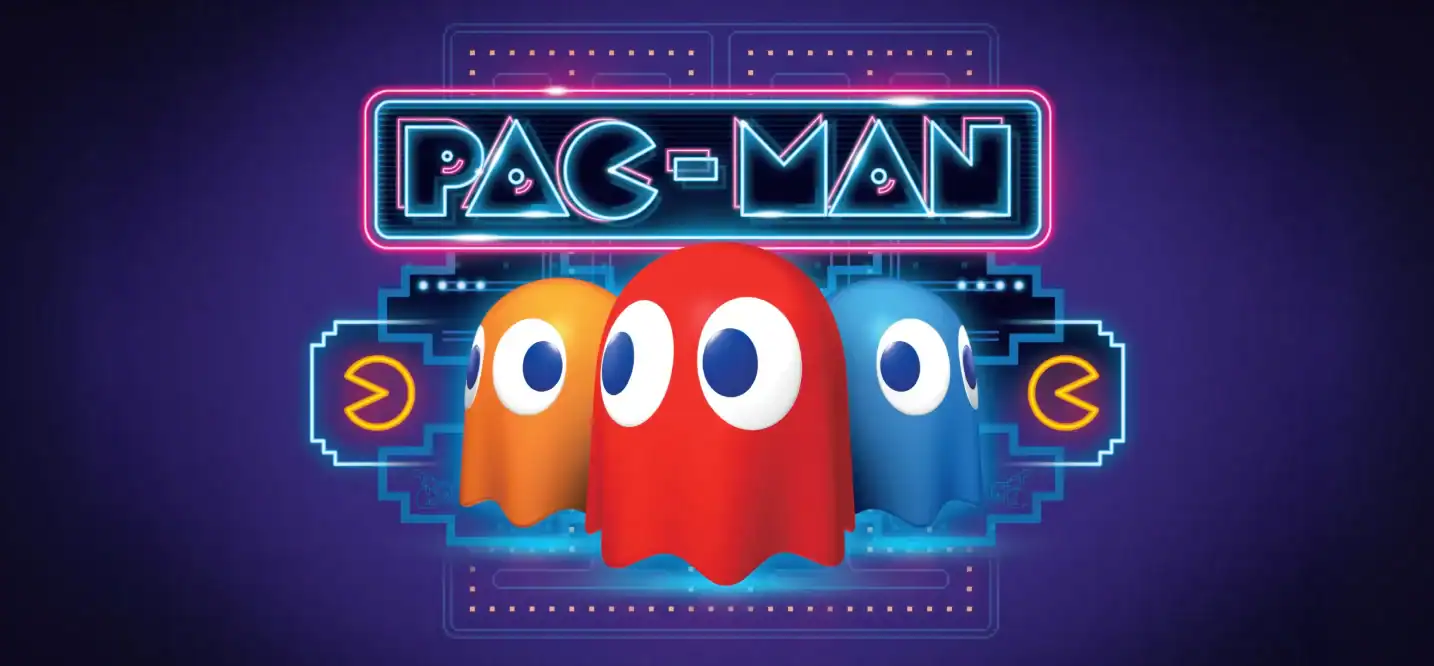
7. Pac-Man (1980)
Release: 1980
Developer: Namco
Original Platform: Arcade
Genre: Maze action
Best for: Quick sessions and score chasing
Still holds up: Yes
Why It Made the List:
Pac-Man reduces arcade gameplay to an immediately understandable loop: navigate a maze, collect items, avoid enemies, and take calculated risks when power-ups create an opportunity to fight back.
Why It Still Holds Up:
Its rules are easy to learn but difficult to master. Ghost behavior, route planning, and risk management give repeated sessions more depth than the simple premise suggests.
Why Play It in 2026?
A single session can take minutes, making it an easy classic to revisit without committing to a long campaign.
Developer Takeaway:
A simple core loop can produce surprising depth when different systems interact. Pac-Man does not need a complex progression system to give players reasons to keep improving.
8. Final Fantasy VII (1997)
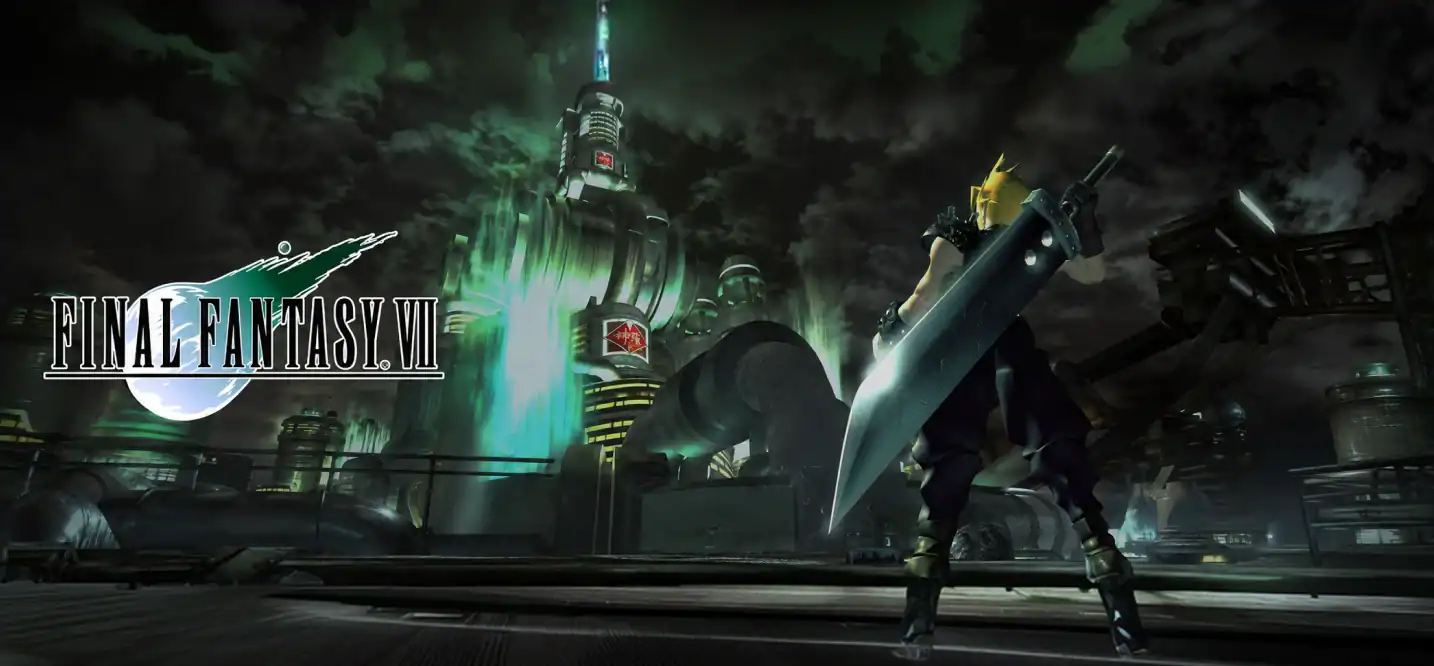
Release: 1997
Developer: Square
Original Platform: PlayStation
Genre: RPG
Best for: Story-driven RPGs and cinematic presentation
Still holds up: Mostly, although its original visuals and interface show their age
Why It Made the List:
Final Fantasy VII was a major milestone for console RPGs, combining 3D environments, cinematic presentation, a large narrative, memorable characters, and the Materia system.
Why It Still Holds Up:
Its strongest elements are the story, characters, world-building, and progression systems. The original visuals can look dated, but the game’s underlying RPG structure remains engaging.
Why Play It in 2026?
It offers useful context for understanding the transition from 2D RPGs to the cinematic 3D role-playing games that followed.
Developer Takeaway:
Technology works best when it supports a game’s creative goals. Final Fantasy VII used the move to 3D as a way to expand presentation and storytelling, not simply as a graphical upgrade.
9. EarthBound (1994)
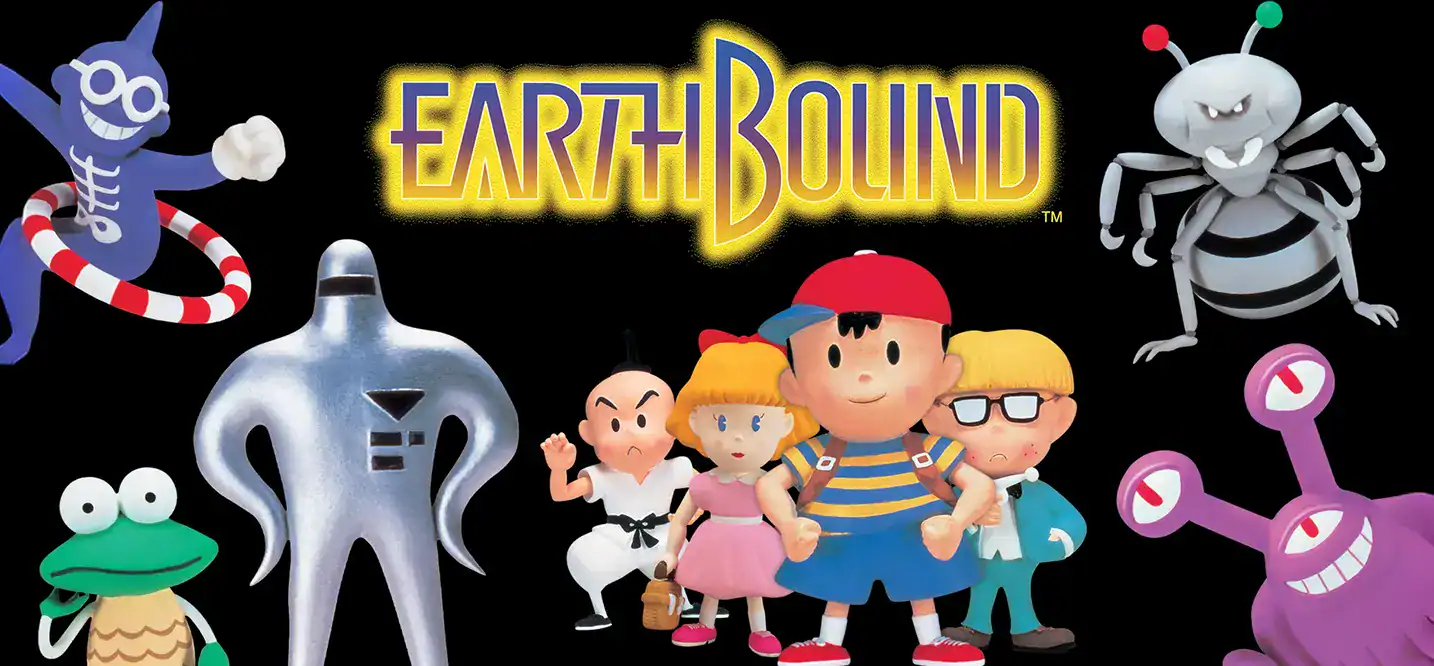
Release: 1994
Developer: Ape and HAL Laboratory
Original Platform: Super Nintendo Entertainment System (SNES)
Genre: RPG
Best for: Quirky storytelling and unconventional world-building
Still holds up: Yes
Why It Made the List
EarthBound stands apart from traditional fantasy RPGs through its contemporary setting, humor, unusual enemies, distinctive characters, and deliberately unconventional tone. Its approach helped give the game a strong identity that still separates it from other RPGs of its era.
Why It Still Holds Up
Its personality is one of its biggest strengths. The writing, humor, art direction, and setting work together to create an experience that feels different rather than simply nostalgic.
Why Play It in 2026?
EarthBound is particularly worthwhile for players who want a classic RPG that breaks from the traditional medieval fantasy formula.
Developer Takeaway
A strong creative identity can become a game’s biggest differentiator. EarthBound demonstrates how setting, humor, visual style, and writing can reinforce one another instead of functioning as separate layers.
10. Grand Theft Auto III (2001)
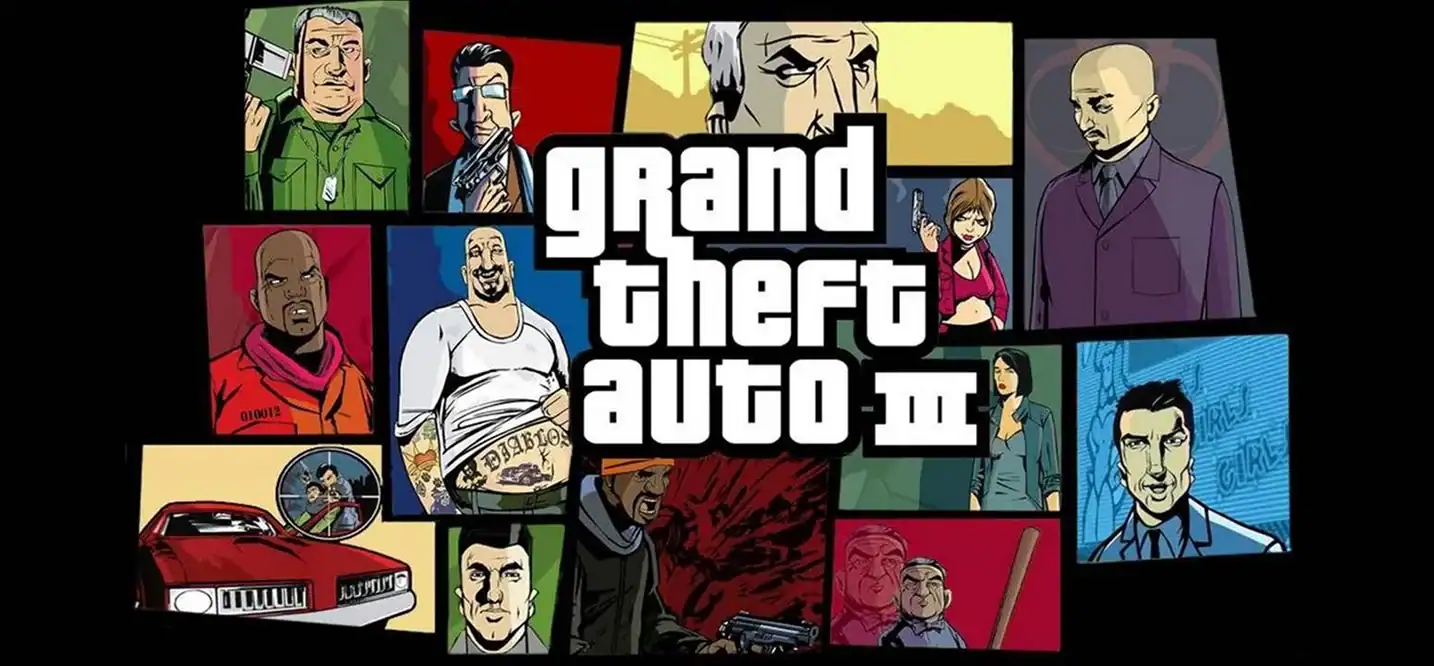
Release: 2001
Developer: DMA Design
Original Platform: PlayStation 2
Genre: Open-world action-adventure
Best for: Open-world exploration and emergent gameplay
Still holds up: Yes, although its controls and combat feel dated
Why It Made the List:
Grand Theft Auto III helped establish a highly influential template for fully 3D open-world games. Liberty City gave players freedom to move through a detailed environment while missions, vehicles, combat, and side activities created multiple ways to interact with the world.
Why It Still Holds Up:
Its strongest quality is still the sense of freedom. The original controls and combat are noticeably less refined than modern open-world games, but its world structure remains historically important.
Why Play It in 2026?
It is worth playing as both a game and a snapshot of the period when 3D open-world design became a dominant model for major releases.
Developer Takeaway:
An open world becomes more interesting when its systems interact. GTA III’s vehicles, missions, pedestrians, police, and physical environment create opportunities for players to produce their own stories beyond the main objectives.
Best Retro Games for Classic Home Consoles
Different consoles built different legacies. Here is how the top systems stack up.
| Console | Best Game | Why It Stands Out |
| NES | Super Mario Bros. | Perfected level design and controls |
| SNES | Chrono Trigger | Deep story, multiple endings |
| Sega Genesis | Sonic the Hedgehog | Fast, fluid platforming |
| PS1 | Final Fantasy VII | Cinematic storytelling in 3D |
The Sega Genesis alone sold over 30 million units worldwide. That number still surprises people who grew up on Nintendo. Fans of the best retro console games often debate NES versus SNES for hours. Both earned their place in gaming history.
Best Retro RPGs and Arcade Games Worth Revisiting
Two genres defined retro gaming more than any other. RPGs and arcade fighters.
For classic console role-playing games, start with Chrono Trigger, Final Fantasy VII, and Earthbound. These titles combined strong stories with turn-based combat that still feels satisfying.
For top rated arcade games, Street Fighter II leads the pack. Mortal Kombat and Metal Slug follow close behind. These retro fighting games and retro arcade video games still pull crowds at gaming expos.
Arcade cabinet sales have actually grown in recent years. Collectors want the real hardware, not just emulators. That demand is part of why the top-rated retro arcade games available for modern platforms keep getting re-released.
The Most Underrated (and Overrated) Retro Games
Not every classic gets the credit it deserves. And not every “legend” holds up.
ChatGPT said:
| Category | Game | Why |
| Underrated | EarthBound | Weird charm, small but loyal fanbase |
| Underrated | Ico | Quiet storytelling, often overlooked |
| Overrated | Some early 3D platformers | Clunky controls, aged poorly |
| Overrated | Certain licensed movie games | Rushed development, low quality |
What is the most underrated retro video game? Many fans say EarthBound. It never sold well at launch. But it built a cult following over time. Meanwhile, some of the worst retro video games of all time came from rushed movie tie-ins. Studios prioritized speed over quality.
If you want a broader ranking of critically acclaimed titles across gaming generations, check out this list of the best triple-A games. It shows how quality standards evolved from retro consoles to modern blockbusters.
Playing Retro Games Today: Remasters, Ports, and Streaming
You do not need old hardware anymore. Remasters bring classics to modern screens.
| Platform | Retro Titles Available | Typical Access Model |
| Nintendo Switch Online | NES and SNES library | Subscription |
| PlayStation Plus Premium | Classic PS1 and PS2 titles | Subscription |
| Steam | Various remastered classics | One-time purchase |
| Mobile app stores | Retro-inspired ports | Free or paid download |
Subscription services for streaming retro titles have grown fast. Over 60 percent of retro gamers now play through some kind of subscription service rather than original hardware. That shift changes how studios approach remasters.
Games like the Skyrim series show how re-releases can extend a game’s life for over a decade. You can compare two popular versions in our breakdown of the Skyrim Special Edition versus Anniversary Edition.
This is where studios like Cubix come in. Cubix works with teams looking to rebuild classic mechanics using modern engines, keeping the original feel intact while improving performance and reach.
Collecting Retro Games: Where to Buy and What to Know
Buying retro games safely takes some care. Fakes and damaged cartridges are common.
| Marketplace Type | Best For | What to Check First |
| Specialty retro stores | Verified, tested hardware | Return policy, warranty |
| Online marketplaces | Rare or hard-to-find titles | Seller ratings, photos |
| Refurbished system sellers | Working consoles at fair prices | Refurbishment details |
| Local game shops | In-person testing | Cartridge condition |
Where can you buy authentic retro video games online? Stick to sellers with verified ratings and clear return policies. For refurbished early generation gaming systems, look for sellers who test every unit before shipping.
If you are searching for stores specializing in retro video games near you, local game shops are often better than big-box retailers. They usually test cartridges before selling them. This matters, since retro video game collection values have risen sharply. Some vintage games now sell for hundreds, even thousands of dollars.
From Pac-Man to Mobile: A Cubix Case Study
A real project can show what this balance looks like in practice. Cubix’s Likeman is a mobile maze-action game designed around the appeal of classic Pac-Man-style gameplay while introducing modern social and competitive features.
Developed for a client in France, Likeman was built using Unity and C# over a one-year development period. The game combines maze-based gameplay with power-ups, social sharing, score competition, and multiplayer chase levels. Cubix’s Likeman case study
What the Case Study Teaches Modern Developers
Likeman highlights a broader principle for retro-inspired game development:
Preserve the experience players recognize, not necessarily every limitation of the original.
That can mean keeping the core mechanic while changing the surrounding systems.
- Identify the Core: Determine which mechanic or interaction makes the original concept compelling.
- Modernize the Right Elements: Update controls, performance, interfaces, or connectivity where modern hardware and player expectations require it.
- Give Players New Reasons to Return: Social features, progression, multiplayer, challenges, or new game modes can extend a familiar gameplay loop.
- Respect the Visual Identity: Retro aesthetics can be part of a game’s appeal, but they should work alongside modern usability and performance.
- Design for the Target Platform: A game built for an arcade cabinet cannot simply be transferred to a touchscreen without reconsidering how players interact with it.
The same thinking applies beyond mobile. A retro-inspired game designed for PC, consoles, VR, or online multiplayer may preserve the same underlying idea while requiring very different controls, interfaces, and technical architecture.
The goal is not to make a modern game look old. It is to understand why an older game worked and determine how that experience can make sense for today’s players.
Which Studios Produce the Best Retro Remasters and Collections?
Companies that produce high-quality retro game collections usually share a few traits. They preserve original mechanics. They upgrade visuals without losing charm. They test extensively before release.
This is exactly the kind of work a modern game development studio focuses on. Cubix has built a reputation for balancing nostalgia with modern polish. Their teams understand what made these old games special in the first place.
For a broader look at who is leading this space, our guide to the top 10 best console game development companies breaks down studios doing standout remaster work.
Mobile downloads of retro-inspired games have grown by double digits year over year. That trend is pushing more studios into this space, including teams that specialize in 2D and mobile development.
Why Cubix Is a Trusted Name in Reviving Retro Gaming
Cubix has spent years helping studios and publishers bring old-school gameplay into new formats. Their approach blends respect for legacy design with current technology.
A big part of this work involves 2D game development services. Retro games rely heavily on pixel art, tight animation, and precise hitboxes. Getting these right takes real craft, not shortcuts. Cubix’s art and engineering teams focus on exactly that kind of detail work.
Cubix also builds for mobile, where much of the retro revival is happening. As a mobile game development company, they help bring classic-style games to phones without losing the feel that made them great. Touch controls need careful redesign to match the tight feedback of a physical controller.
Multiplayer is another growing area. Many retro classics were built around local co-op or head-to-head play. Bringing that experience online requires solid infrastructure. Cubix’s Multiplayer Game Development Services help studios rebuild that social, competitive spirit for today’s connected players.
Around 45 percent of retro-inspired mobile games now include some form of multiplayer mode. That number keeps climbing as players look for shared nostalgia, not just solo play.
Want to Build a Retro-Inspired Game?
Have a classic game concept in mind, or want to create something new with a retro feel?
Cubix can help take the idea from game design and prototyping through development and launch, including 2D, mobile, multiplayer, and VR game development.
Want to discuss your project? Our experts are just a click away.
Contact UsFrequently Asked Questions
1. What are the best retro video games of all time?
Titles like Super Mario Bros., The Legend of Zelda, Street Fighter II, and Final Fantasy VII are widely considered the best. They defined genres that still shape gaming today.
2. What are the worst retro video games of all time?
Many rushed movie tie-in games from the 80s and 90s rank among the worst. Poor controls and short development timelines hurt their quality.
3. What is the best retro gaming experience today?
Playing through official subscription services or verified remasters gives the most authentic feel, without the risk of damaged old hardware.
4. Where can I buy authentic retro video games online?
Look for sellers with verified ratings, clear photos, and solid return policies. Specialty retro stores are usually safer than general marketplaces.
5. Are old popular games still worth playing in 2026?
Yes. Many retro games hold up because they focus on strong core gameplay rather than flashy extras. That design philosophy still resonates with players today.