Key Takeaways
- Building an in-house AI team requires a greater upfront investment, including recruiting and infrastructure costs.
- Outsourced AI development adapts to shifting business needs and gives access to a wider range of specialized talent.
- Hidden costs such as long-term maintenance, compliance, and hiring challenges are often overlooked in both models.
- Hybrid AI models combine in-house leadership with external expertise, balancing control, speed, and cost management.
- A thorough AI development budget should account for immediate and future costs, including the potential for scaling or changing direction.
Deciding between building an in-house AI team or outsourcing AI development is a pivotal strategic and financial choice for businesses across industries. As of 2026, demand for AI solutions is accelerating, with global AI spending projected to hit $2.7 trillion this year. Many organizations underestimate the true scope of expenses, which go far beyond salaries to include infrastructure, ongoing upkeep, and costly staff turnover. This article breaks down the numbers with a direct AI development cost comparison between in-house and outsourced options. You’ll get transparent breakdowns, insights into hidden costs, and practical steps for smart budgeting, helping you choose the AI investment strategy that fits your business goals.
Build scalable custom software today. Transform your business with Cubix
Contact Us
Cost Breakdown: In-House AI Team vs Outsourced AI Development
When facing the “in-house vs outsourced AI development” decision, it’s important to understand where the primary expenses occur. In 2026, with the global artificial intelligence market valued at $390.9 billion last year and expected to surge to $3.5 trillion by 2033, competition for talent and vendor services continues to impact prices across all categories.
Here’s a side-by-side AI development cost comparison showing both direct and indirect costs for each model:
| Cost Category | In-House AI Development Cost | AI Outsourcing Cost |
|---|---|---|
| Salaries & Benefits | High: Data Scientists ($120-220K/yr), AI Engineers ($140-250K/yr), plus benefits | Included in vendor quote; usually lower per-project |
| Recruitment & Hiring | Substantial: Headhunter fees, interview time, onboarding delays | Usually minimal or included in vendor setup fees |
| Infrastructure | Significant: Secure servers, GPUs ($50-200K+), licenses, workspace | Cloud resources and infra bundled, billed as used or wrapped into fixed pricing |
| Training & Upskilling | Ongoing: Courses, certifications, conference travel | Vendor retains or trains own specialists; cost not billed separately |
| Project Management | Internal PM salaries ($80-150K/yr) and tool costs | PM usually included in vendor fee, sometimes additional for larger projects |
| Vendor Fees | Rare for pure in-house | Core expense: fixed, by hour, or milestone-based |
| Flexibility & Scalability | Slow: Expanding or reducing team takes months | Fast: Scale up or down for project needs in days or weeks |
| Risk of Turnover | High: Churn disrupts projects and incurs repeated hiring cost | Vendor absorbs talent churn; lower business impact |
In-house AI development cost drivers often center on large initial investments, especially for recruiting, ongoing salaries, and infrastructure. These fixed costs are compounded by hidden expenses like extended hiring times and upgrading specialized equipment.
By contrast, AI outsourcing cost structures provide more flexibility and tie spending to actual business needs, with clear pricing. Rather than facing the unpredictability of tech hiring, companies pay set fees for vendor services that usually bundle infrastructure, project management, and much of the risk.
Rapid AI market growth affects both models. As companies aim to build their AI capabilities, fierce competition for skilled roles drives up salaries and in-house AI development cost, while increasing risk. At the same time, strong demand allows vendors to raise prices, particularly for expertise and end-to-end project delivery. When evaluating in-house AI development vs outsourcing, remember that these trends will likely maintain high prices and stiff competition for years to come.
What Drives In-House AI Development Costs?
Several main factors drive up in-house AI development cost, making it pricier than many expect. These are the key contributors:
- Recruitment and Onboarding: Attracting top AI talent means paying recruiters, investing in employer branding, offering signing bonuses, and investing significant time in onboarding. Each new hire can cost tens of thousands.
- Salaries and Benefits: AI professionals are among the highest paid. Data scientists and AI engineers earn $120,000-$250,000 per year, before factoring in benefits, bonuses, or equity.
- Ongoing Training: Rapid changes in AI require regular upskilling. Companies must fund certifications, conferences, and internal training.
- Internal Infrastructure: Setting up secure, scalable AI environments involves buying GPU servers, high-speed storage, and specialized cloud tools, requiring both upfront and ongoing investment.
- Retention and Knowledge Management: Retaining skilled employees is a constant challenge. Losing a team member can lead to delays, knowledge loss, and rehiring costs.
- Organizational Overhead: Supporting an internal AI team adds HR, IT, and office expenses every month.
- Market Volatility: The tech workforce is facing rapid changes as AI automates roles. In Q1 2026, almost 78,557 tech workers were laid off, with 47.9% of those job losses linked to AI and automation. This volatility causes unpredictable wage changes and sudden needs for reskilling, complicating workforce planning.
- Talent Competition: Ongoing growth in AI means more aggressive offers for top candidates, driving compensation higher and making it difficult for smaller companies to compete.
Every one of these “AI team hiring costs” needs to be built into a realistic AI development budget. The combined effect can be significant: even a single resignation or sudden hiring freeze pushes schedules and costs beyond what was planned. While building an AI team brings control and unique knowledge, it also means shouldering relentless technical and staffing pressures in an increasingly tough labor market.
Outsourcing AI Development: Pricing Models and What They Include
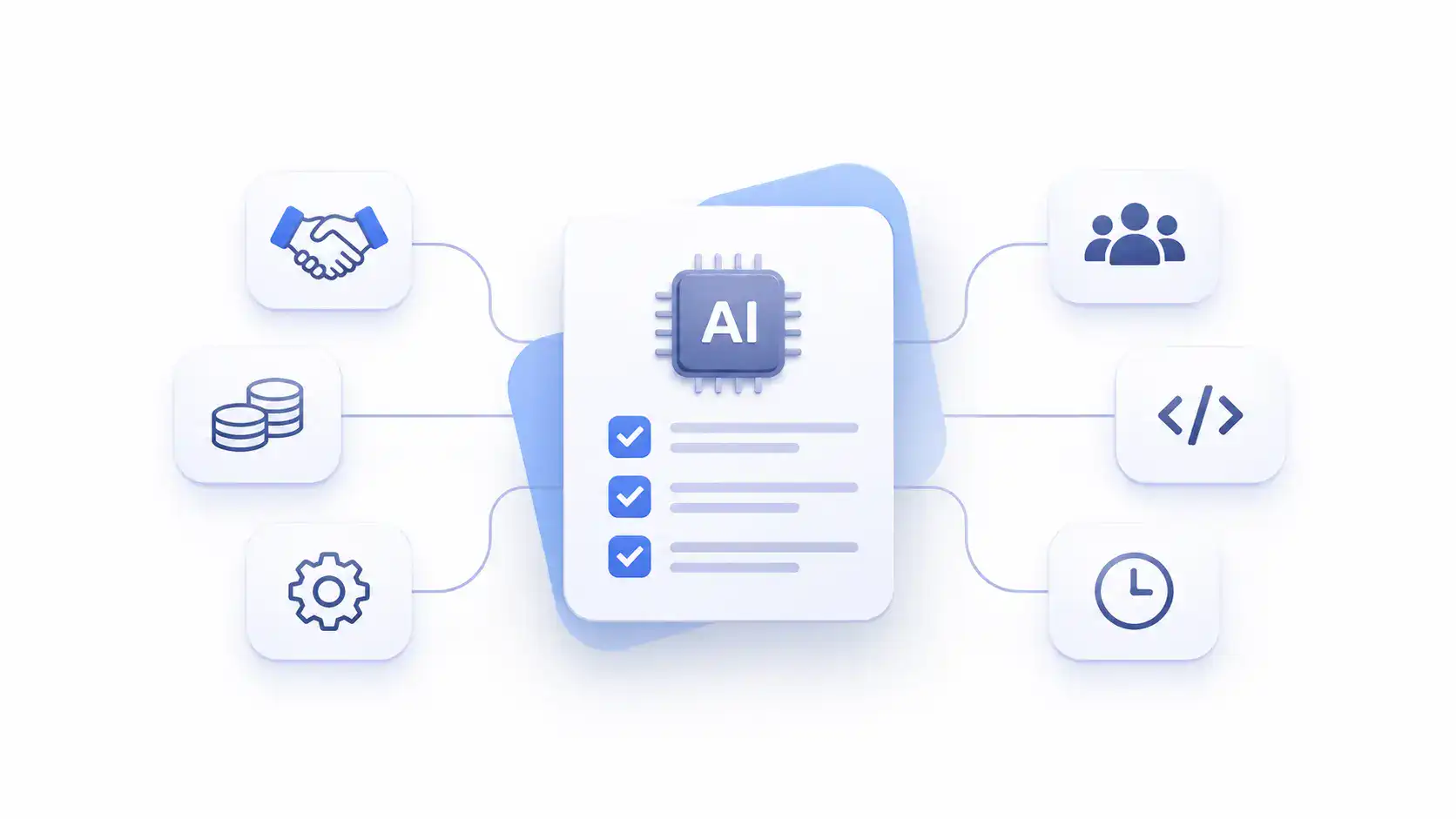
Outsourcing AI development opens up several pricing models, each with its own benefits, risks, and effects on the final AI outsourcing cost. Understanding what you’re actually paying for is crucial when comparing “AI development outsourcing pricing” to in-house options.
Fixed-Price Contracts
These contracts lock in a set cost and scope for a defined project. They work best for smaller, clearly defined projects. Budgets are predictable, but changes can trigger extra charges or renegotiations. This model suits pilot projects or proofs of concept but may not adapt well to evolving needs.
Time and Materials
You pay for the hours and resources consumed on your project. This model fits projects with shifting requirements or uncertain paths. Costs are transparent but can increase quickly if projects are not tightly controlled. Hourly rates depend on the vendor’s expertise, and billing is usually weekly or monthly.
Dedicated Teams
This approach provides you with a group of vendor-side engineers, scientists, and managers for a set monthly cost. It operates like in-house hiring but offers more flexibility, letting you expand or contract your team as needed. This model works well when you want to retain core knowledge but lack the resources for internal hiring.
Performance-Based Pricing
Here, fees depend on achieving specific results, like model accuracy or business KPIs. This model reduces your upfront risk but can involve higher base prices or complex contract terms. It’s most common in established vendor relationships with strong trust.
Most “AI outsourcing pricing models” include discovery, main development, quality assurance, and some ongoing support. As Gartner projects enterprises will spend $1.2 trillion on AI services by 2030, vendors are adding modular options like post-launch optimization and specialized support. With so many choices, companies must examine contracts closely to find the best fit.
Total Cost of Ownership in AI Development
Planning any AI project means looking beyond the headline price to the “AI development total cost of ownership,” which covers every stage of the project lifecycle.
Infrastructure: AI projects require serious spending on hardware, cloud storage, and computing. Costs rise as data and model complexity increase. Gartner expects $401 billion will be spent on AI infrastructure this year as more businesses build their technology foundations.
Maintenance: Once live, AI systems need regular monitoring, ongoing retraining, bug fixes, and improvements. Maintenance often runs 15-25% of the original build cost each year and must be included in your planning.
Integration: Linking new AI with legacy systems or third-party tools can bring extra costs, including API licenses, middleware, and outside consultants. The more complex your IT, the higher these costs.
Hidden Costs: Regulatory compliance, such as GDPR or CCPA, along with data security and vulnerability testing, are essential. Technical debt, caused by cutting corners early, can drive up costs later. Many businesses miss these items until late in the project, causing budget overruns.
Considering every cost layer upfront turns your AI development cost comparison into a more accurate and defensible investment plan, preventing future surprises.
Hidden and Indirect Costs: What Most Budgets Miss
Most organizations focus their “AI development budget” on visible expenses like salaries or vendor fees, often missing the multiplying impact of hidden or indirect costs. These can dramatically affect the true price of an AI project.
- Recruitment and onboarding delays can drag out timelines, boosting costs for both in-house and outsourced projects.
- Infrastructure upgrades are rising sharply. Gartner expects spending on AI-optimized servers to triple in five years as these demands outpace traditional equipment.
- Vendor management takes time for negotiations, communication, and overseeing work. Disagreements or project pivots can lead to extra costs, increasing “AI development maintenance costs” if timelines extend or new deals are required.
- Data preparation, cleaning, and labeling are massive and frequently underestimated. These tasks are vital and can double project timelines and budgets if not properly planned.
- Sudden project scope changes or scaling up without preparation often lead to unexpected costs, especially if a company lacks strong change management processes.
These “hidden costs of AI development” make it clear that only realistic, thorough planning can keep projects within budget from start to finish.
Hybrid AI Teams: Combining Internal and External Expertise
As AI adoption accelerates, more organizations are forming a “hybrid AI development team” to balance in-house strengths with external know-how. This approach meets the needs for speed, specialized skills, and easier scaling.
Typical Hybrid Team Structures
Hybrid setups typically pair internal project leaders or product managers with outside experts for data science, engineering, or integration. This might mean your AI lead works side by side with a dedicated team from an agency, or your core team brings in specialist contractors for certain stages.
When Hybrid Makes Sense
Hybrid models are ideal for companies deciding whether to “build an AI team vs outsource” completely. You can keep sensitive data or key algorithms internal to protect your intellectual property, while outside experts handle rapid prototyping or fill urgent skill gaps.
Cost Implications of Hybrid Teams
Hybrid teams can manage risks and share knowledge efficiently, but require careful budgeting. Internal leaders reduce communication risk, while external partners speed up delivery. By 2026, AI-assisted tools are shortening build times, with some companies deploying code every day and reducing overhead. These improvements can balance out the extra costs of managing multiple teams, making hybrid a smart, flexible option.
Budgeting for AI Development: Practical Steps and Pitfalls
AI project budgets in 2026 are more complex than ever, due to new solutions and hidden risks. Careful planning is the key to avoiding overruns and getting the most from your “cost of building an AI team” or outsourcing.
- Define the Project Scope and Objectives: Clearly outline the business challenge and your AI goals. Without a firm scope, cost estimates will be off the mark.
- Estimate Direct Costs: For in-house, factor in salaries, recruiting, equipment, and overhead. For outsourcing, get detailed vendor quotes for the deliverables.
- Identify Indirect and Ongoing Expenses: Include “AI development maintenance costs,” cloud usage, compliance, and support contracts in your AI development budget.
- Build Contingency for Hidden Costs: Reserve 10-20% extra for surprises like new business needs or regulations, especially those tied to “AI team hiring costs.”
- Review and Iterate Constantly: AI projects often evolve. Revisit your budget at milestones to adjust for lessons learned and shifting expenses.
With worldwide AI spending reaching an estimated $2.7 trillion in 2026, careful and adaptive budgeting is more important than ever. Regular revisions and methodical planning allow for a more accurate “AI development cost comparison.”
AI Maintenance and Long-Term Support Costs
Maintenance and support after launch are often overlooked in the “AI development total cost of ownership,” yet they represent a substantial ongoing investment.
- AI models need frequent retraining to keep up with changing data, especially in fast-moving industries.
- Bug fixes and support address issues that emerge after launch and adapt to business needs.
- Adding features and workflow changes require ongoing developer work and sometimes new investments.
- In-house teams manage these tasks internally, leading to set but sometimes high monthly costs for skilled engineers.
- Outsourcing support can mean variable costs, billed as monthly retainers or per incident. Outsourced teams may react faster but often lack full familiarity with your systems or proprietary data.
- Solid planning for post-launch support reduces risk and ensures ongoing value from your AI solution.
- Over time, these recurring costs usually run 15-25% of initial development costs per year, although they can drop as teams refine processes or automate key tasks.
How Cubix Delivers Value in AI Development Cost Management
Cubix recognizes that clients need clarity in pricing and flexible engagement to control “AI development outsourcing pricing” and to maximize both outsourcing and hybrid models. Here’s what sets Cubix apart:
- Cubix offers transparent “AI outsourcing pricing models,” so clients always know what’s included and can adjust services as needs shift.
- In real client projects, Cubix has enabled significant cost savings. By blending internal and external resources, Cubix helps companies find the right balance between “in-house AI development vs outsourcing.”
- The Cubix team uses advanced AI-assisted tools, from automated code to smart testing, to speed up delivery and cut project costs.
- Whether you need full-service outsourcing or a “hybrid AI development team,” Cubix can integrate with your internal staff as a true partner, accelerating delivery and controlling total spend.
- For a deeper understanding of the strategic choice between internal and external development, Cubix provides extensive insights in their in-house vs outsourced software development resource.
With these advantages, Cubix helps organizations deliver AI projects at scale, always maintaining clarity and adaptability in the budget.
Keep players engaged with scalable LiveOps strategies
Contact Us
Frequently Asked Questions
1. Is outsourcing AI development cheaper than building an in-house team?
Outsourcing is usually more cost-effective for short-term or specialized projects, while in-house teams may work better for ongoing, evolving needs.
2. How much does it cost to build an in-house AI team?
Building an in-house AI team can range from several hundred thousand to millions annually, based on team size, skills, and location.
3. What costs should an AI outsourcing quote include?
A comprehensive quote should cover development, project management, quality assurance, infrastructure, support, and post-launch maintenance.
4. What are the hidden costs of outsourced AI development?
Hidden expenses can include vendor management, integration, data migration, and change requests not covered by the initial agreement. These are similar to the hidden costs in software development that many companies overlook.
5. How do you calculate the total cost of AI development?
Total cost includes direct spending (such as salaries and vendor fees), infrastructure, ongoing maintenance, and indirect costs like compliance and training.
6. When does an in-house AI team make financial sense?
An in-house team is best for organizations with sustained, evolving AI needs and the resources to keep top talent. For guidance on building such teams, see how to build a team for app development.
7. What is a hybrid AI development model?
A hybrid model mixes internal staff with external partners, combining control with access to specialized expertise.
8. How much does AI maintenance cost after launch?
Maintenance typically runs 15-25% of initial development costs each year, though this varies by project.
9. Who pays for cloud infrastructure and model APIs when outsourcing?
The contract should spell out responsibility for infrastructure and APIs; sometimes they’re included, other times billed separately.
10. How do you compare an agency quote with internal staffing costs?
Compare all direct and indirect expenses, salaries, benefits, overhead, and long-term support, not just the main rates. For more on this, see the cost to outsource software development guide.