Key Takeaways
- A high-fidelity remake of a game like Ocarina of Time could require roughly $40M–$80M in development costs.
- The budget depends heavily on scope, including 3D environments, characters, animation, gameplay systems, cinematics, and QA.
- Team size and production time can significantly affect the total cost of a remake.
- A remake can cost substantially more than a remaster when core assets, systems, and technology must be rebuilt.
- Modernizing a classic requires balancing updated visuals, controls, and features with the original game’s identity.
- Clear scope definition, pre-production, and workstream-based estimates can help prevent costly budget overruns.
Few games have influenced 3D action-adventure design as much as The Legend of Zelda: Ocarina of Time. Released in 1998, Nintendo’s classic helped establish systems such as lock-on combat, contextual actions, 3D exploration, puzzle-driven dungeons, and cinematic storytelling as foundations of the genre.
Now, the game is being rebuilt for a modern audience.
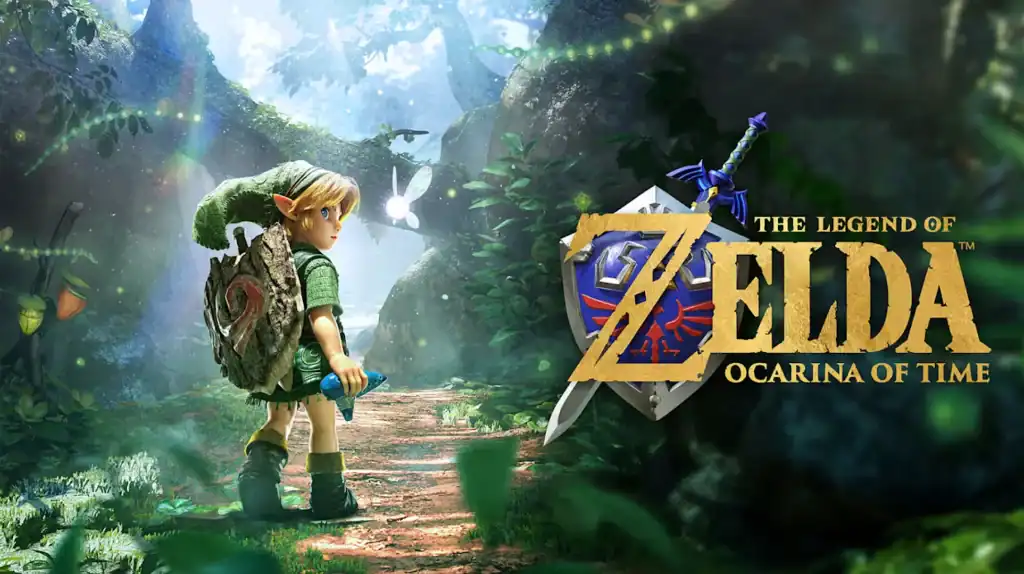
Nintendo’s upcoming The Legend of Zelda: Ocarina of Time for Nintendo Switch 2 is scheduled for November 5, 2026. Nintendo describes it as being built from the ground up for Switch 2, with completely overhauled visuals, fully voiced cutscenes, expanded dialogue, symphonic orchestral music, fully remodeled locations, and modernized camera and movement controls.
But what would it actually cost to build something at this level?
Nintendo has not disclosed the development budget for the 2026 remake. So the answer has to be estimated using the scope of the remake, modern AAA production costs, development team requirements, art production, engineering, animation, QA, optimization, and console certification.
For a high-fidelity remake comparable in ambition to a modern Ocarina of Time rebuild, a reasonable development planning range is roughly $40 million to $80 million.
That is an independent estimate for development and production, not Nintendo’s reported budget.
Want to discuss your project? Our experts are just a click away.
Contact Us
How Much Does It Cost to Remake a Game Like Ocarina of Time?
The answer depends heavily on what you mean by “remake.”
A studio could recreate the original game’s mechanics and levels with a relatively small visual upgrade. Or it could rebuild almost every major asset, animation, environment, cinematic, system, and technical layer for modern hardware.
Those approaches can have dramatically different budgets.
| Remake scope | Estimated development cost | Typical approach |
| Focused modernization | $10M–$25M | Updated assets, limited system changes, smaller team |
| Mid-scale remake | $25M–$40M | Rebuilt environments, modernized gameplay, new animation |
| High-fidelity remake | $40M–$80M | Extensive 3D reconstruction, modern systems, cinematics, QA and optimization |
| Large AAA reimagining | $80M+ | Major redesigns, expanded content, large production team |
For a project attempting to modernize a landmark 3D action-adventure game without dramatically expanding its scope, $40M–$80M is a reasonable planning range.
For comparison, Remedy Entertainment has described the typical budget for its AAA games as approximately €30 million to €60 million, demonstrating how quickly production costs can reach tens of millions even before considering the additional requirements of a major remake.
The important distinction is that a remake starts with an existing game but does not necessarily start with reusable modern production assets.
What Makes an Ocarina of Time-Style Remake So Expensive?
The original game provides the story, characters, levels, and gameplay concepts, but a modern remake still requires substantial rebuilding. Here are the main areas that can drive the cost:
1. Rebuilding the 3D World
A 1998 3D game was created around hardware limitations that no longer define modern game development.
A modern remake could require new:
- Environment models
- Character models
- Textures and materials
- Lighting systems
- Vegetation
- Props
- Effects
- Environmental animations
- Collision systems
- Level geometry
This is where the scope begins to resemble a new 3D game development project rather than a simple graphical upgrade.
Hyrule may be familiar to players, but artists still have to build the modern version of that world.
2. Rebuilding Combat and Movement
Modern hardware does not automatically make old gameplay feel modern.
A remake may need updated:
- Character movement
- Camera behavior
- Combat responsiveness
- Targeting
- Dodging
- Jumping
- Interaction systems
- Enemy behavior
- Input handling
Nintendo’s 2026 version, for example, adds new movement commands and modern camera controls while retaining the game’s core adventure structure.
That means engineers and designers have to modernize the underlying systems without making the game feel disconnected from the original.
3. Modernizing Level Design
Ocarina of Time was designed around the limitations and conventions of late-1990s 3D games.
A modern remake can improve:
- Navigation
- Camera visibility
- Environmental readability
- Puzzle feedback
- Enemy encounters
- Traversal
- Checkpoints
- Tutorials
- Interaction systems
The challenge is knowing what to change and what to leave alone.
A remake that changes too little can feel dated. One that changes too much can lose the identity of the original.
4. Animation, Cinematics and Character Performance
Animation can become one of the highest hidden costs in a remake.
A modern production may require:
- New character rigs
- Facial animation
- Combat animations
- Traversal animations
- Creature animation
- Cutscene animation
- Lip synchronization
- Cinematic staging
- Motion capture or performance capture
- VFX integration
Nintendo’s new version also introduces fully voiced cutscenes and expanded character dialogue, creating additional work across writing, recording, animation, localization, implementation, and QA.
Where Does the Budget Go During a Game Remake?
The total video game development cost is not simply the cost of programmers and artists.
A modern remake can involve several interconnected production areas.
| Cost area | What it covers |
| Pre-production | Design, prototypes, technical planning and production planning |
| Programming | Gameplay, systems, tools, AI, rendering and platform integration |
| 3D art | Characters, environments, props, materials and textures |
| Animation | Character movement, combat, creatures and cinematics |
| Audio | Music, sound effects, voice recording and implementation |
| Design | Levels, combat, puzzles, progression and user experience |
| Narrative | Dialogue, localization preparation and cinematic scripting |
| QA | Functional testing, regression testing, compatibility and bug fixing |
| Optimization | Performance, memory, loading and platform-specific tuning |
| Production management | Producers, leads, planning, outsourcing and coordination |
| Certification | Platform compliance and submission requirements |
This is why estimating a remake solely by counting the original game’s assets can produce a misleading number.
A studio is paying for the entire production pipeline required to make those assets work together.
How Much Would the 3D Art for a Zelda-Style Remake Cost?
3D art would be a major part of the remake budget, with the highest costs coming from rebuilding characters, environments, animation, and visual effects. Here are the main 3D art areas that would affect the budget:
1. Character Production
A modern character is more than a high-resolution model.
Production can include:
- Concept development
- High-poly sculpting
- Low-poly modeling
- Retopology
- UV mapping
- Texturing
- Material creation
- Rigging
- Facial setup
- Animation
- Engine integration
- Optimization
The main protagonist might require dozens or hundreds of animations depending on the movement and combat systems.
Then the same process has to be repeated across companions, enemies, bosses, and NPCs.
2. Environment Production
A large fantasy adventure also requires an enormous number of environmental assets.
These can include:
- Villages
- Dungeons
- Caves
- Forests
- Mountains
- Buildings
- Bridges
- Temples
- Interior spaces
- Weapons
- Furniture
- Interactive props
- Vegetation
- Terrain materials
Even when the underlying level layout is known, rebuilding it at modern visual quality can require substantial environment-art resources.
3. Animation and VFX
Modern visual expectations also increase the workload for:
- Spell effects
- Fire and smoke
- Water
- Weather
- Particles
- Combat impacts
- Environmental effects
- Magical abilities
- Boss effects
This is one reason an established world can still require a large production team.
How Much Would the Development Team Cost?
A high-fidelity remake at this level would typically require a multidisciplinary team rather than a handful of developers.
A project at this scale would typically require specialists across multiple disciplines.
A potential team could include:
- Game designers
- Gameplay programmers
- Engine programmers
- Technical artists
- 3D environment artists
- Character artists
- Animators
- VFX artists
- UI/UX designers
- Level designers
- Audio designers
- Narrative designers
- QA testers
- Build and release engineers
- Producers
- Project managers
The exact headcount would depend on how much work is handled internally and how much is outsourced.
For example, Remedy’s documented AAA production model includes teams of 75+ during full production and notes that external staff can bring the total workforce involved to as many as 200 people.
That does not mean an Ocarina-style remake needs exactly 200 developers. It demonstrates how quickly staffing requirements can expand when a large project enters full production.
If you’re planning a similar project, understanding how to hire game developers is important because the cost of the team depends heavily on roles, seniority, location, outsourcing, and project duration.
How Long Would It Take to Remake Ocarina of Time?
A high-quality remake could reasonably take 2.5 to 4 years from serious pre-production through launch.
A possible production schedule could look like this:
| Development stage | Estimated duration |
| Pre-production | 3–6 months |
| Prototyping and technical validation | 4–8 months |
| Core production | 18–30 months |
| QA and optimization | 6–12 months |
| Certification and launch preparation | 2–4 months |
| Overall development window | ~2.5–4 years |
These are planning estimates, not Nintendo’s disclosed production schedule.
Pre-production is particularly important because teams need to establish the game’s technical direction before large-scale asset production begins.
A longer production schedule also increases labor costs, which means timeline and budget cannot be treated as separate variables.
For more detail on production schedules, see this guide to how long it takes to develop a video game.
How Would the Cost Change for an Indie Studio vs. a AAA Team?
The same game concept can have very different budgets depending on the team’s size, production capabilities, visual targets, and development approach. Here are the main ways costs can differ between indie, mid-sized, and AAA teams:
1. Indie or Small Studio
A smaller team might reduce costs by:
- Using existing engines
- Limiting graphical complexity
- Reusing modular assets
- Reducing cinematic content
- Outsourcing selected art
- Using a smaller world
- Reducing enemy variety
- Targeting fewer platforms
A stylized Zelda-inspired adventure could potentially be produced for several million dollars rather than tens of millions.
2. Mid-Sized Studio
A mid-sized team can support:
- More detailed 3D environments
- Larger gameplay systems
- Custom animation
- More complex combat
- Better cinematics
- Dedicated QA
- Larger content production
This is where budgets can move into the $10M–$40M range depending on scope and production length.
3. AAA Studio
A high-end production can support:
- Large art teams
- Advanced rendering
- High-quality cinematics
- Extensive animation
- Large QA operations
- Multiple outsourcing partners
- Platform-specific optimization
- Extensive localization
- Longer production schedules
For an Ocarina-style remake with extensive visual and gameplay modernization, this is where a $40M–$80M development budget becomes plausible.
Remake vs. Remaster: Why the Budget Can Change by Millions
The difference between a remake and a remaster is critical when estimating costs.
A remaster generally works from an existing game and focuses on improvements such as:
- Resolution
- Texture quality
- Lighting
- Performance
- Audio
- Compatibility
A remake can involve rebuilding much more of the underlying experience.
That can mean:
- New character models
- New environments
- New animations
- Reworked combat
- Modern camera systems
- New cinematics
- Updated UI
- Rebuilt technology
- New audio
- Expanded dialogue
The key takeaway is that studio size affects more than the number of developers on the project. It also determines how much content can be produced in parallel, how much specialized talent is available, and how much complexity the team can realistically support without extending the development timeline.
What Can We Learn From Ocarina of Time 3D?
Ocarina of Time has already demonstrated that its core design can be adapted to newer hardware.
The Nintendo 3DS version showed how a classic 3D adventure could receive updated presentation and platform-specific improvements without abandoning its original identity.
That history is useful for developers because it highlights an important principle:
Modernization does not have to mean redesigning everything.
A successful remake should identify which parts of the original experience are essential and which parts are constrained by outdated technology.
The goal is not to make the game look different for the sake of looking different.
The goal is to make the original design work better on modern hardware.
How Do You Modernize a Classic Game Without Losing Its Identity?
This is arguably the hardest part of the entire project.
A remake has to satisfy two audiences:
Existing fans want the game they remember.
New players expect modern controls, visuals, accessibility, and presentation.
A strong modernization strategy can separate the game’s identity from its implementation.
For example:
| Preserve | Modernize |
| Core story | Presentation |
| Major characters | Character models |
| Core progression | Navigation |
| Signature locations | Environmental detail |
| Key puzzles | User feedback |
| Core combat identity | Controls |
| Iconic music themes | Audio production |
| Memorable encounters | Animation and effects |
This distinction helps teams avoid a common remake problem: changing so much that the new version becomes a different game.
A Practical Example of Modernizing Familiar Gameplay
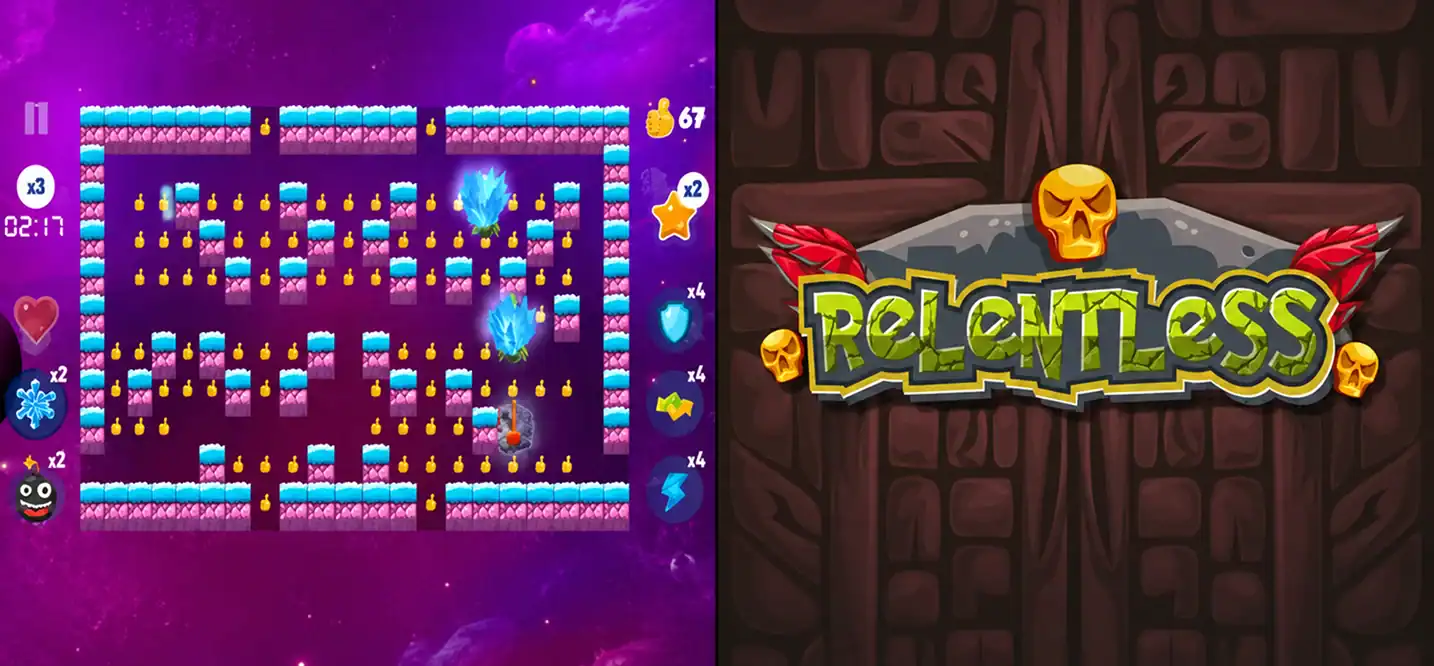
The challenge of modernizing a classic experience is not limited to major franchises. Cubix applied a similar principle with Likeman, a Pac-Man-inspired maze game that retains familiar retro gameplay while adding modern features such as power-ups, social score sharing, and competitive multiplayer chase levels. The project used Unity and C# and was developed over one year.
The example shows why a remake budget depends on more than recreating the original mechanics. Once a studio adds modern systems, updated visuals, new interactions, and broader platform requirements, the scope expands beyond simply reproducing the original game. For a larger 3D action-adventure remake, those same modernization decisions can multiply across characters, environments, animation, combat, UI, cinematics, testing, and optimization.
Cubix has also developed Relentless, an action-adventure game focused on intense combat, providing relevant experience in building the type of gameplay foundation associated with modern action-oriented adventure titles.
What Would a Zelda-Style Action-Adventure Game Cost Without the Zelda IP?
Removing the existing intellectual property changes the economics significantly.
A studio creating an original Zelda-inspired action-adventure would not need to license Nintendo’s characters, world, or story.
Instead, it would need to create its own:
- World
- Characters
- Lore
- Story
- Visual identity
- Enemies
- Dungeons
- Mechanics
- Brand
That creates more creative work, but it also gives the studio control over the IP.
A mid-to-high-quality original 3D action-adventure could realistically fall anywhere from several million dollars to tens of millions, depending on scope.
For a studio building this kind of project, working with an experienced 3D game development company can help determine which systems and assets need to be built from scratch and which can be handled through existing technologies or production frameworks.
What Are the Biggest Factors That Can Push a Game Remake Over Budget?
Even with a detailed production plan, a remake can exceed its initial budget when requirements expand, or development takes longer than expected. Here are the main factors that can push a game remake over budget:
1. Scope Creep
Adding new locations, enemies, mechanics or story content can significantly increase production requirements.
2. Technology Changes
Switching engines or changing the rendering architecture midway through development can create major rework.
3. Asset Rework
If early character or environment assets do not meet the final quality bar, entire production batches may need to be redone.
4. Technical Debt
Poor architecture can make every new feature slower and more expensive to implement.
5. QA Complexity
Every new gameplay system introduces additional combinations that need to be tested.
6. Platform Requirements
Different platforms can introduce their own performance, certification, and compliance requirements.
7. Outsourcing Coordination
External teams can increase production capacity, but managing consistency, reviews, and integration also creates additional overhead.
8. Late Design Changes
Changing core mechanics after production has started can affect programming, animation, level design, UI, QA, and documentation simultaneously.
This is why careful pre-production can have a larger financial impact than simply adding more developers later.
How to Estimate Your Own Game Remake Budget?
If you are planning a remake, start with the scope rather than a fixed dollar amount.
Ask these questions:
- How much of the original game will be rebuilt?
- Will the environments be recreated in full 3D?
- Are the characters receiving new models and animation?
- Will gameplay systems be redesigned?
- How many new cutscenes are required?
- Will the game include voice acting?
- How many platforms will be supported?
- Will the game use an existing engine or custom technology?
- How much work will be outsourced?
- How much QA and optimization will be required?
Then divide the project into production workstreams.
For example:
Design → Engineering → Art → Animation → Audio → QA → Optimization → Certification
Each workstream can then receive its own estimate for:
- People
- Hours
- Duration
- Tools
- Outsourcing
- Infrastructure
- Contingency
This produces a much more realistic budget than saying, “A game like this should cost $20 million.”
So, How Much Would It Really Cost to Remake a Game Like Ocarina of Time?
For a modern, high-fidelity remake that retains the original game’s core identity while rebuilding its presentation, technology, and gameplay systems, $40 million to $80 million is a reasonable development planning range.
A smaller modernization could potentially stay below $25 million.
A larger AAA production with substantially expanded content, more sophisticated technology, extensive cinematics, and a larger team could move beyond $80 million.
The biggest variables are not the age of the original game or the number of levels.
They are scope, team size, asset quality, technology, production time, and how much of the original experience must be rebuilt.
Nintendo’s 2026 Ocarina of Time demonstrates why the distinction matters. The company is not simply presenting the 1998 game at a higher resolution. Nintendo says the Switch 2 version features completely overhauled visuals, remodeled locations, expanded dialogue, voiced cutscenes, new movement options, modern camera controls, refreshed audio, and symphonic music.
That level of modernization requires a production pipeline closer to a contemporary AAA game than a straightforward remaster.
Build the Game, Not Just the Budget
The most useful lesson from an Ocarina of Time-style remake is that development cost follows scope.
A studio does not need Nintendo’s budget to create a compelling 3D action-adventure. But it does need to understand exactly which elements are driving the production workload.
Start with the experience you want players to have.
Then define the world, mechanics, technology, art direction, platforms, and production quality required to deliver it.
From there, the team, timeline, and budget become much easier to estimate.
If you’re planning a high-quality action-adventure title and need support across design, engineering, 3D art and production, explore Cubix’s custom game development services.
Want to discuss your project? Our experts are just a click away.
Contact Us
Frequently Asked Questions
1. How much does it cost to remake a game like Zelda?
A high-fidelity remake of a game with the scope and complexity of Ocarina of Time could reasonably require $40M–$80M in development costs, although the actual budget would depend on team size, scope, technology, outsourcing, and production time.
2. How long does it take to remake a AAA game?
A project of this scale could take approximately 2.5–4 years, including pre-production, core development, QA, optimization and certification.
3. Is a remake cheaper than developing a new game?
Not necessarily. A remake benefits from existing story, design and gameplay foundations, but modernizing those foundations can require rebuilding large amounts of art, animation, technology and systems.
4. What is the most expensive part of making a game remake?
There is no single universal answer. For a high-fidelity 3D remake, major cost centers can include engineering, environment and character art, animation, cinematics, QA, optimization, and the salaries of a large multidisciplinary team.
5. Can an indie studio remake a game like Ocarina of Time?
An indie studio could create a smaller-scale 3D action-adventure inspired by the same design principles. Reproducing the production quality and scope of a major AAA remake would require substantially more resources.
6. How much would it cost to make a Zelda-inspired game?
A Zelda-inspired original game could range from several million dollars to tens of millions depending on its world size, visual quality, gameplay systems, team size and production timeline.
7. Can outsourcing reduce game development costs?
Outsourcing can help studios access specialized artists, programmers, animators and QA resources without building every capability internally. However, outsourcing does not automatically reduce total cost because production management, reviews and integration still require internal resources.