Key Takeaways
- The best MVP game development companies in the USA include Cubix, TekRevol, Kevuru Games, Schell Games, and SDLC Corp.
- Choose a company based on your game type, platform, budget, and development needs.
- A simple game MVP may cost between $15,000 and $40,000, while complex projects cost more.
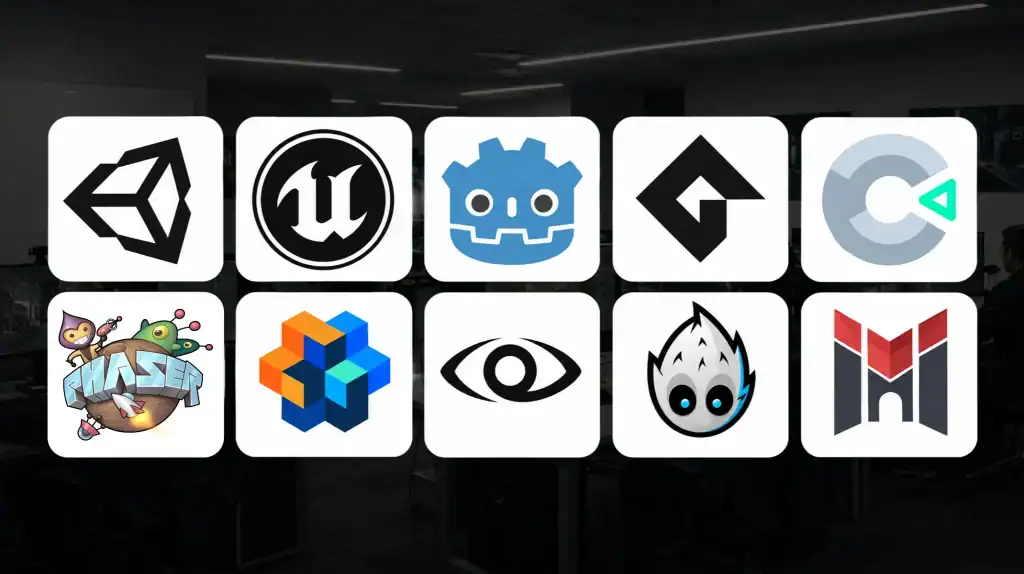
- Unity is a good choice for mobile and 2D games, while Unreal Engine suits high-quality 3D games.
- Make sure the contract includes source code, game assets, documentation, and ownership rights.
Picking the wrong studio can burn your budget before you even test if players like your game. That is why founders spend weeks comparing the best MVP game development companies in USA before they sign a contract. The stakes keep rising, too, since global games market revenue in 2025 was $200 billion and is expected to reach $577.91 billion in 2026.
We reviewed pricing, engine expertise, platform focus, and Clutch ratings for ten studios. North America alone holds close to 45% of the global game development services market, according to recent industry analysis, which is one reason US founders have no shortage of qualified studios to pick from. You will find a full comparison table, a breakdown of who fits your game type, and a realistic budget guide for 2026.
Whether you need a mobile game development company for a quick app store test or a studio to build console-grade prototypes, this list has covered everything.
Got a game idea worth testing? Let’s build it today
Contact UsBest MVP Game Development Companies: Comparison Table
The companies below are selected based on their game development expertise, technology capabilities, portfolio, and ability to build scalable MVPs.
| Company | Founded | Location | Team Size | Hourly Rate | Rating |
|---|---|---|---|---|---|
| Cubix | 2008 | Miami, USA | 250-999 | $50-$99/hr | 4.8/5 |
| TekRevol | 2017 | Florida, USA | 250-999 | $25-$49/hr | 4.9/5 |
| Kevuru Games | 2011 | Santa Monica, USA | 200-280 | $25-$49/hr | 4.9/5 |
| Schell Games | 2002 | Pittsburgh, USA | 100-249 | $100-$149/hr | 4.9/5 |
| SDLC Corp | 2010 | Delaware, USA | 50-249 | $25-$49/hr | 4.8/5 |
| Game-Ace | 2003 | Delaware, USA | 50-249 | $25-$49/hr | 4.9/5 |
| Titan Loop Game Studios | 2019 | Texas, USA | 10-49 | $25-$49/hr | 4.7/5 |
| NipsApp Game Studios | 2016 | New York, USA | 10-49 | $25-$49/hr | 4.7/5 |
| StudioKrew | 2015 | Delaware, USA | 50-249 | $25-$49/hr | 4.8/5 |
| Toptal | 2010 | California, USA | 10,000+ (network) | $60-$200/hr | 4.6/5 |
Top 10 Best MVP Game Development Companies in USA in 2026
The best MVP game development companies in the USA include Cubix, TekRevol, Kevuru Games, Schell Games, SDLC Corp, Game-Ace, Titan Loop Game Studios, NipsApp Game Studios, StudioKrew, and Toptal. The right choice depends on your game type, platform, budget, engine, and need for services such as multiplayer, AR, blockchain, or full-cycle development.
1. Cubix: Best for Full-Cycle Game MVP Development
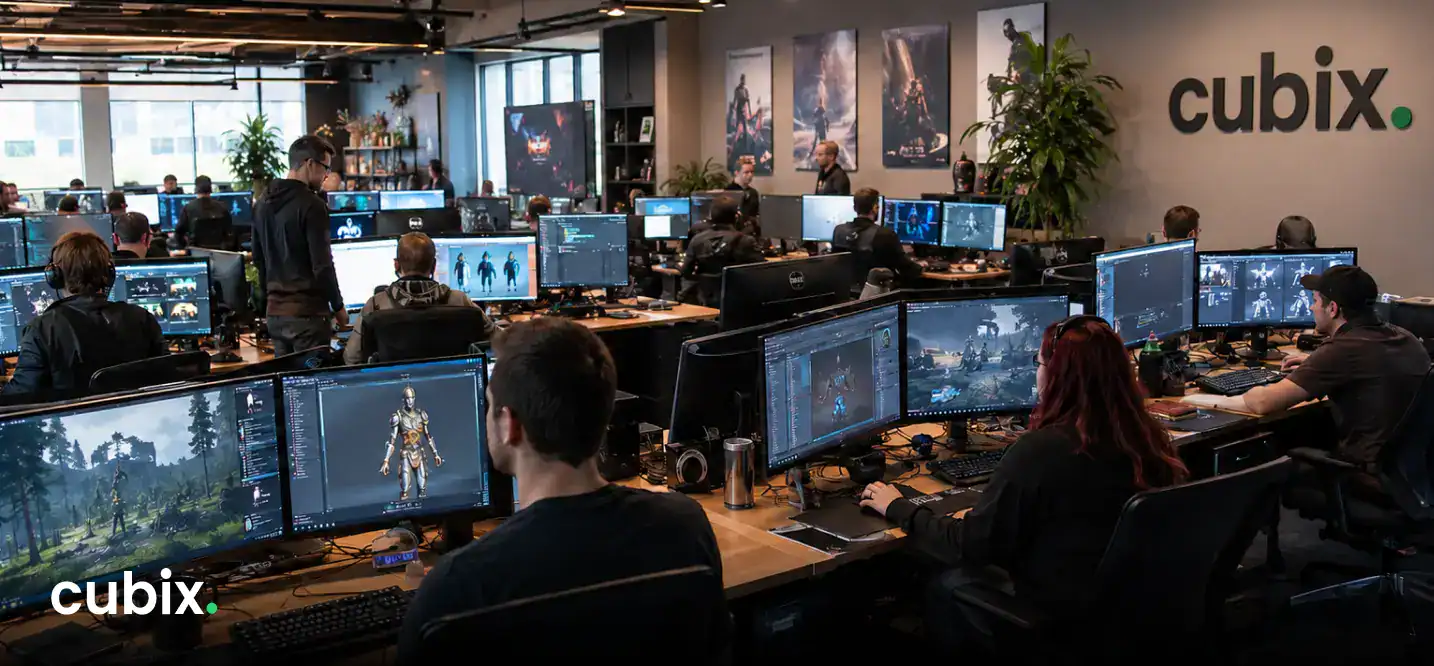
Year founded: 2008 | Location: Miami, USA | Team size: 250-999 | Hourly rate: $50-$99/hr |
Cubix is a strong choice for startups and businesses looking to develop a game MVP with end-to-end support. The company has created and launched more than 200+ games, generating over 35 million downloads across major app stores.
Its experience extends beyond basic prototyping. Cubix builds MVPs with scalable gameplay systems, reliable backend infrastructure, and a product roadmap that can support future expansion. Its in-house teams handle game design, Unity game development, Unreal Engine development, blockchai
Why Choose Cubix?
- Full-cycle teams covering design, art, engineering, QA, and post-launch support under one roof
- Deep experience across mobile, AR, Web3, and multiplayer game categories
- 4.8/5 average rating across dozens of verified Clutch reviews
- Proven ability to build first-of-their-kind concepts without an existing template to copy
- Transparent scoping that keeps MVP budgets predictable instead of ballooning mid-build
Best Project Fit
Cubix works best for founders who want one accountable partner from concept validation through to a source-code handover they fully own. It also suits studios exploring blockchain, AR, or hybrid-casual mechanics where in-house R&D experience speeds up early decisions.
Potential Limitation
Because Cubix runs larger, senior-heavy teams, the entry price sits above budget outsourcing shops. Founders chasing the absolute lowest hourly rate may need to weigh that against the lower risk of rework later.
2. TekRevol
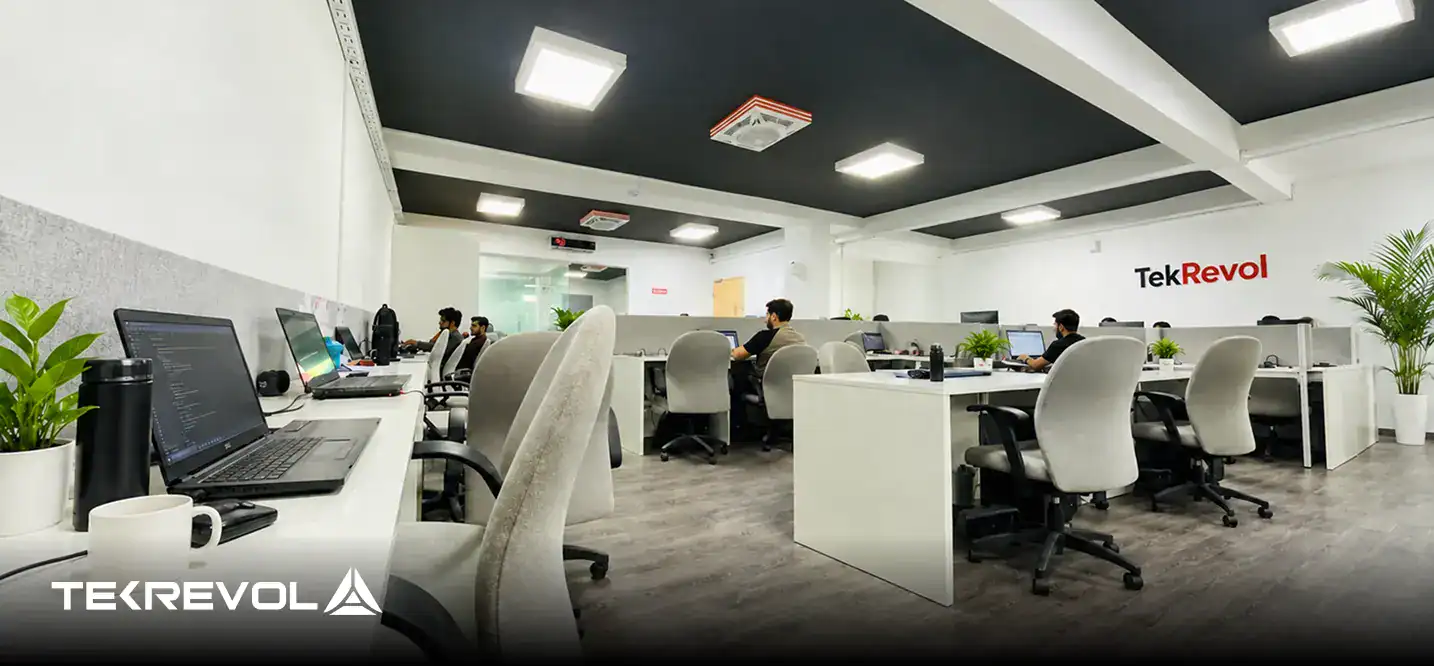
Year founded: 2017 | Location: Florida, USA | Team size: 250-999 | Hourly rate: $25-$49/hr
Overview
TekRevol built its name in mobile app development before expanding into game studios. The company runs a large delivery team, which helps it staff MVP projects quickly without long onboarding delays.
Why Choose TekRevol?
- Competitive hourly rates for a mid-sized US studio
- Strong mobile UX background that carries over into game interface design
- Fast team ramp-up for founders on tight timelines
Best Project Fit
Startups building mobile-first casual or hybrid-casual game MVPs that need speed over deep genre specialization.
Potential Limitation
Game-specific expertise is thinner than studios that specialize only in games, so complex genres may need extra oversight from your side.
3. Kevuru Games
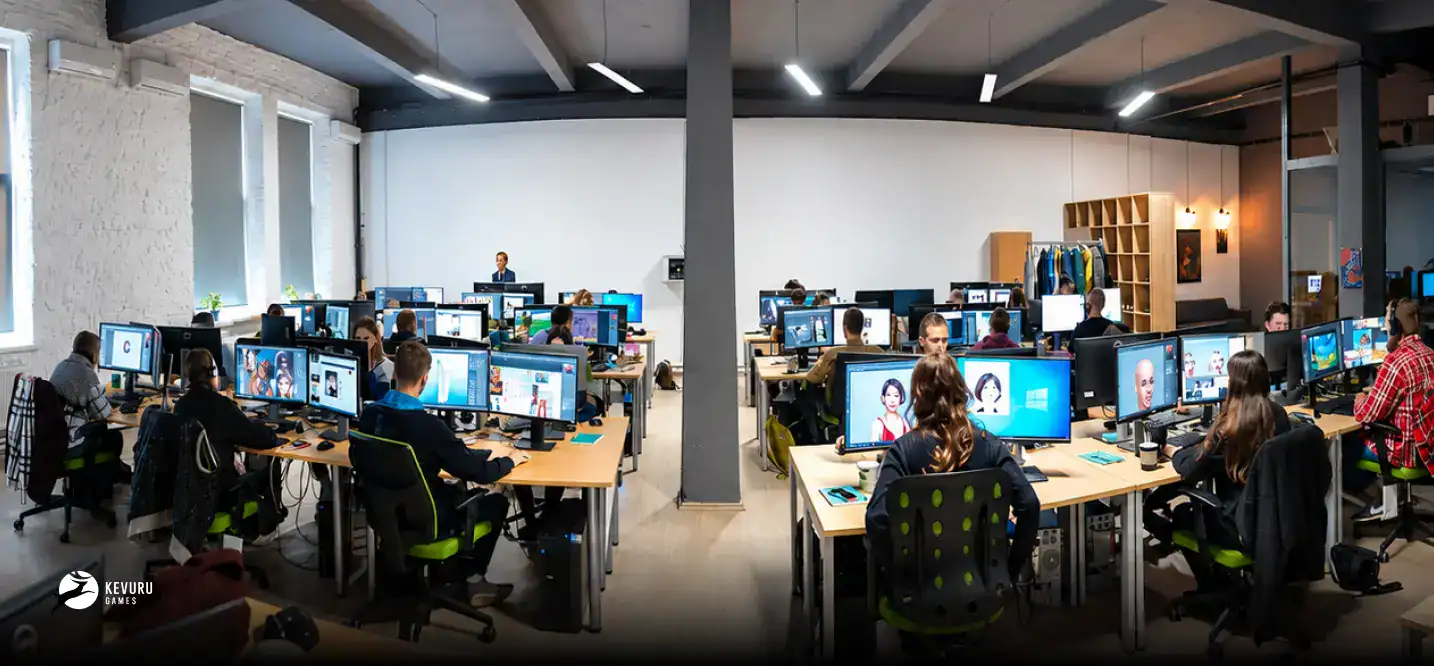
Year founded: 2011 | Location: Santa Monica, USA | Team size: 200-280 | Hourly rate: $25-$49/hr
Overview
Kevuru Games built its reputation on art production for major publishers, including work tied to franchises like Star Wars and Fortnite. That art pedigree makes it a strong pick when your MVP needs to look polished enough for an investor demo, not just function.
Why Choose Kevuru Games?
- Deep bench of character artists and animators
- Experience across 10 global delivery locations
- Track record with 2D and 3D pipelines for both indie and AAA-adjacent clients
Best Project Fit
Founders who need a visually strong vertical slice for pitch decks or publisher meetings, where art quality carries as much weight as mechanics.
Potential Limitation
The studio leans art-first. If your MVP depends on complex backend systems or live-ops infrastructure, confirm engineering depth before signing.
4. Schell Games
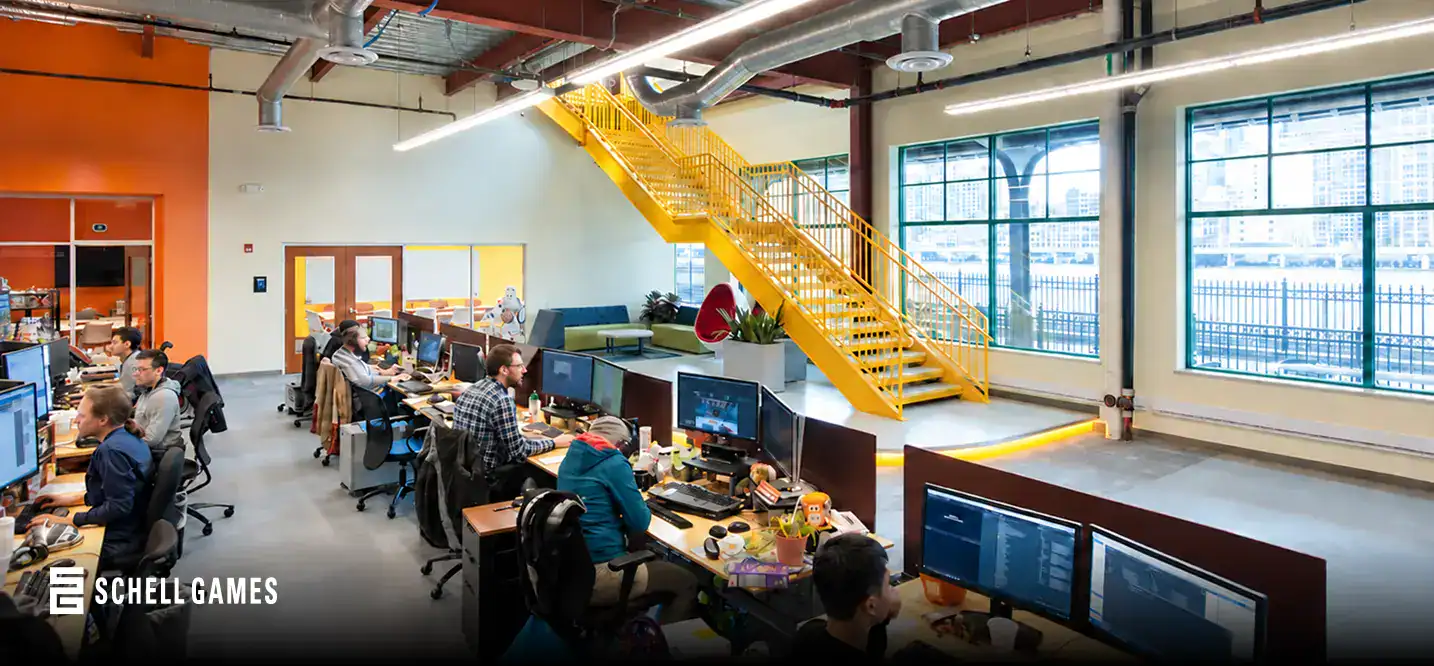
Year founded: 2002 | Location: Pittsburgh, USA | Team size: 100-249 | Hourly rate: $100-$149/hr
Overview
Schell Games built its reputation on immersive and educational titles, including well-known VR projects. Its design philosophy centers on learning outcomes and experience design, not just entertainment loops.
Why Choose Schell Games?
- Deep VR and AR development history
- Strong focus on educational and serious game design
- Experienced design leadership with published books and speaking credentials in the field
Best Project Fit
Best for teams building educational apps, training simulations, or experience-led products where immersion matters more than rapid iteration cycles.
Potential Limitation
Higher hourly rates put this studio out of reach for founders on a lean pre-seed budget.
5. SDLC Corp
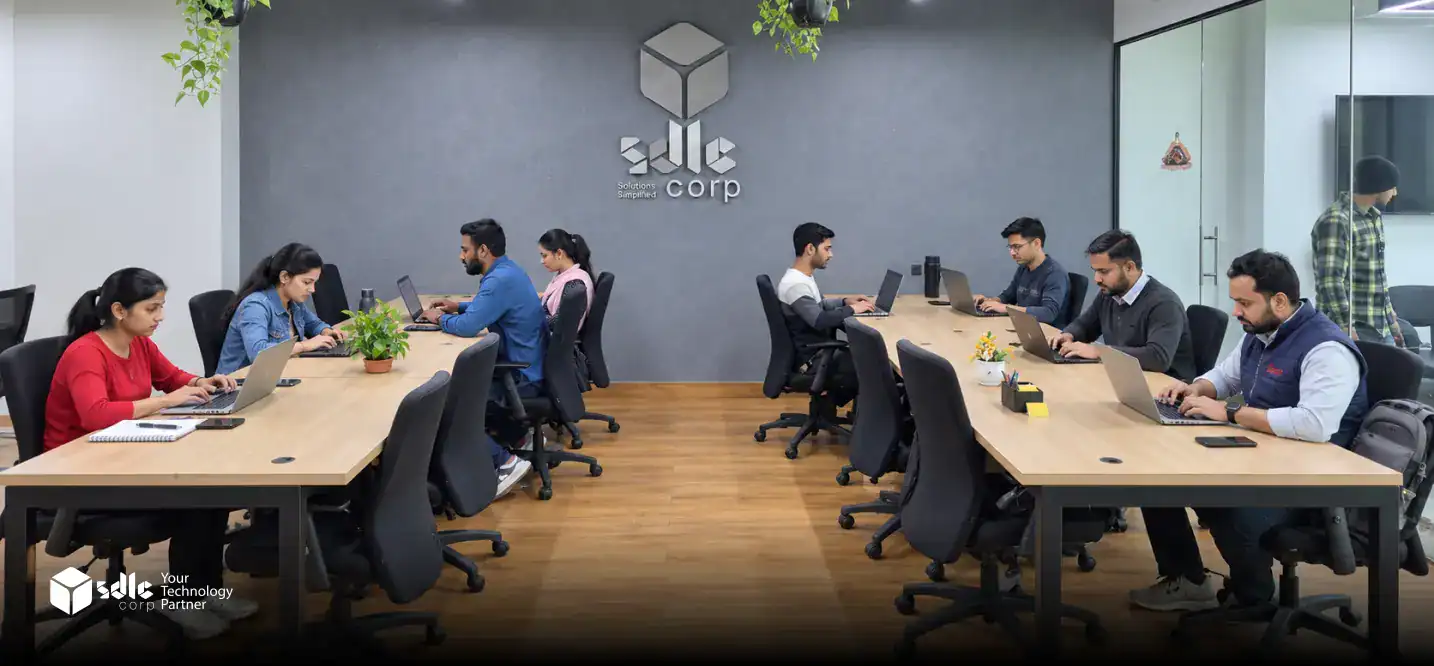
Year founded: 2010 | Location: Delaware, USA | Team size: 50-249 | Hourly rate: $25-$49/hr
Overview
SDLC Corp positions itself as a broad software outsourcing partner that also handles game development, including blockchain and multiplayer builds.
Why Choose SDLC Corp?
- Competitive pricing for teams that need blockchain or Web3 integration
- Multiplayer backend experience, including matchmaking and server architecture
- Flexible engagement models for MVP-stage clients
Best Project Fit
Web3 or multiplayer MVPs where budget matters as much as technical breadth.
Potential Limitation
As a broader software house rather than a pure-play game studio, design depth can vary by team assigned.
6. Game-Ace
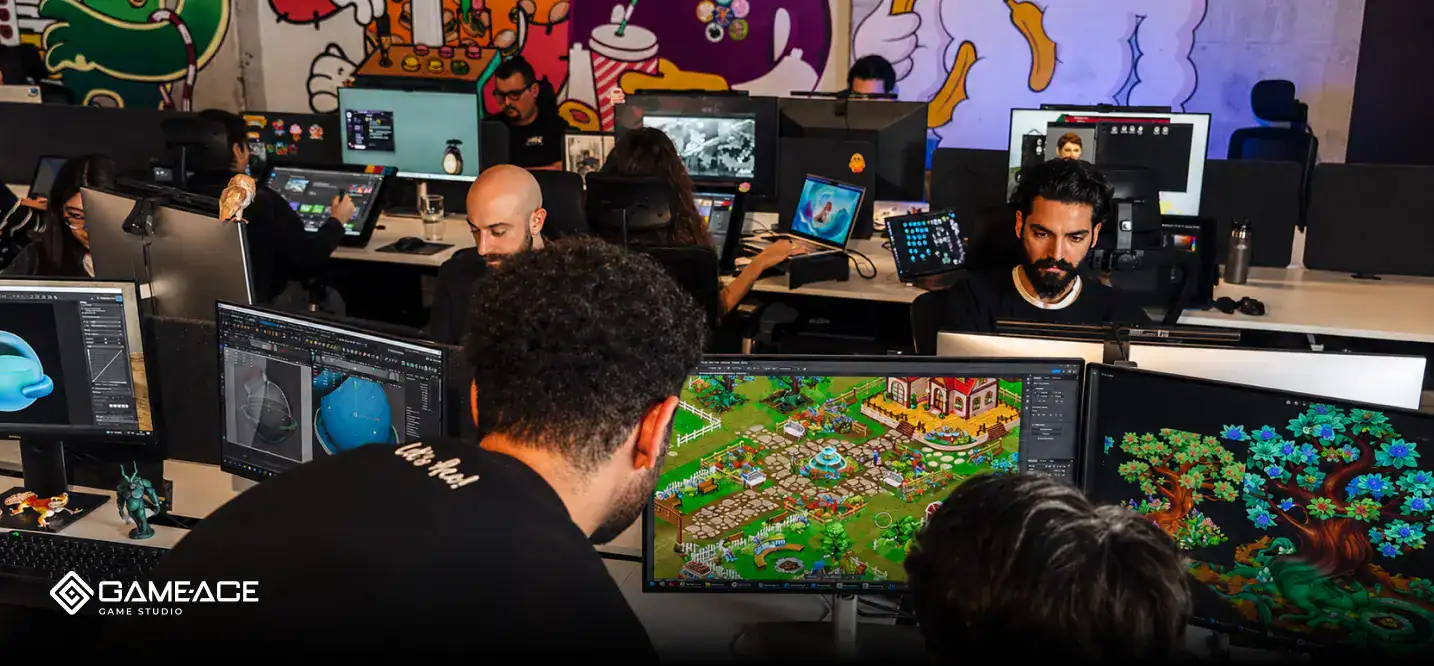
Year founded: 2003 | Location: Delaware, USA | Team size: 50-249 | Hourly rate: $25-$49/hr
Overview
Game-Ace has over two decades in the industry, giving it institutional knowledge across shifting engine trends, from early Flash-based games to today’s Unreal and Unity pipelines.
Why Choose Game-Ace?
- Long operating history with proven longevity
- Cross-platform delivery across PC, mobile, and console
- Balanced pricing relative to experience level
Best Project Fit
Founders who value a studio with a long track record over a newer, faster-growing one.
Potential Limitation
Long-tenured studios can carry more process overhead, which may slow decisions for founders who want a lean, fast-moving MVP sprint.
7. Titan Loop Game Studios
Year founded: 2019 | Location: Texas, USA | Team size: 10-49 | Hourly rate: $25-$49/hr
Overview
Titan Loop is a smaller, newer studio that competes on responsiveness and close founder access rather than scale.
Why Choose Titan Loop?
- Direct access to senior developers without layers of account management
- Lower overhead, which can translate to tighter budgets
- Agile team structure suited to fast pivots
Best Project Fit
Solo founders or small teams who want hands-on collaboration and do not need a large staffing bench.
Potential Limitation
Smaller team size means limited capacity if your MVP scope grows mid-project.
8. NipsApp Game Studios
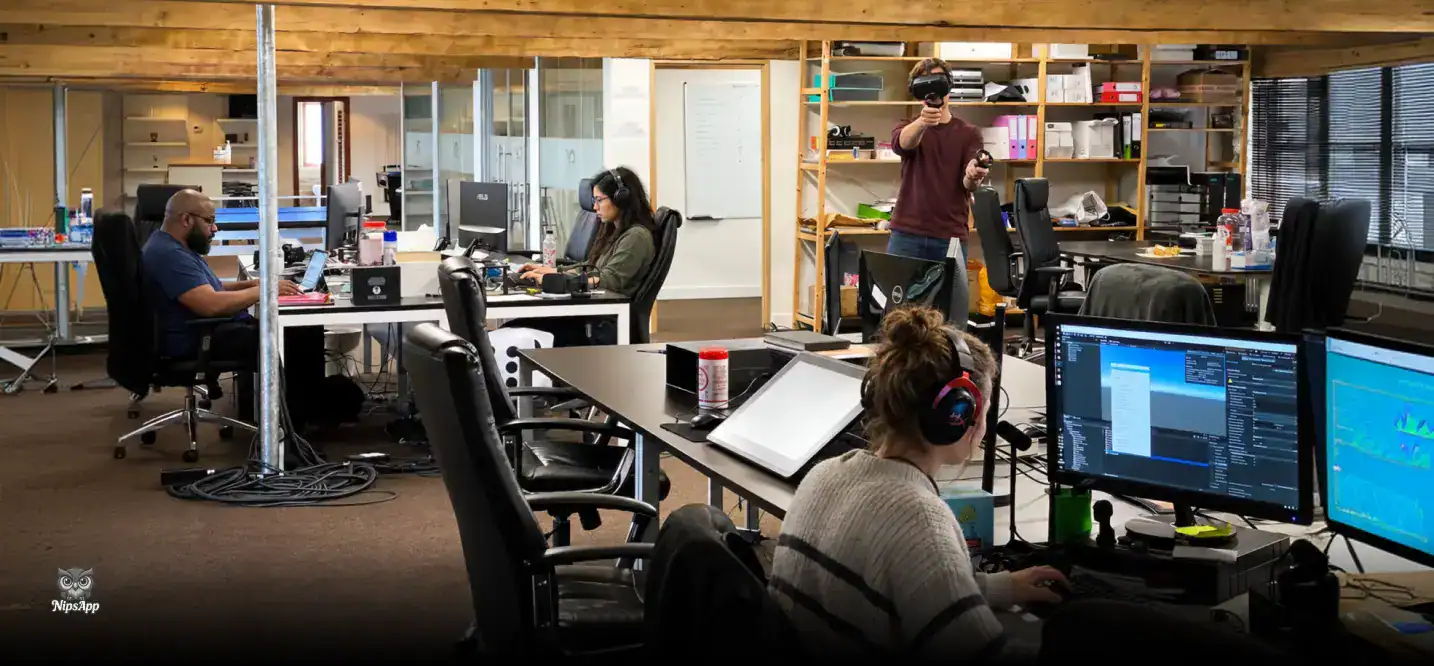
Year founded: 2016 | Location: New York, USA | Team size: 10-49 | Hourly rate: $25-$49/hr
Overview
NipsApp focuses on mobile game development with an emphasis on hyper-casual and mid-core mechanics.
Why Choose NipsApp?
- Specialization in mobile-first mechanics and monetization loops
- Compact team that keeps communication direct
- Reasonable pricing for early-stage founders
Best Project Fit
Mobile hyper-casual or mid-core game MVPs where fast iteration on the core loop matters more than large-scale production value.
Potential Limitation
Limited track record with larger, multi-platform titles compared to more established studios on this list.
9. StudioKrew
Year founded: 2015 | Location: Delaware, USA | Team size: 50-249 | Hourly rate: $25-$49/hr
Overview
StudioKrew operates as a mid-sized outsourcing partner handling both mobile apps and games, giving it a broader client base than pure-play studios.
Why Choose StudioKrew?
- Mid-sized team that balances speed with staffing depth
- Cross-industry experience beyond gaming alone
- Competitive rates for MVP-stage engagements
Best Project Fit
Founders who want a generalist software partner capable of handling a game MVP alongside a companion mobile app or web dashboard.
Potential Limitation
Because gaming is one of several service lines, deep genre specialization may be thinner than dedicated studios.
10. Toptal

Year founded: 2010 | Location: California, USA | Team size: 10,000+ freelance network | Hourly rate: $60-$200/hr
Overview
Toptal is not a traditional studio. It is a vetted freelance network, so you hire individual senior developers rather than a packaged team.
Why Choose Toptal?
- Access to top-tier individual talent screened through a strict vetting process
- Flexible scaling, since you add or remove freelancers as scope shifts
- Useful for filling a specific skill gap, like a single Unreal Engine specialist
Best Project Fit
Founders who already have a product manager or technical lead in-house and just need to fill specific engineering or art roles.
Potential Limitation
Without a packaged project management layer, you carry more coordination responsibility yourself.
Best Company by Game MVP Type
Not every studio on this list fits every project. Here is how to match your game type to the right partner among the best MVP game development companies in the USA.
1. Best for Mobile Game MVPs
Best Choice: Cubix, TekRevol, Kevuru Games
Compare these three on mobile optimization, cross-platform support, in-app art quality, backend development, and deployment readiness for the App Store and Google Play. Cubix and TekRevol both bring a mobile-first UX experience, while Kevuru adds stronger art production if your MVP needs to look premium out of the gate. Mobile is worth the extra scrutiny too, since it accounted for $134.22 billion in 2026.
2. Best for AR Game MVPs
Best Choice: Cubix, Schell Games, SDLC Corp
AR MVPs need specific technical skills: ARKit, ARCore, WebAR, spatial interaction design, and device-specific testing across a wide range of hardware. Schell Games brings the deepest immersive-experience background, while Cubix and SDLC Corp add location-based gameplay engineering.
3. Best for Web3 Game MVPs
Best Choice: Cubix, TekRevol, SDLC Corp, Kevuru Games
Web3 game MVPs involve wallets, tokenized economies, NFTs, and smart contracts layered on top of standard gameplay systems. However, validate your core gameplay loop before adding blockchain complexity. A fun game with token rewards attached beats a token system wrapped around gameplay nobody enjoys.
4. Best for Game Art and Vertical Slices
Best Choice: Kevuru Games
If your goal is a publisher-facing vertical slice, focus on character art, environment design, animation quality, and UI polish. Kevuru Games built its business on exactly this kind of high-fidelity showcase work.
5. Best for Multiplayer Game MVPs
Best Choice: SDLC Corp, Cubix, TekRevol
Multiplayer MVPs need matchmaking systems, authentication, real-time networking, cloud infrastructure, analytics, and server architecture that scales. These three studios have shipped multiplayer systems at production scale, not just prototype level.
How Do I Choose the Best MVP Game Development Company in the USA?
Ratings and portfolios only tell part of the story. Before you sign with any studio, run through this checklist.
- Check genre experience: A 4.9-star studio that has never shipped a multiplayer title is not the right pick for your multiplayer MVP. Ask for case studies in your exact genre.
- Confirm engine expertise upfront. If your MVP needs console-grade visuals, verify the team has real production experience with an Unreal Engine game development company, not just a few tutorial-level projects.
- Realistic Budget and Timeline: Expect a standard game MVP to cost between $20,000 and $60,000 and take roughly 6 to 10 weeks to build.
- Look at communication structure. Weekly syncs, a named project lead, and clear escalation paths matter more once your MVP hits its first round of changes.
- Compare engagement models. Some studios only offer full dedicated teams, while others support smaller, task-based work. Match the model to your budget stage.
- Weigh in-house versus outsourced delivery. Around 68% of developers cite outsourcing as a way to reduce costs and speed up time to market, which explains why so many founders now default to a game development outsourcing company instead of hiring an in-house team from scratch.
- Read past reviews: Delays, scope creep, and communication gaps during project manager transitions show up in Clutch reviews if you read past the star rating.
- IP and Asset Ownership: Ensure you get complete ownership of source files, engine files, and build instructions in writing before signing.
MVP Game Development Process: From Idea to Launch
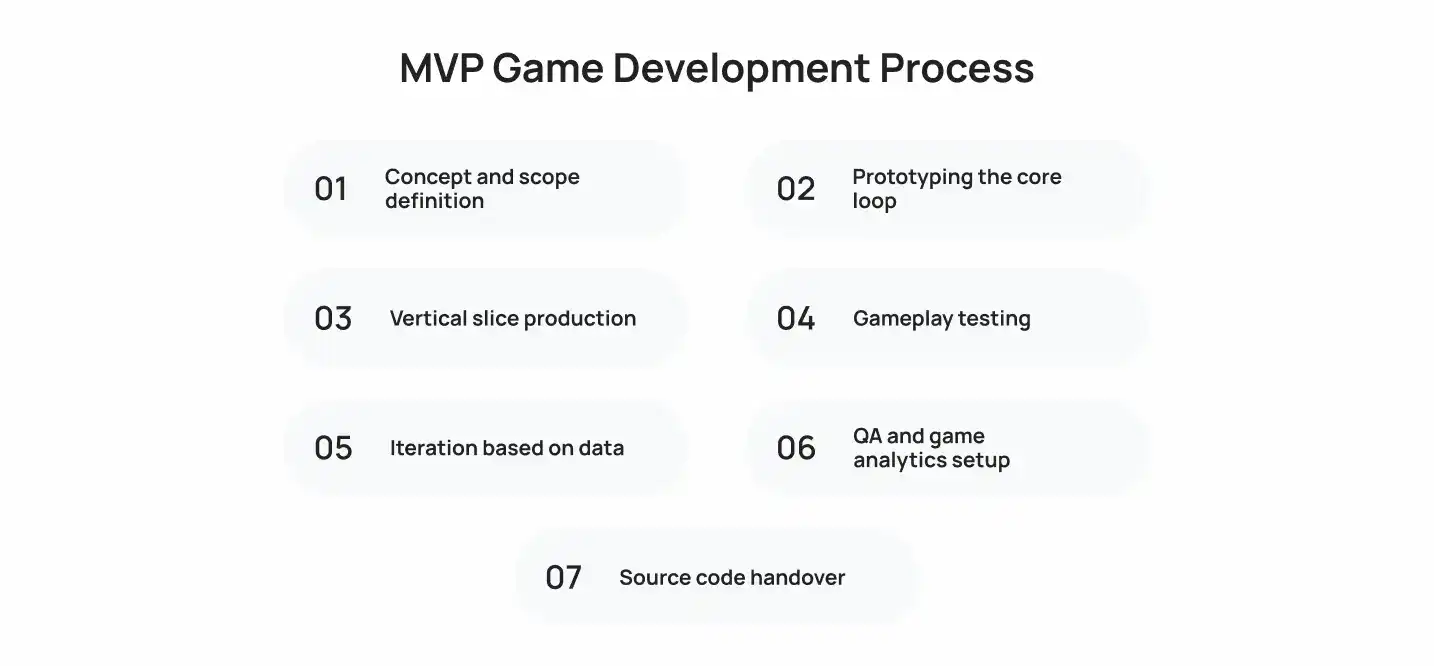
A game MVP is not a stripped-down demo. It is a playable test of your core gameplay loop, built to validate whether players actually want to keep playing. Here is how the process typically runs.
- Concept and scope definition. You and the studio agree on your game MVP scope, meaning the smallest set of features that proves your concept works. This usually gets written into a game design document that outlines mechanics, art direction, and target platform.
- Prototyping the core loop. Engineers build a playable game prototype focused entirely on the core gameplay loop, the repeatable action players do again and again. Everything else waits.
- Vertical slice production. Once the loop feels right, the team builds a vertical slice, a small but polished section of the game that shows what the full product could look like. This is often what founders use for an investor game demo.
- Gameplay testing. Real players test the build. Studios track drop-off points, session length, and where confusion happens. This step exists to catch bad assumptions before you spend more money building on top of them.
- Iteration based on data. Teams refine mechanics using game level design tips and playtest feedback, adjusting difficulty curves, pacing, and onboarding flow.
- QA and game analytics setup. Before launch, the studio runs game QA testing across target devices and integrates game analytics so you can measure retention from day one.
- Source code handover. A reputable MVP software development service hands over full source code, documentation, and source control access. You should own everything, not just a build file.
Technology Stack for MVP Game Development
Your engine choice shapes cost, timeline, and long-term flexibility. Here is how the major options compare for MVP-stage projects.
| Engine | Best For | Learning Curve | MVP Suitability |
|---|---|---|---|
| Unity | Mobile, 2D, indie, cross-platform | Moderate | Excellent for fast MVPs |
| Unreal Engine | High-fidelity 3D, console, AAA-style visuals | Steep | Strong, but heavier for simple MVPs |
| Godot | Small teams, 2D, open-source projects | Low to moderate | Good for lean, low-budget MVPs |
A few things worth knowing before you pick:
- Unity game development remains the most common choice for mobile MVPs because of its asset store, cross-platform build tools, and large talent pool.
- Unreal Engine delivers stronger visual fidelity out of the box, which matters if your MVP needs to impress investors visually. Just know that Unreal Engine game development costs tend to run higher due to hardware and skill requirements.
- Recent data shows Unreal Engine has actually overtaken Unity as the primary engine among studios, used by 42% of developers compared to 30% for Unity. That shift reflects growing comfort with Unreal even outside big-budget titles.
- Godot works well for smaller budgets and 2D-heavy MVPs, though its talent pool is smaller than Unity or Unreal.
- Platform decisions matter early. Building for iOS and Android from day one avoids costly rework later, and if you plan a PC release, factor in Steam’s submission and testing requirements before you finalize your MVP scope.
MVP Development Budget and Timeline Expectations in 2026
Game development costs shift based on platform, engine, and team location. Here is a realistic range for 2026.
| MVP Type | Typical Timeline | Typical Cost Range |
|---|---|---|
| Simple mobile 2D MVP | 6-10 weeks | $15,000-$40,000 |
| Mid-complexity mobile MVP | 10-16 weeks | $40,000-$90,000 |
| 3D or AR MVP | 12-20 weeks | $70,000-$150,000+ |
| Multiplayer MVP | 16-24 weeks | $100,000-$250,000+ |
Rates depend heavily on where the team sits. US-based teams generally charge more per hour than offshore teams, but often reduce revision cycles and communication delays, which can offset the higher rate over the full project.
Treat these ranges as a starting point, not a fixed quote. Your final number depends on scope, platform count, and how much art polish your MVP needs before it goes in front of players or investors.
Why You Should Choose Cubix for MVP Game Development
Cubix stands out among the best MVP game development companies in USA for a simple reason: it treats an MVP as a real product, not a throwaway prototype.
Here is what that looks like in practice:
- Full ownership handover. You get complete source code and documentation, not a locked-down build you cannot extend later.
- Cross-genre depth. From 2D game developers building casual mobile loops to 3D game developers handling console-grade visuals, the team covers both ends without switching vendors mid-project.
- Built-in QA discipline. Every MVP goes through structured testing before handover, reducing the risk of shipping a build that breaks on half your target devices.
- Proven delivery record. With over 250 games shipped and 35 million-plus downloads generated for past clients, Cubix has already solved most of the technical problems your MVP will run into.
- Flexible engagement models. Whether you need a dedicated team or a smaller task-based engagement, Cubix scopes around your actual budget instead of pushing a one-size package.
If you want a partner that can take your concept from a rough idea to a fully playable, investor-ready build, Cubix is worth a direct conversation before you commit elsewhere.
Ready to launch your game MVP? Let’s bring it to life
Contact UsFrequently Asked Questions
1. How much does game MVP development cost?
Most mobile game MVPs cost between $15,000 and $90,000, depending on complexity. AR, 3D, and multiplayer MVPs run higher, often $70,000 and up.
2. How long does it take to build a game MVP?
Simple mobile MVPs typically take 6 to 10 weeks. More complex 3D, AR, or multiplayer builds can take 12 to 24 weeks.
3. Should I use Unity or Unreal for a game MVP?
Unity suits most mobile and 2D MVPs due to faster development and lower cost. Unreal Engine fits projects where visual fidelity matters most, such as investor demos for 3D or console-style games.
4. What should be included in a mobile game MVP?
A working core gameplay loop, basic UI, at least one full level or session, and enough polish to test player retention through a real playtest group.
5. What is the difference between a prototype, MVP, and vertical slice?
A prototype tests one mechanic quickly and roughly. An MVP is a playable, minimum-feature version of the full game. A vertical slice is a polished section of the game meant to represent final quality, often used for investor pitches.
6. Should a game MVP include multiplayer?
Only if multiplayer is core to your gameplay loop. Adding multiplayer to an MVP that does not need it increases cost and timeline without testing your actual concept.
7. What files should a game development company hand over?
Full source code, art assets, a game design document, build files, and source control access. Confirm this in writing before the project starts.
8. How do I validate a game MVP after launch?
Track retention curves, session length, and drop-off points using game analytics. Compare these against playtest feedback gathered before launch to see if real player behavior matches what testers said.
9. How much does it cost to develop an MVP?
Software MVPs outside gaming generally range from $10,000 to $50,000, though scope and platform requirements can push costs higher.
10. What are the top MVP development companies?
Cubix, TekRevol, and Toptal rank among the most requested MVP development partners for software and app projects beyond gaming.
11. What are the best game development companies in the USA?
Cubix, Schell Games, and Kevuru Games rank among the strongest overall, based on portfolio depth, client ratings, and platform range.
12. What are the top 10 game development companies?
Based on this guide: Cubix, TekRevol, Kevuru Games, Schell Games, SDLC Corp, Game-Ace, Titan Loop Game Studios, NipsApp Game Studios, StudioKrew, and Toptal.