
Key Takeaways
- The multiplayer gaming market is growing rapidly, with the global market estimated to reach $203.35 billion in 2026.
- Mobile, PC, and console platforms continue to support multiplayer gaming, with mobile holding the largest estimated market share.
- The leading trends in 2026 include cross-platform play, AI-powered gaming, live-service content, cloud gaming, user-generated content, and social co-op experiences.
- Multiplayer game development costs range from $30,000 for simple games to more than $2 million for large-scale MMO projects.
- The future of multiplayer gaming will be more social, connected, AI-driven, creator-focused, and accessible across multiple devices.
Multiplayer gaming has become one of the most important parts of the modern gaming industry. In 2026, players are no longer limited by a single console, device, or gaming community. Cross-platform play, cloud gaming, AI-powered experiences, user-generated content, and social features are changing how people connect and play together.
The market is growing alongside these technological changes. According to Statista, revenue in the global games market is projected to reach US$577.91 billion in 2026. The market is also expected to grow at a 6.58% CAGR from 2026 to 2030.
In this guide, we’ll explore the multiplayer games market size and growth in 2026, the biggest multiplayer gaming trends, the best multiplayer games to play, the impact of AI and cross-platform gaming, and what the future of multiplayer gaming could look like beyond 2026
If you’re planning to build a multiplayer game, you’ll also learn about the technologies and development considerations involved in creating connected gaming experiences through Multiplayer Game Development Services.
What Are Multiplayer Games?
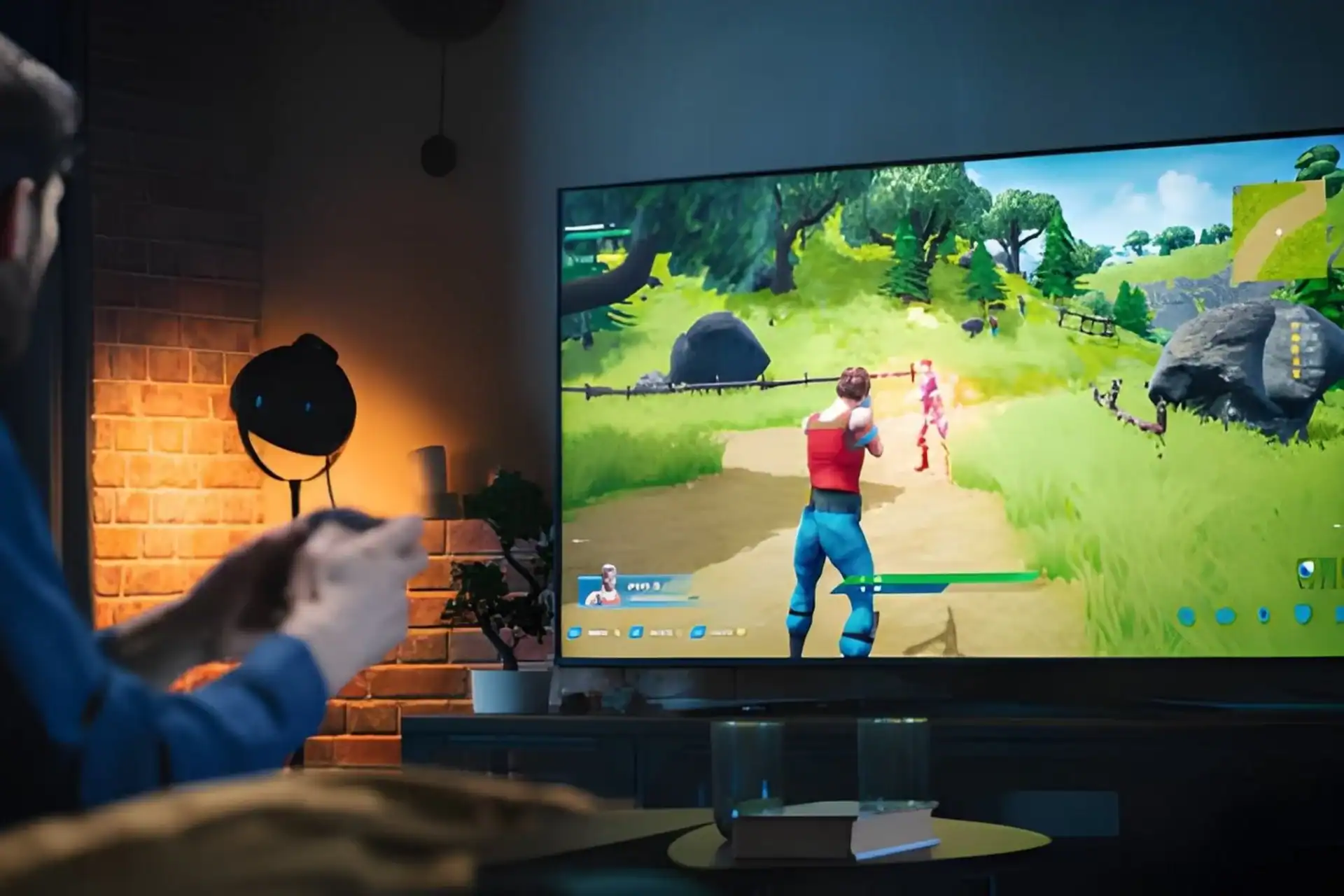
Multiplayer games allow two or more players to play and interact within the same game. Players can compete against each other, work together, or explore shared virtual worlds.
These games cover many genres, including shooters, battle royale games, MMORPGs, sports games, strategy games, and co-op adventures. In addition, modern multiplayer games offer several key features that make them more engaging:
- Online multiplayer: Lets players connect and play through the internet.
- Co-op gameplay: Allows players to work together toward shared goals.
- Competitive modes: Let players compete in ranked matches, tournaments, or PvP battles.
- Cross-platform play: Allows players on different devices to play together.
- Matchmaking: Connects players based on factors such as skill, location, or game mode.
- Voice and text chat: Helps players communicate and coordinate during matches.
- Live events and updates: Keeps games fresh with new maps, characters, challenges, and seasonal content.
- Social features: Allows players to create teams, join communities, and play with friends.
- User-generated content: Gives players tools to create and share maps, modes, and other game content.
Multiplayer Games Market Size, Growth, Regions, and Platforms
The multiplayer gaming market continues to expand as more players connect through mobile devices, PCs, and consoles. Individual multiplayer games can also generate significant revenue through in-game purchases, battle passes, and other monetization models. For an example, see our analysis of how much money PUBG has made.
The market has also changed significantly since 2021. Growth has not followed a straight line each year. However, the overall direction remains positive, with multiplayer gaming becoming more connected across devices and regions.
Multiplayer Games Market Size From 2021 to 2026
The global multiplayer games market has grown considerably between 2021 and 2026. Based on the market estimates used in this analysis, the market increased from $139.53 billion in 2021 to $203.35 billion in 2026.
This reflects continued demand for online competition, co-op gaming, live-service titles, and social gaming experiences.
| Year | Global Multiplayer Games Market Size | YoY Growth |
| 2021 | $139.53 billion | 11.22% |
| 2022 | $146.33 billion | 4.87% |
| 2023 | $168.65 billion | 15.26% |
| 2024 | $174.14 billion | 3.26% |
| 2025 | $193.45 billion | 11.09% |
| 2026 | $203.35 billion | 5.12% |
Multiplayer Games Market Forecast, 2026-2032
The multiplayer games market is expected to maintain its growth through 2032. Based on the forecast used in this analysis, the market could rise from $203.35 billion in 2026 to $343.33 billion in 2032.
| Year | Global Multiplayer Games Market Size | YoY Growth |
| 2026 | $203.35B | 5.12% |
| 2027 | $227.20B | 11.73% |
| 2028 | $247.41B | 8.89% |
| 2029 | $267.97B | 8.31% |
| 2030 | $283.53B | 5.81% |
| 2031 | $310.16B | 9.39% |
| 2032 | $343.33B | 10.69% |
Multiplayer Games Market Size by Region in 2026
Asia Pacific remains the largest gaming region, supported by its large player base, strong mobile gaming market, and growing digital infrastructure.
North America and Europe also represent major gaming markets. Meanwhile, Latin America and the Middle East and Africa continue to offer growth opportunities as smartphone use and internet access increase.
| Region | Estimated 2026 Share of Global Multiplayer Games Market |
| Asia Pacific | 47% |
| North America | 24% |
| Europe | 19% |
| Latin America | 6% |
| Middle East & Africa | 4% |
Multiplayer Games Market by Platform
Mobile gaming has a particularly large audience because smartphones are widely available. At the same time, PC and console platforms remain important for competitive games, AAA titles, esports, and long-form multiplayer experiences.
Mobile multiplayer games span several genres, including shooters, battle royale, strategy, RPG, and social games. For a closer look at the categories shaping mobile gaming, read our guide to popular mobile game categories
| Platform | Market Share | Estimated 2026 Market Size |
| Mobile | 42.1% | ~$85.6B |
| PC | 28.5% | ~$58.0B |
| Console | 22.8% | ~$46.4B |
| Other | 6.6% | ~$13.4B |
Multiplayer Game Development Cost in 2026
The multiplayer game development cost in 2026 typically ranges from $30,000 to $500,000+, depending on the game’s genre, features, platforms, and multiplayer architecture. Simple multiplayer mobile games can cost around $80,000; large-scale MMO and multiplayer projects can exceed $2 million+.
| Multiplayer Game Type | Development Cost | Development Time |
| Simple Multiplayer Mobile Game | $30,000–$80,000 | 3–6 months |
| 2D Multiplayer Game | $40,000–$100,000 | 4–8 months |
| Casual Multiplayer Game | $50,000–$150,000 | 5–9 months |
| Multiplayer Shooter | $100,000–$300,000+ | 8–14 months |
| Multiplayer RPG | $150,000–$500,000+ | 12–24 months |
| Cross-Platform Multiplayer Game | $150,000–$500,000+ | 12–24 months |
| MMO / Large-Scale Multiplayer Game | $500,000–$2M+ | 18–36+ months |
What Affects Multiplayer Game Development Cost?
The biggest cost factors include:
- Game complexity: More mechanics and systems require more development time.
- Multiplayer features: Real-time matchmaking, player accounts, chat, PvP, and leaderboards add development work.
- Platforms: Supporting mobile, PC, and consoles increases testing and optimization requirements.
- Networking & Backend: Implementing netcode, synchronization, player authentication, and databases adds 15–30% more than single-player equivalents.
- Server Infrastructure: Ongoing monthly costs for cloud hosting (AWS, Azure, or specialized host providers), scaling, and regional relays.
- Art and Animation: 3D models, rigging, and synchronized animations demand highly specialized labor.
- Live-Ops & Maintenance: Post-launch costs for seasonal updates, anti-cheat software integration, and community moderation tools.
- Graphics and animation: 3D assets and advanced animation can significantly increase production costs.
If you’re planning a multiplayer game, you can also read Cubix’s guide on mobile game development costs to understand the factors that influence mobile game budgets.
Top Multiplayer Gaming Trends in 2026
Multiplayer gaming is changing quickly in 2026. Players now expect more ways to connect, compete, and play with friends across devices. So, what are the main factors driving the rise of multiplayer games?
Cross-play, AI, live-service content, UGC, and cloud gaming are shaping the next phase of the industry. The 2026 Unity report found that 83% of surveyed studios support online multiplayer, while 72% prioritize cross-play, highlighting the growing importance of connected gaming experiences.
1. Cross-Platform and Cross-Play Gaming
Cross-platform gaming is becoming a major part of multiplayer gaming in 2026. Players want to play with friends without worrying about which device they use.
As a result, more developers are supporting cross-play between PC, consoles, and mobile devices. Cross-platform development also requires careful planning around gameplay, networking, accounts, and platform requirements. For a deeper look at the process, read our cross-platform game development guide.
2. AI-Powered Multiplayer Games
AI is moving into more areas of game development and gameplay. Developers now use AI for coding, production, decision-making, and other development tasks.
In multiplayer games, AI can also improve NPC behavior and create more dynamic game worlds. For example, AI agents can respond to players and adapt to changing situations.
As AI tools improve, expect developers to use them more often in multiplayer game design.
3. The Rise of Live-Service Multiplayer Games
Live-service gaming remains an important multiplayer trend in 2026. These games continue to receive new content after launch.
Developers use seasonal updates, events, challenges, new characters, and other content to keep players engaged. In addition, social features can help maintain active communities. Successful live-service games will focus on strong communities and consistent content rather than updates alone.
Long-term game development also requires developers to think beyond launch day. New content, player retention, updates, and community expectations can shape the success of a major title. For another perspective, read our analysis of what the GTA VI launch teaches game studios
4. User-Generated Content and the Creator Economy
User-generated content is giving players a bigger role in multiplayer gaming. Instead of only consuming game content, players can create maps, modes, items, and entire experiences.
This trend also connects gaming with the creator economy. Players can build communities around their creations and attract new audiences.
5. Cloud Gaming and Hardware-Free Multiplayer
Cloud gaming is changing how players access games. Instead of relying entirely on local hardware, cloud services can stream games to supported devices.
This approach can make multiplayer gaming more accessible. Players do not always need a high-end gaming PC or console to access demanding games.
However, cloud gaming still depends heavily on internet quality and network performance. Therefore, connection speed and latency remain important factors.
6. The Growth of Co-Op and Social Gaming
Multiplayer gaming is not only about competition. Co-op and social gaming are also becoming important parts of the market.
Players increasingly want games that let them spend time with friends. Unity’s 2026 research found that 55% of surveyed studios focus on smaller multiplayer sessions involving two to nine players.
Social multiplayer games can also create strong communities around simple gameplay mechanics. If you’re interested in how a multiplayer social game works from a development perspective, read our guide on how to build a multiplayer game like Among Us
Best Multiplayer Games to Play in 2026
The best multiplayer games in 2026 cover competitive matches, co-op adventures, social games, and cross-platform play. Your choice depends on your preferred genre, platform, and group size. Current gaming guides also highlight the growing range of multiplayer experiences across PC and consoles.
Best Online Multiplayer Games in 2026
For competitive online play, popular choices include Fortnite, PUBG, Call of Duty, Apex Legends, Valorant, and Rocket League. These games offer active player communities and different multiplayer formats. You can choose between battle royale games, tactical shooters, sports-style competition, and team-based gameplay.
You can also explore our analysis of whether PUBG supports cross-platform play between Xbox and PC
Best Co-Op Multiplayer Games in 2026
Co-op games focus on teamwork rather than competing against your friends. Strong choices include Borderlands 4, Helldivers 2, Diablo 4, and It Takes Two. In addition, co-op games now cover shooters, RPGs, survival games, and puzzle adventures.
Best Multiplayer Games to Play With Friends
If you want casual gaming with friends, look for games with simple matchmaking and flexible group sizes. Fortnite, Minecraft, Rocket League, and Among Us remain useful choices. However, the best option depends on whether your group prefers competition, co-op, or casual social play.
Best Cross-Platform Multiplayer Games in 2026
Cross-platform games let players connect across different devices. Fortnite, Rocket League, Apex Legends, and Call of Duty: Warzone are popular examples. As a result, you can play together even when some friends use PC while others use consoles.
Best Competitive Multiplayer Games in 2026
Competitive multiplayer games suit players who enjoy ranked matches and skill-based gameplay. Valorant, Counter-Strike 2, League of Legends, Apex Legends, and Call of Duty are strong choices. Meanwhile, esports events and ranked systems give competitive players reasons to keep improving.
Best Free Multiplayer Games in 2026
Free-to-play games make it easier to get your whole group playing. Fortnite, Apex Legends, Rocket League, Destiny 2, and Warframe offer multiplayer experiences without an upfront game purchase. Several also support cross-play, which makes them useful for groups using different platforms.
The Future of Multiplayer Gaming Beyond 2026
Multiplayer gaming is moving toward a more connected and flexible future. Players increasingly expect games to offer social features, fresh content, and access across multiple devices.
Player engagement also remains strong. A 2026 BCG survey found that 55% of gamers had increased their gaming time during the previous six months. In addition, 40% of gamers said they were consuming more user-generated content than a year earlier.
These changes point to a future where multiplayer games focus more on communities and player-created experiences. At the same time, AI and cloud gaming will continue to reshape how games are created and accessed.
AI Will Create More Dynamic Multiplayer Experiences
AI will play a larger role in future multiplayer games. Developers are exploring smarter NPCs, adaptive environments, and AI-driven game worlds. As these tools improve, multiplayer experiences can become more responsive and personalized.
Cloud Gaming Will Expand Access
Cloud gaming can reduce the need for expensive gaming hardware. This trend is also gaining momentum. BCG estimates that cloud gaming revenue will grow from about $1.4 billion in 2025 to $18.3 billion by 2030.
However, adoption still has room to grow. BCG found that 60% of surveyed gamers had tried cloud gaming, while 80% of those users reported a positive experience.
User-Generated Content Will Shape Multiplayer Communities
UGC will become even more important beyond 2026. BCG reports that creator payouts from Fortnite and Roblox alone are expected to exceed $1.5 billion.
Therefore, future multiplayer games will not only give players content to play. They will also give them tools to create, share, and build communities around their own experiences.
How Cubix Is Building the Future of Multiplayer Gaming
Multiplayer games are becoming more connected, social, and cross-platform. As a result, developers need strong game design, reliable multiplayer systems, and support across multiple devices.
Cubix works across mobile, desktop, and console platforms. Its game development team also handles multiplayer functionality, platform-specific setups, testing, and post-launch updates.
For businesses targeting mobile players, a mobile game development company can help turn a game concept into an iOS or Android experience. Cubix also develops social mobile games built around multiplayer, competition, and player communities.
Whether you’re planning a mobile multiplayer game or a large-scale cross-platform project, choosing the right development partner can help you build for long-term growth. Cubix, a leading game development studio, supports the entire game development lifecycle, from planning and design to development, testing, launch, and ongoing updates. You can also explore our comprehensive guide to video game development to learn more about the development process.
Want to discuss your project? Our experts are just a click away.
Contact Us
Frequently Asked Questions
1. What multiplayer game to play in 2026?
The best multiplayer game depends on your preferred genre and platform. Fortnite, Minecraft, Apex Legends, Rocket League, Helldivers 2, and Call of Duty: Warzone are strong choices. For co-op play, games such as Helldivers 2 and Minecraft work well with friends.
2. What is the top 1 multiplayer game?
Fortnite remains one of the most popular choices because it combines battle royale, social features, cross-platform play, and frequent content updates. Your preferred genre and platform should ultimately guide your choice.
3. What are the best co-op games for 2026?
Some of the best co-op games to consider in 2026 include Helldivers 2, It Takes Two, Minecraft, Baldur’s Gate 3, and Diablo 4. These games offer different experiences, from action and RPG gameplay to creative sandbox experiences and two-player adventures.
4. What are the future trends in multiplayer gaming?
The biggest multiplayer gaming trends include cross-platform play, AI-powered experiences, live-service games, user-generated content, cloud gaming, and social gaming. In addition, developers are focusing on smaller co-op groups and more connected gaming experiences.
5. What is the future of gaming?
The future of gaming will become more connected, social, and accessible across devices. AI, cloud gaming, cross-platform play, and user-generated content will continue to influence game development. Meanwhile, players will have more ways to move between mobile, PC, and console gaming.
6. Which companies are leading the multiplayer gaming market?
Major companies involved in multiplayer gaming include Tencent, Microsoft, Sony, Electronic Arts, Activision Blizzard, Epic Games, Nintendo, and Valve. These companies operate major multiplayer games, gaming platforms, studios, or online ecosystems.
7. What multiplayer game platforms have the largest user bases?
Mobile, PC, and console platforms have the largest multiplayer gaming audiences. Mobile reaches a particularly broad audience because smartphones are widely available. Meanwhile, PC and consoles remain important for competitive multiplayer, AAA games, esports, and co-op experiences.
8. What are the leading gaming platforms for competitive online tournaments?
PC remains a major platform for competitive online gaming and esports. Consoles also support large competitive communities, particularly for sports, fighting, and shooter games. The leading platform depends on the game, tournament, and competitive ecosystem.
9. What are the key factors contributing to the growth of online gaming?
Several factors are driving online gaming growth, including faster internet connections, smartphone adoption, cross-platform play, social gaming, live-service content, cloud gaming, and improved multiplayer infrastructure. In addition, free-to-play models have lowered the barrier for new players to join online games.