Key Takeaways
- The global online dating market is projected to reach $17.6 billion by 2033.
- Over 380 million users are active on dating apps as of 2026.
- Core features include user profiles, matching algorithms, geolocation, and in-app messaging.
- Building a Tinder-like app requires a focus on security, scalability, and monetization.
The online dating market was valued at $6.2 billion in 2025 and is projected to reach $17.6 billion by 2033, driven by a compound annual growth rate of 7.83%. As of 2026, there are over 380 million active dating app users worldwide. These figures show launching a dating app like Tinder is both timely and potentially profitable.
You’ll find a step-by-step roadmap for building a Tinder-like dating app here. This guide covers features, technology choices, design, costs, and tactics to help your platform grow.
Want to discuss your project? Our experts are just a click away.
Contact UsWhy Build a Dating App Like Tinder in 2026?
The dating app industry continues to grow fast. Experts expect the global market to hit $17.6 billion within seven years, reflecting the demand for digital matchmaking and social connection. A steady 7.83% annual growth rate means there is room for new players.

More users treat dating apps as their main way to meet partners. The average user now spends 27 minutes per day on dating apps, and 37% of U.S. adults have used an online dating service . Engagement and daily logins keep rising, so user retention is now a key area of competition.
Big brands like Tinder and Bumble still dominate, but there are opportunities for apps focused on specific communities, interests, or values. Unique approaches to building trust and authenticity help attract new and underserved audiences.
Core Features of a Tinder-Like Dating App
A successful Tinder clone relies on core features such as onboarding, GPS-based user discovery, swipe-to-match mechanics, and real-time private chat unlocked only after a mutual match. Additional essentials include push notifications, profile media uploads, and basic safety moderation tools.
If you want to compete, your dating app needs several key features:
- Profile Creation and Photo Uploads: Simple onboarding with age, photos, bios, and preferences.
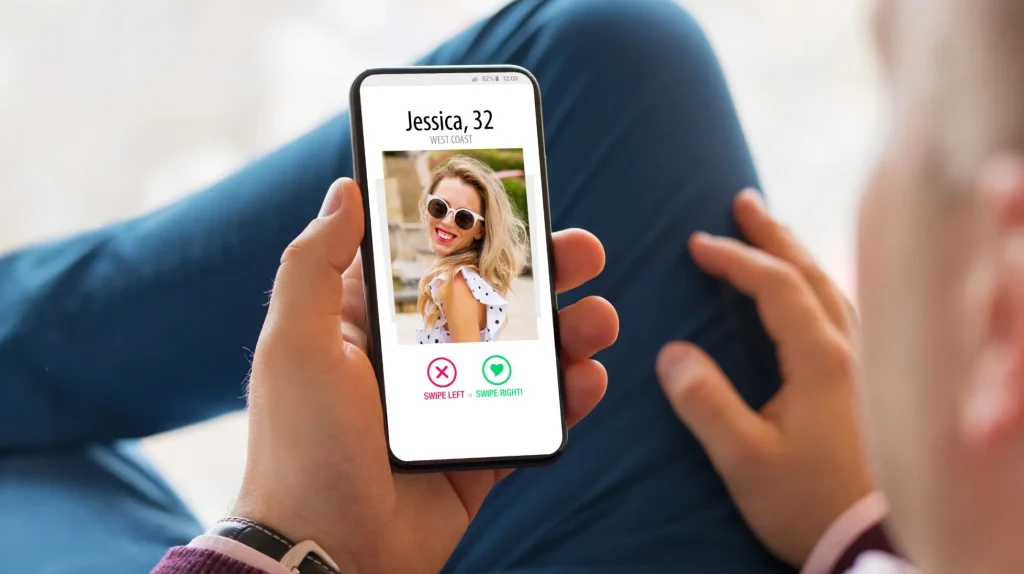
- Swiping and Matching: The swipe model pioneered by Tinder still works. Tweaks or new animations can help your app stand out.
- In-App Messaging: After a mutual match, users expect secure, lag-free, mobile-friendly chat.
- Geolocation: Matching nearby users increases relevance and leads to more real connections.
- Push Notifications: Alerts for new matches or messages drive users back to your app.
Advanced Features for User Retention

Retaining users and boosting daily activity requires more:
- AI-Driven Matchmaking: Use algorithms that consider past behaviors, shared interests, and user activity for better match suggestions.
- Video Profiles and Live Chat: Video features reduce catfishing and keep conversations engaging.
- Premium Upgrades: Features like Boosts, Super Likes, or ‘See Who Liked You’ can drive revenue without harming user experience.
- Safety Features: AI moderation, user verification, and robust reporting tools are essential for user safety.
Comparing Key Features in Leading Dating Apps
| Feature | Tinder | Bumble | Hinge | Happn | Cubix Tinder Clone |
| Swiping | Yes | Yes | Yes | Yes | Yes |
| Video Chat | Yes | Yes | Yes | No | Yes (HD, encrypted) |
| AI Matchmaking | Basic | Advanced | Advanced | Basic | Customizable, scalable |
| Geolocation | Yes | Yes | Yes | Yes | Yes (multi-geo) |
| Custom Branding | No | No | No | No | Yes (white-label) |
Enhancing core features with better security or smarter recommendations sets your app apart from global competitors.
User Experience and Interface Design
Interface quality often decides whether users stay or leave. Fast, simple navigation and a visually appealing layout are critical.

Use swipeable cards, bold buttons, and modern icons. Add dark mode and color-blind accessibility options for a broader audience. Micro-animations like hearts or confetti after a match create a lively, fun feel.
Build inclusivity into your design. Support different identities, orientations, and accessibility needs to ensure everyone feels welcome.
Technology Stack for Dating App Development
Building a modern dating app requires a multi-layered technology stack to handle cross-platform client interfaces, high-concurrency real-time messaging, geospatial matching queries, and secure cloud storage.
Frontend and Backend Technologies
Picking the right tech stack makes your app fast, reliable, and easier to update.
- Frontend: React Native and Flutter handle cross-platform needs well. For native performance, use Swift for iOS and Kotlin for Android.
- Backend: Node.js offers fast, asynchronous services. Python with Django or FastAPI enables rapid backend development. Firebase is ideal for quick prototypes and real-time features.
- Realtime Chat: You can use Twilio chat APIs, Firebase Real-Time Database, or custom WebSocket implementations.
- Databases: PostgreSQL handles structured data, MongoDB fits flexible schemas, and DynamoDB supports high scalability for NoSQL needs.
Infrastructure and Scalability
- Cloud: Opt for AWS, Google Cloud, or Microsoft Azure to ensure automated scaling and compliance.
- Media Storage: Choose AWS S3, Google Cloud Storage, or a CDN for storing images, video, and audio.
- Security: OAuth 2.0 is the standard for authentication. Add two-factor authentication and encrypt both user data and chats.
Comparing Popular Tech Stacks for Dating Apps
| Component | Option 1 | Option 2 | Option 3 |
| Frontend | React Native | Flutter | Swift/Kotlin |
| Backend | Node.js | Django | Firebase |
| Database | PostgreSQL | MongoDB | DynamoDB |
| Real-Time Chat | Twilio | Firebase | WebSockets |
Using proven frameworks and major cloud providers helps your app handle growth smoothly.
Matching Algorithms and Personalization For Dating App Like Tinder

Tinder’s swipe model changed the industry, yet users now expect more than random matches.
Today’s leading dating apps use AI and machine learning to analyze preferences, swipe habits, and even chat content. Algorithms might consider hobbies, interests, and social networks to suggest better matches.
Privacy matters. Only gather data you truly need. Give users control over what data is used, allow opt-outs, and explain how matching works. Clear communication about your app’s algorithms builds trust and reduces bias.
Monetization Strategies for Dating Apps
The most profitable dating apps use a blend of paid features and subscriptions. In 2025, nearly 70% of dating app revenue came from paid subscriptions and upgrades.
- Freemium Model: Offer core features for free, but place extras like undoing swipes or seeing interested users behind a paywall.
- Subscription Tiers: Monthly or annual plans unlock exclusive advantages for paying members.
- In-App Purchases: Sell coins, boosts, or special gifts directly in the app.
- Ads: Apps with a large free user base add banner or video ads for extra income.
- Brand Partnerships: Run sponsored profiles, in-app events, or real-life meetups for added revenue.
Monetization Models and Revenue Streams
| Model | Description | Example Apps | Revenue Potential |
| Freemium | Free core, paid upgrades | Tinder, Bumble | High |
| Ads | Banner/video ads | Plenty of Fish | Moderate |
| In-app Purchases | Coins, boosts, gifts | Tinder, Badoo | High |
| Subscription | Monthly/annual access | Hinge, Match | Very High |
Mixing a freemium approach with premium features helps you build scale while maximizing revenue from your most active users.
Security, Privacy, and Compliance
Protection of user data is essential. Start with multi-step authentication using phone, email, and social sign-ins. Add two-factor authentication for sensitive features.
You need end-to-end encryption for messages and encrypted storage for photos and profile details. Use secure tokens or anonymized IDs for referencing users internally.
Follow rules like GDPR and CCPA closely. This means transparent privacy policies, easy opt-in and opt-out, user data deletion, and age checks.
Give users simple tools to report abuse and block offenders. Use AI moderation and real-time filters to catch scams and inappropriate content. Fast support and clear safety policies keep users trusting your platform.
Step-by-Step Guide to Building a Dating App Like Tinder
Building a dating app like Tinder requires planning a minimum viable product (MVP) featuring user authentication, geolocation, swipe mechanics, and real-time chat.
1. Ideation and Market Research
Define your target audience. Are you building for city professionals, travelers, or a hobbyist group? Identify your unique point of difference. Map out competitors and look for gaps.
2. Feature Planning and Wireframing
Decide which features are core and which will come later. Map user flows for sign up, matching, chatting, and premium features. Create wireframes to refine design and navigation before development.
3. Design and Prototyping
Leverage modern UI/UX tools for interactive prototypes. Gather feedback early through surveys or targeted user focus groups. Iterate based on what real users say.
4. Development and Testing
Choose your tech stack—React Native and Node.js for speed across platforms, or go native for maximum control. Build features in agile sprints. Run tests across different devices and scenarios to catch bugs early.
5. Launch and Marketing
Get ready for app store submission. Make sure your app meets all requirements for onboarding, design, and privacy. Set up marketing plans: buzz before launch, influencer outreach, and targeted ads. Track active users and sign-up rates from day one.
How Long Does It Take to Build A Dating App Like Tinder
Building a dating app like Tinder typically takes 20-35 weeks, depending on features, platform, design, and team size. A basic MVP can launch faster, while AI matchmaking, geolocation, video chat, and real-time messaging may extend the timeline.
| Phase | Timeline (Weeks) | Key Deliverables |
| Ideation/Research | 2-3 | Market analysis, personas |
| Wireframing/Design | 4-6 | Wireframes, prototypes |
| Development | 10-16 | MVP, feature sprints |
| Testing/QA | 4-6 | Bug fixes, user feedback |
| Launch/Marketing | 2-4 | App submission, campaigns |
Most teams find that launching quickly and updating often delivers better results than waiting for a perfect product.
Cost to Build a Dating App Like Tinder
Building a Tinder-like app costs more as features, team size, and regions increase. For a basic MVP such as profiles, matching, chat, geolocation, and moderation, expect $64,000 to $132,000. More advanced features like AI, video, or global support can push your budget past $200,000.
| Component | Estimated Cost (USD) |
| UI/UX Design | $8,000 – $15,000 |
| Frontend Development | $20,000 – $40,000 |
| Backend Development | $25,000 – $50,000 |
| QA & Testing | $6,000 – $12,000 |
| Launch & Marketing | $5,000 – $15,000 |
| Total (MVP) | $64,000 – $132,000 |
- UI/UX Design: $8,000 to $15,000 for research, design, and wireframes.
- Frontend Development: $20,000 to $40,000 for iOS, Android, or cross-platform builds.
- Backend Development: $25,000 to $50,000 to power data, chat, and core logic.
- QA & Testing: $6,000 to $12,000 for real-device testing.
- Launch & Marketing: $5,000 to $15,000 for campaigns and app store optimization.
Plan for ongoing costs like cloud hosting, maintenance, and user support as well.
Mobile App Security and Best Practices
Dating apps hold personal and sensitive data. Protect users by:
- Using strong authentication like OAuth 2.0 and two-factor methods
- Encrypting all data, especially photos and chats, in storage and transit
- Running regular security audits and vulnerability scans
- Keeping libraries and frameworks updated to fix security issues
- Monitoring for suspicious activity and alerting admins quickly
- Collecting only data needed for your app’s features
For a full breakdown, review mobile app security best practices.
Common Challenges in Dating App Development
Building a dating app in 2026 brings both opportunity and hurdles.
- User Acquisition: Growth has slowed, making it tough to attract the first wave of users. Niche focus, viral campaigns, and referral bonuses are effective strategies.
- Scaling: If your app takes off, infrastructure must keep up. Plan for cloud scaling and load balancing from the start.
- Spam and Fake Profiles: Bots and scammers persist. Use AI fraud detection, strict verification, and continuous moderation to protect real users.
- Retention and Engagement: The best apps provide ongoing value, release frequent updates, and add creative engagement features to boost daily use.
Staying agile and ready to adapt is key to overcoming these challenges.
Dating App Ideas and Innovations for Startups
The dating sector still has room for fresh ideas.
- Niche Dating: Apps targeting professions, communities, or causes improve matching and safety.
- Gamification: Daily quizzes, interactive prompts, and mini-games drive engagement.
- AI and Behavioral Insights: Enhanced match scoring and predictive analytics improve real-life results.
- AR/VR Dating: Host virtual dates or immersive events as alternatives to video calls.
- Live Events and Audio Rooms: Enable in-app speed dating, voice chats, or topic-based groups.
For more, browse dating app ideas that mix new tech with evolving user needs.
Why Cubix Is Your Best Partner for Dating App Development
Bringing a dating app concept to market demands more than just code. You need a team that understands dating, social platforms, and monetization. Cubix delivers complete mobile app development services for startups and brands focused on dating and social networking.
- All-in-One Production: Cubix handles everything from app design and development to QA and post-launch support for iOS, Android, and web.
- AI Matchmaking Solutions: Proprietary recommendation engines tailored to your audience and business goals.
- Cloud-Native Scaling: Build on AWS, Azure, or Google Cloud, with multi-region support and fast media delivery for location-based features.
- Serious Security: End-to-end chat encryption, two-factor authentication, and built-in moderation keep your users protected.
- Full Technology Coverage: Cubix’s teams are skilled in React Native, Flutter, Node.js, Python, and other leading tools.
- Proven Track Record: Cubix has launched real-world matchmaking and social apps that scale, retain users, and grow after launch.
- Lifecycle Support: Get guidance from idea and market research through launch, scaling, and future updates.
If you want a Tinder clone, niche community, or game-changing dating app, Cubix brings real technical depth and market delivery to your project. Learn more about how to create a dating app like Tinder with Cubix here.
Want to discuss your project? Our experts are just a click away.
Contact UsFrequently Asked Questions
1. How much does it cost to build a dating app like Tinder?
Developing a dating app with core features usually costs $64,000 to $132,000 for an MVP. Advanced features and broader support can increase the budget.
2. What features are essential for a Tinder-like dating app?
Profile creation, photo uploads, swipe-based matching, geolocation, in-app messaging, notifications, and solid moderation tools are all essential.
3. What is the estimated time to design and launch a dating app?
A dating app typically takes 20-35 weeks to design, develop, test, and launch.
The timeline depends on features, platforms, and app complexity.
4. What technologies are best for dating app development in 2026?
React Native, Flutter, Swift, and Kotlin are top frontend choices. On the backend, Node.js, Python, and Firebase remain popular, with PostgreSQL, DynamoDB, or MongoDB for databases.
5. How do dating apps ensure user safety and privacy?
Modern apps use strong authentication, end-to-end encryption, moderation tools, and strict compliance with privacy regulations. Two-factor authentication and encrypted messaging are standard.
6. What are the top monetization strategies for dating apps?
Freemium access, paid upgrades, subscriptions, in-app purchases, ads, and sponsor partnerships are the main ways dating apps earn revenue.
7. How do I ensure my dating app is secure and user data is protected?
Use encryption, secure authentication, 2FA, and regular security testing. Privacy controls and moderation tools also help protect users.
8. How customizable are the design elements for personalizing my dating app?
You can customize colors, layouts, branding, profiles, icons, and animations. This helps create a unique experience for your target audience.
9. Will my dating app be fully responsive across Android and iOS?
Yes, your dating app can be optimized for Android and iOS. Flutter, React Native, Swift, and Kotlin can support cross-platform or native development