Key Takeaways
- Mobile game development blends coding, art, sound, and monetization design into one process.
- Unity, Unreal Engine, and Godot power most of the mobile games you play today.
- Costs can range from a few thousand dollars to hundreds of thousands, depending on scope.
- iOS and Android each come with their own rules, but cross-platform development is now the norm.
- The right mobile game development company, like Cubix, cuts risk and speeds up your launch.
The global mobile gaming market is set to cross $137 billion in 2026. That’s not a typo. Mobile games now earn more than console and PC games combined.
Here’s the part nobody likes to admit, most game ideas never make it past the prototype stage. Even the ones that launch often vanish within weeks, buried under thousands of new releases.
So what separates a hit from a forgotten download? Usually, it comes down to a handful of decisions made early: which engine to use, which platform to build first, and how the game will actually make money. This guide walks you through all of it, in plain English. And if you’d rather skip the guesswork, mobile game development services from a team like Cubix can handle the heavy lifting for you.
Want to discuss your project? Our experts are just a click away.
Contact UsWhat Is Mobile Game Development?
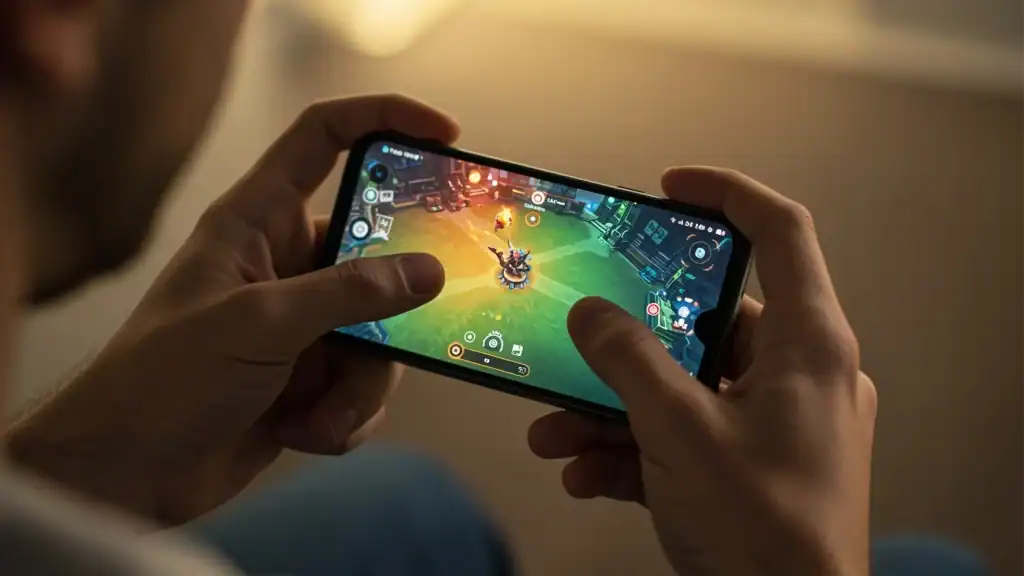
Mobile game development is the process of building games for phones and tablets. It uses engines like Unity, Unreal Engine, or Godot, and it blends several skills together: coding, art, sound design, animation, and monetization planning.
Mobile gaming isn’t a side hustle anymore. It’s the biggest slice of the gaming industry. Mobile now makes up about 49% of all gaming revenue worldwide, ahead of console and PC combined.
Building a mobile game is different from building for PC or console in a few key ways:
- Touch is the only input. No controller, no keyboard. Just fingers on glass.
- Sessions are short. Most people play in 5 to 10 minute bursts between other things.
- Performance has to hold up everywhere. Your game needs to run smoothly on a five-year-old budget phone and a brand-new flagship, without draining the battery.
In short, mobile game development is about respecting people’s time and their device, while still giving them a reason to come back tomorrow.
How Mobile Games Are Developed: The Process
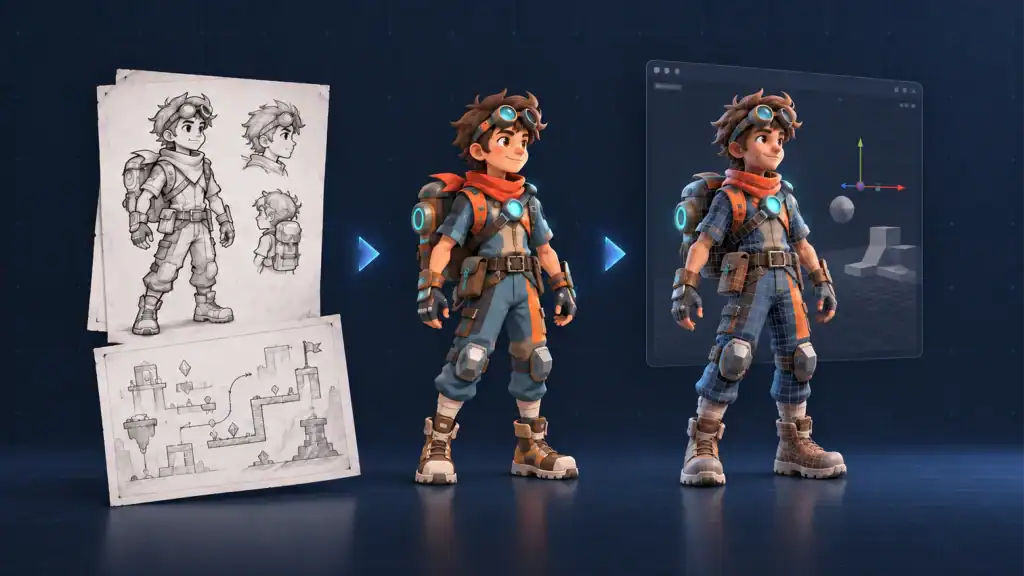
Most studios start with a Game Design Document, or GDD. It’s the blueprint that keeps everyone aligned before a single line of code gets written. Here’s how the mobile game development process usually unfolds.
1. Discovery and Requirements Gathering
This is where you define the “why.” Who’s the audience? What’s the core idea? What platforms matter most? Getting this right early saves a lot of pain later.
2. Pre-Production and Prototyping
The team builds a playable prototype focused on the core loop, the one action players will repeat again and again. In Candy Crush, that loop is matching candies to clear a level.
3. Game Design and UI/UX
This stage shapes how the game feels. Level design, difficulty curves, progression systems, all of it gets built here. On mobile, UI also has to work for thumbs, not mice.
4. Art and Asset Production
Characters, environments, animations, sound, music. This is where the game gets its personality. The tricky part is keeping visuals sharp without overloading mobile hardware.
5. Development and Engineering
This is where everything comes together in code. Engineers wire up gameplay systems, connect analytics, and hook in monetization SDKs.
6. Mobile Game Testing and QA
Ever notice how some games crash constantly while others just work? That’s testing. A game might run perfectly in a simulator and completely fail on a two-year-old Android phone. Studios that skip real-device testing pay for it later. In fact, the median mobile game only holds onto about 22% of players by day one, and top-performing titles hit 25 to 33%. Testing and onboarding quality is a big reason why.
7. Deployment and App Store Submission
Store listings, screenshots, preview videos, all optimized for discovery. Apple’s review process can take a few days. Google’s is usually faster.
Mobile Game Development Engines and Tools
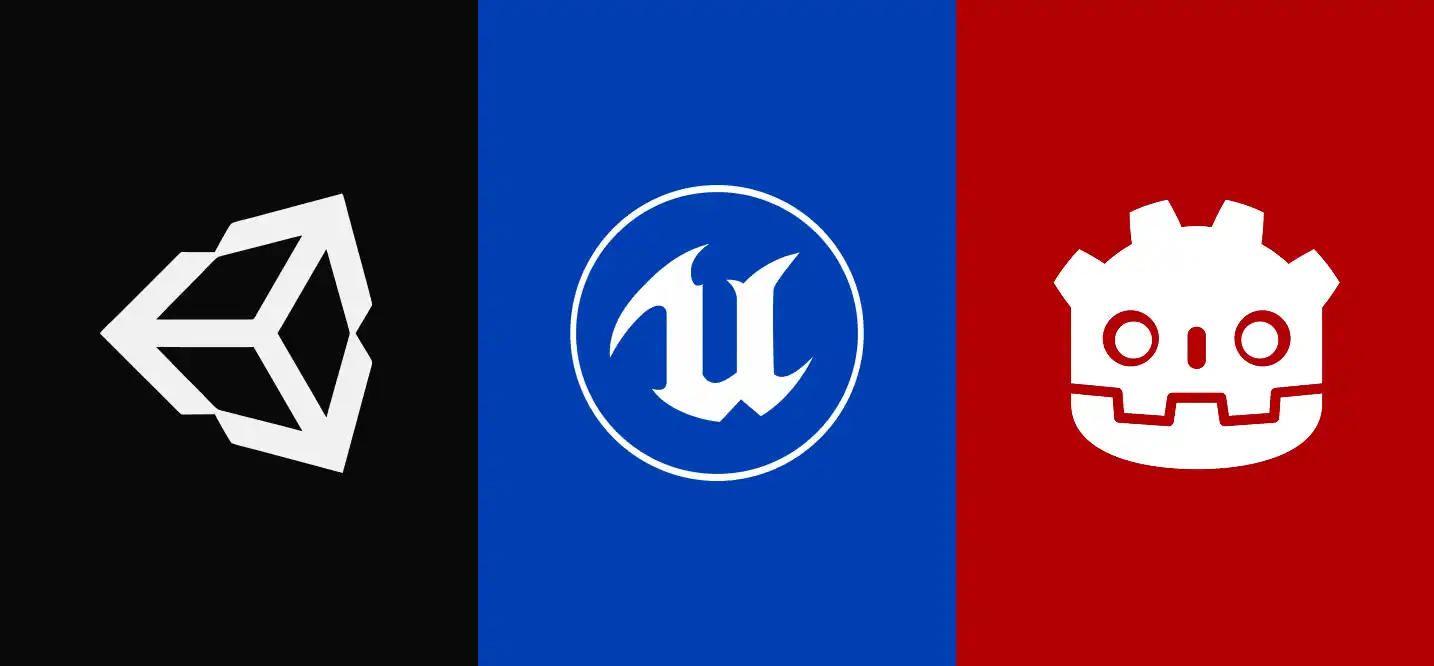
Your choice of engine shapes almost everything that follows. Here’s a quick side-by-side.
Game Engine Comparison
| Engine | Best For | Language | 2D/3D Support |
| Unity | Most mobile games | C# | Both |
| Unreal Engine | High-end 3D visuals | C++ / Blueprints | Mostly 3D |
| Godot | Indie teams, free & open-source | GDScript / C# | Both |
Unity Mobile Game Development
Unity powers over 70% of the top 1,000 mobile games worldwide. That’s not a small margin. Its asset store, cross-platform support, and gentle learning curve make it the default choice for most studios. Want a deeper look? Here’s our full Unity game development guide.
Unreal Engine Mobile Game Development
Unreal shines when visuals matter most. Its Blueprint system lets designers build logic without writing code, while C++ gives engineers the performance headroom for graphically demanding games. The trade-off? A steeper learning curve and bigger build sizes.
Godot
Godot is free, open-source, and increasingly popular with smaller teams and solo developers who want full control without licensing fees.
IOS vs Android vs Cross-Platform Mobile Game Development
Platform choice affects your audience, your revenue model, and your testing workload. Let’s break it down.
iOS vs Android at a Glance
| Factor | iOS | Android |
| Primary Language | Swift | Kotlin / Java |
| Review Process | Slower, stricter | Faster, more lenient |
| Player Base | Smaller, higher spend | Larger, more global |
| Revenue Share | ~55% of mobile revenue | ~70% of global players |
iOS Game Development
iOS game development is built with Swift and tested through Xcode. iOS players spend more per user on average, which makes the platform attractive for premium and freemium titles.
Android Game Development
Android game development typically uses Kotlin or Java. Android’s reach is massive, especially in emerging markets, but device fragmentation makes QA more demanding. Thousands of device configurations exist across brands and price points.
Cross-Platform Mobile Game Development
Cross-platform development, usually through Unity, lets you build once and ship to both stores. It saves time and money, and for most mobile games, it’s now the default approach rather than the exception.
2D vs 3D Mobile Game Development
Not every game needs 3D graphics to succeed. In fact, hyper-casual games, most of them 2D, make up about 30% of all mobile game downloads worldwide.
2D vs 3D Comparison
| Factor | 2D Development | 3D Development |
| Typical Cost | Lower | Higher |
| Development Time | Shorter | Longer |
| Common Genres | Puzzle, casual, hyper-casual | Action, RPG, racing |
| Hardware Demand | Light | Heavy |
Choosing between 2D and 3D mobile game development usually comes down to genre and budget, not personal preference. A puzzle game rarely needs 3D. A racing game usually does.
Mobile Game Development Technologies
The modern mobile game stack covers a lot of ground:
- Core languages: C#, C++, Java, Kotlin, JavaScript
- Engines and frameworks: Unity and Unreal Engine dominate, while React Native and Flutter support companion apps
- Backend and cloud: Firebase, PlayFab, and AWS handle multiplayer sync, cloud saves, and LiveOps
- Monetization and analytics SDKs: Unity Ads, Google AdMob, and ironSource track player behavior and manage ad revenue
This stack is also what makes mobile game scalability possible once your player count starts climbing fast.
Mobile Multiplayer Game Development
Multiplayer changes the equation. You’re no longer just building a game, you’re building a live service. That means real-time servers, matchmaking, anti-cheat systems, and constant uptime monitoring.
Backend costs for multiplayer titles run higher than single-player games, often by a significant margin. Cloud services like PlayFab and AWS GameLift are built specifically to handle this kind of scale, so most studios lean on them rather than building server infrastructure from scratch.
How Much Does Mobile Game Development Cost?
This is usually the first question founders ask, and fairly so.
Mobile Game Development Cost by Complexity
| Game Type | Cost Range | Typical Timeline |
| Simple 2D casual game | $15,000 – $50,000 | 2–4 months |
| Mid-complexity 2D/3D game | $50,000 – $150,000 | 4–8 months |
| Multiplayer 3D game | $150,000 – $500,000+ | 8–14 months |
Outsourced full-cycle development often lands in the $20,000 to $250,000 range, depending on scope, platform count, and feature depth. Budget alone won’t guarantee success, though. Fast iteration and early monetization planning matter just as much as the number on the invoice.
Mobile Game Monetization Strategies
Monetization isn’t something you bolt on after launch. It shapes your economy, your progression pacing, and even your level design, so it needs to be planned early.
- In-app purchases (IAP): Players buy currency, power-ups, or cosmetics. Still the biggest revenue driver, accounting for about 62% of total mobile game revenue.
- In-app advertising: Rewarded videos, interstitials, and banner ads bring in roughly 26% of revenue and work well for players who won’t pay directly.
- Subscriptions: Ongoing access for a recurring fee, used by services like Apple Arcade, making up around 12% of revenue.
- Premium downloads: A one-time purchase price, less common now, but still viable for narrative or puzzle games.
Launching, Growing, and Supporting a Mobile Game
Development is only half the job. Getting players to find your game, and keeping them around, takes ongoing work.
- App Store Optimization (ASO): keyword placement, strong screenshots, and good ratings all drive organic downloads.
- User acquisition: paid ads on Meta, Google, and TikTok, balanced carefully against player lifetime value.
- Retention tactics: daily rewards, limited-time events, push notifications, and social features like leaderboards.
- LiveOps: ongoing updates, seasonal events, balance patches, and server maintenance that keep a game alive for years, not weeks.
Games like Clash Royale and Genshin Impact are still thriving years after launch, largely because of consistent LiveOps investment, not luck.
Mobile Game Development Outsourcing: Is It Worth It?
Building an entire game in-house isn’t always realistic, especially for startups. That’s why outsourcing has become the default rather than the exception. About 68% of studios now outsource at least part of their development, and the global mobile game outsourcing market is projected to grow from $2.21 billion in 2026 to $7.23 billion by 2035.
Outsourcing works well when you need to:
- Scale up quickly for a content push without hiring full-time staff
- Add specialized skills, like 3D art or multiplayer backend engineering
- Keep your core team focused on gameplay while a partner handles art, QA, or LiveOps
The tricky part is picking the right partner. That’s exactly where a lot of founders get stuck, and it’s worth reading about common game development planning mistakes before you sign anything.
How to Choose a Mobile Game Development Company

A few things worth checking before you commit to a partner:
- Portfolio and experience. Look for games similar to yours in genre and scope, not just impressive screenshots.
- Engine expertise. A Unity-heavy studio may not be the right fit for a graphically demanding Unreal project.
- Process transparency. Clear milestones and regular check-ins matter more than flashy pitch decks.
- Post-launch support. Ask directly whether they offer LiveOps and ongoing maintenance, or if they disappear after launch day.
For a broader look at what separates a good partnership from a bad one, our game development guide covers the full picture, and our notes on successful mobile game development dig into what winning teams actually do differently.
Why Work With Cubix for Mobile Game Development
Cubix has spent years building mobile games across genres, platforms, and engines. That includes full support for iOS game development and Android game development, so you’re not stuck choosing one platform over the other.
The team works across Unity, Unreal Engine, and Godot, depending on what your game actually needs, not what’s easiest to sell. Art, engineering, and QA sit under one roof instead of being scattered across vendors, which keeps communication simple and timelines realistic.
Multiplayer backend, LiveOps, monetization design, Cubix treats all of it as part of the core process, not an afterthought bolted on after launch.
Get Started With Cubix’s Mobile Game Development Services
If you’ve got a concept and need a team that can take it from idea to app store, Cubix’s mobile game development services cover the entire journey: design, engineering, testing, and post-launch support.
No two games are the same, so the process starts with a conversation about your goals, your budget, and your timeline. From there, Cubix builds a roadmap that fits your game, not a generic template.
Want to discuss your project? Our experts are just a click away.
Contact UsFrequently Asked Questions
1. How much does it cost to develop a mobile game for iOS and Android?
Costs typically range from $15,000 for a simple 2D casual game to $500,000 or more for a multiplayer 3D title. Supporting both iOS and Android usually adds to testing and QA costs, but cross-platform engines like Unity keep that increase manageable.
2. How long does a mobile game development project typically take?
Simple casual games often take 2 to 4 months. Mid-complexity titles run 4 to 8 months. Multiplayer or graphically heavy 3D games can take 8 to 14 months or longer, especially with a soft launch period built in.
3. Which mobile game development company is best for a commercial game project?
The best fit depends on your genre, engine preference, and budget. Look for a studio with a proven portfolio in your genre, in-house art and QA capability, and clear post-launch support, which is exactly what Cubix offers.
4. Is Unity or Unreal Engine a better choice for a mobile game?
Unity is the better fit for most mobile games, thanks to its speed, cross-platform support, and lower hardware demands. Unreal Engine makes more sense when a game needs top-tier 3D visuals and the team has the technical depth to support it.
5. Should a mobile game be developed for iOS and Android at the same time?
For most teams, yes. Cross-platform engines like Unity make simultaneous development efficient, and launching on both stores at once maximizes your reach from day one instead of splitting your audience across two release dates.
6. What should businesses evaluate when selecting a mobile game development partner?
Check their portfolio, engine expertise, communication style, and post-launch support capabilities. A studio that vanishes after launch isn’t a good fit if you’re planning ongoing updates or a games-as-a-service model.