Key Takeaways
- The best mobile app ideas for 2026 solve real user problems, meet market demand, and offer a clear path to monetization.
- AI assistants, photo and video editing tools, personal finance apps, and niche marketplaces offer opportunities for new mobile applications.
- Validate your idea through customer discovery, competitor research, and willingness-to-pay tests before investing in development.
- Start with a minimum viable product (MVP) to test core features, collect user feedback, and measure retention.
- Stand out from established competitors by targeting a specific audience, strengthening your value proposition, and improving app store visibility.
Finding the right app idea starts with identifying a problem people want solved. This guide covers the best mobile app ideas for 2026, from AI-powered tools to niche marketplaces, along with practical ways to assess demand, validate your concept, and plan development.
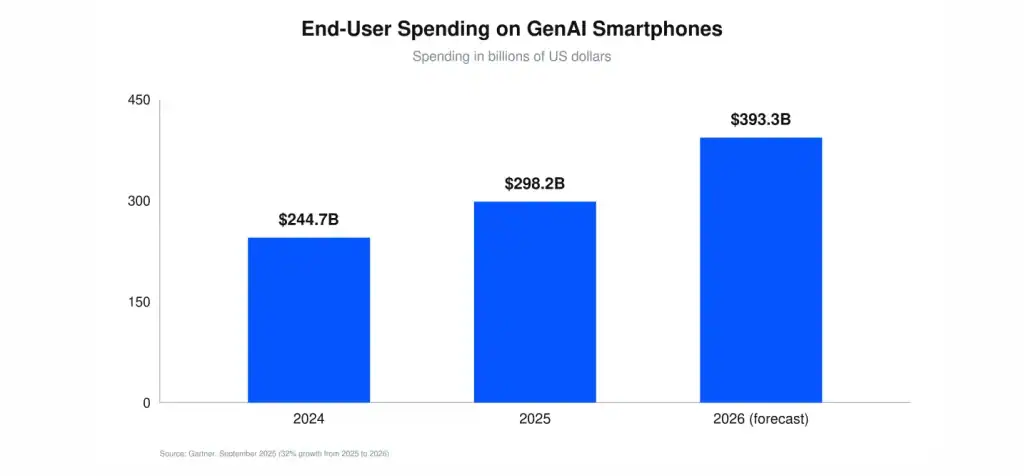
AI is creating new opportunities for mobile app developers. According to Gartner, worldwide end-user spending on generative AI smartphones was forecast to reach $393.3 billion in 2026, reflecting growing interest in AI-enabled mobile experiences.
For entrepreneurs, this creates opportunities to build apps that personalize services, automate everyday tasks, and simplify complex workflows. However, a promising concept also needs a clear target audience, a viable revenue model, and a reason for users to choose it over existing alternatives.
Working with an experienced mobile app development company can help you assess technical requirements, choose the right platform, and plan a realistic development budget before committing to a full build.
What Makes a Mobile App Idea Worth Building in 2026?
A promising mobile app idea solves a specific problem for a clearly defined audience and offers a practical way to generate revenue. Emerging technology can create new opportunities, but long-term success depends on whether people need the product and continue using it.
The top mobile app concepts for 2026 share four important characteristics:
- A clear user problem: The app addresses a recurring frustration, unmet need, or task that existing solutions handle poorly.
- Consistent demand: The target audience has a reason to use the app regularly, whether for work, learning, finances, health, or entertainment.
- A viable revenue model: Subscriptions, in-app purchases, advertising, or transaction fees offer a realistic path to generating revenue.
- A distinct value proposition: The app offers a meaningful advantage through its features, user experience, specialization, or pricing.
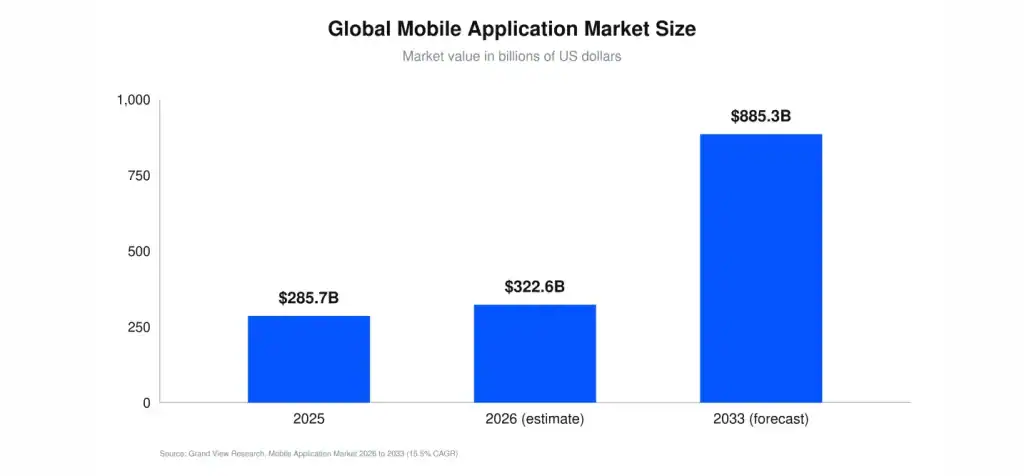
Market potential is another important consideration. Grand View Research estimated the global mobile application market at $285.7 billion in 2025 and projected it to reach $885.3 billion by 2033, with a compound annual growth rate of 15.5% from 2026 to 2033.
Before investing in development, research your target audience, compare existing products, and test whether potential users are willing to pay for your solution. This approach helps you identify high-potential mobile app ideas based on real demand rather than assumptions.
25+ Best Mobile App Ideas for 2026
From AI-powered tools and personal finance apps to niche marketplaces and digital wellness platforms, these mobile app ideas for 2026 offer opportunities for startups, entrepreneurs, and established businesses. The key is to identify an unmet user need and build a product that delivers clear value.
1. Generative AI Assistant Apps
Generative AI assistants write, summarize, translate, and answer questions inside one chat screen. Niche versions perform best, such as an assistant for lawyers, teachers, or small shop owners.
- Audience: Professionals and students
- Revenue: Monthly subscription with a free tier
- Build note: Add on-device processing for speed and privacy
Read more about AI features for mobile apps before you plan your feature set.
2. AI Photo Editing Apps
AI Photo Editing Apps remove backgrounds, fix lighting, and restyle images in one tap. Sellers, social media users, and small brands use them daily.
- Audience: Online sellers, creators, casual users
- Revenue: Credit packs or weekly subscription
- Differentiator: Focus on one job, such as product photos
3. AI Video Creation Apps
AI Video Creation Apps turn text or raw clips into short videos with captions and music. Short video demand stays high across every social platform.
- Audience: Marketers, creators, local businesses
- Revenue: Export limits, watermark removal, premium templates
- Differentiator: Templates built for one industry
4. Personal Finance and Budgeting Apps
Personal finance apps track spending, flag unused subscriptions, and set savings goals. Add automatic categorization to cut manual entry.
- Audience: Young adults and freelancers with irregular income
- Revenue: Premium insights and partner referrals
- Build note: Bank connection security comes first
5. Microlearning and Skill Development Apps
Microlearning apps teach one skill in five minute lessons. Users finish more lessons when each one is short.
- Audience: Working adults
- Revenue: Subscription or course bundles
- Ideas: Coding basics, sales scripts, safety training
6. Mental Wellness and Self-Care Apps
Mental wellness apps offer guided breathing, mood logs, and sleep sounds. Keep claims modest and avoid medical promises.
- Audience: Stressed professionals and students
- Revenue: Subscription and employer plans
- Build note: Encrypt all journal entries
7. Habit Tracking and Productivity Apps
Habit tracking apps use streaks, reminders, and simple charts to build routines. Pair a tracker with a task planner to raise daily opens.
- Audience: Self-improvement users
- Revenue: Premium themes, widgets, and analytics
- Differentiator: One habit area, such as study or fitness
8. Creator Economy and Content Monetization Apps
Creator economy apps help artists, coaches, and writers sell memberships, courses, and tips. Creators want fewer tools and lower fees.
- Audience: Independent creators
- Revenue: Platform fee on each sale
- Build note: Fast payouts attract creators
9. Hyperlocal Marketplace Apps
A hyperlocal marketplace connects buyers with sellers inside one neighborhood or city. Think fresh food, home repairs, or used furniture within a few kilometers.
- Audience: Local shoppers and small sellers
- Revenue: Commission and promoted listings
- Build note: Start in one city, then expand
Property is a close cousin of this model. See our guide to real estate app development for related features.
10. Sustainable Living and Eco-Friendly Apps
Sustainable living apps show a user’s carbon footprint and suggest swaps. Add local recycling maps and refill store finders.
- Audience: Eco conscious households
- Revenue: Subscription and brand partnerships
- Differentiator: Verified, local data
11. Personalized Fitness and Nutrition Apps
These apps build workout and meal plans from wearable data. Adjust each plan weekly based on progress.
- Audience: Gym goers and home exercisers
- Revenue: Subscription and coach marketplace
- Build note: Integrate Apple Health and Google Health Connect
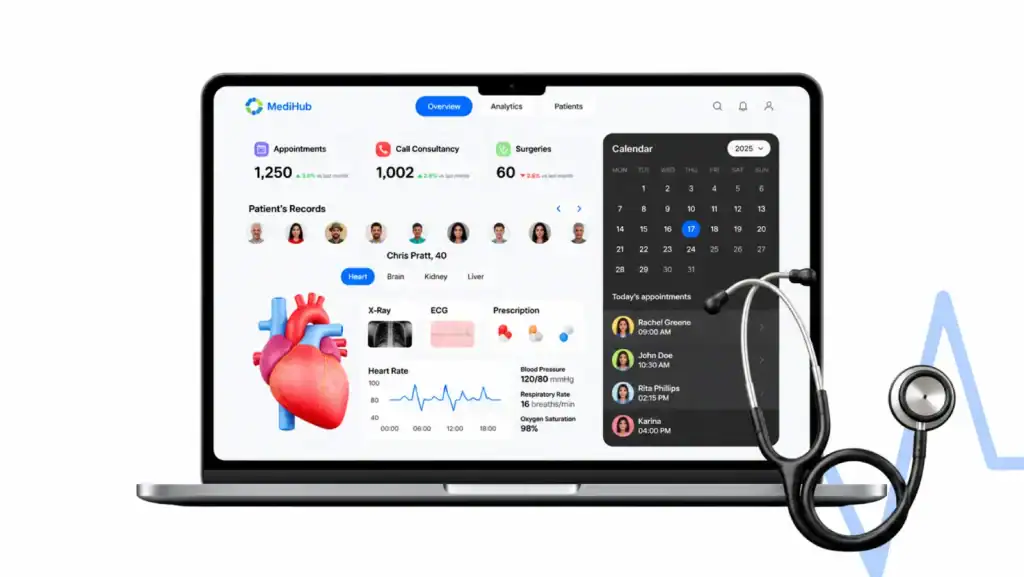
12. Telehealth and Digital Healthcare Apps
Telehealth apps book video visits, store records, and send medicine reminders. Rules vary by country, so check data protection law early.
- Audience: Patients and clinics
- Revenue: Visit fees, clinic subscriptions
- Build note: Secure video and consent flows
13. Smart Travel Planning Apps
A travel app builds a full itinerary from budget, dates, and interests. Add offline maps and live price alerts. Review current travel app features and trends to see what users expect.
- Audience: Independent travelers
- Revenue: Booking commissions and premium plans
14. AI-Powered Education Apps
A personal AI tutor explains a topic, quizzes the student, and adapts to mistakes. Focus on one exam or subject for a stronger result.
- Audience: Students and parents
- Revenue: Subscription per subject
15. Freelance and Gig Economy Apps
Match skilled workers with short jobs in one trade. Add escrow payments so both sides trust the deal.
- Audience: Freelancers and small businesses
- Revenue: Service fee on each job
16. Food Discovery and Meal Planning Apps
Users scan their fridge, and the app suggests recipes and grocery lists. Add dietary filters for allergies and religious needs.
- Audience: Busy families
- Revenue: Grocery partnerships and premium plans
17. Pet Care and Veterinary Booking Apps
Pet owners book vet visits, track vaccines, and order food. Add reminders for every pet in the household.
- Audience: Pet owners and clinics
- Revenue: Booking fees and clinic subscriptions
18. Smart Home Management Apps
One app controls lights, locks, cameras, and energy use across brands. This is one of the strongest future mobile app ideas because home devices keep multiplying.
- Audience: Homeowners and renters
- Revenue: Premium automation and energy reports
19. Language Learning Apps
Offer speaking practice with an AI partner and instant pronunciation feedback. Choose a narrow goal, such as medical English or business Spanish.
- Audience: Travelers, workers, students
- Revenue: Subscription
20. Social Networking Apps for Niche Communities
Large networks feel crowded. Small ones for gardeners, runners, or board game fans keep users engaged. These creative mobile app concepts grow through tight communities, not mass reach.
- Audience: Hobby groups
- Revenue: Memberships and event tickets
21. AR-Based Shopping Apps
Users place furniture in their room or try on glasses through the camera. These unique mobile application ideas cut returns for retailers.
- Audience: Online shoppers and retailers
- Revenue: Retailer subscription
22. Subscription Management Apps
The app lists every recurring charge and warns before renewals. Many users pay for services they forget.
- Audience: Budget conscious adults
- Revenue: Premium alerts and cancellation help
23. Local Service Booking Apps
Book plumbers, tutors, salons, and cleaners with live availability. Ratings and verified profiles build trust.
- Audience: Households and service providers
- Revenue: Commission per booking
24. Personal Safety and Emergency Assistance Apps
Share live location with trusted contacts and trigger an alert with one tap. Add automatic check-ins for late night trips.
- Audience: Students, commuters, travelers
- Revenue: Family plans
25. AI-Powered Career Development Apps
Build resumes, practice interviews, and track applications in one place. The app scores answers and suggests fixes.
- Audience: Job seekers
- Revenue: Subscription and recruiter listings
26. Secondhand Shopping and Resale Apps
Users list items with one photo, and AI writes the title and price. Resale keeps growing as buyers look for lower prices.
- Audience: Budget shoppers and sellers
- Revenue: Seller fee
27. Event Discovery and Community Apps
Show local concerts, meetups, and workshops based on interests. Add group chat for each event.
- Audience: Young adults and organizers
- Revenue: Ticket fees and promoted events
Which Ideas Look Strongest?
The best mobile app ideas for 2026 combine a clear niche with a payment model users already accept. Startups often succeed with a narrow focus, such as AI photo tools for sellers or a booking app for one city. Entrepreneurs with domain knowledge in healthcare, education, or retail hold a real advantage.
If you are a founder, these mobile application ideas for entrepreneurs and other high-potential mobile app ideas give you a starting list. Read our guide on mobile app development for startups to plan your first release.
How to Choose the Best Mobile App Idea for Your Business
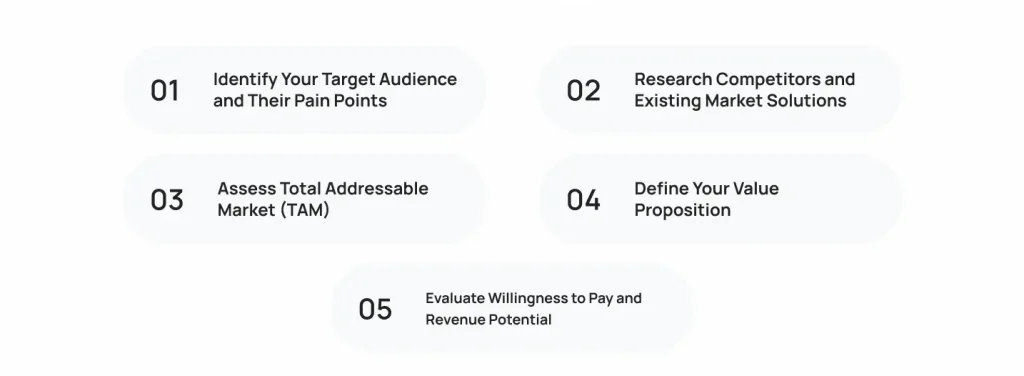
Many founders fall for the first idea. Use the five checks below instead. Each takes a few days, and together they cut risk.
1. Identify Your Target Audience and Their Pain Points
Write a one sentence description of your user. Include age, job, and the exact problem.
- List three problems your user faces each week.
- Rank them by frequency and cost.
- Pick the problem that hurts most.
2. Research Competitors and Existing Market Solutions
Download the top five apps in your category. Read their one and two star reviews. Those complaints show gaps you can fill.A written mobile app business plan keeps this research organized.
- Note missing features.
- Note pricing and free tier limits.
- Note update frequency.
3. Assess Total Addressable Market (TAM)
Estimate how many people could use your app and what each pays per year. Multiply those numbers for a Total Addressable Market (TAM) figure. Then narrow it to the share you can reach in two years. For example, 2 million target users paying $20 per year equals $40 million. A realistic first goal is 1% of that.
4. Define Your Value Proposition
State your Value Proposition in one line: who it helps, what result it delivers, and why it beats the alternative. If you cannot say it in 15 words, the idea needs work.
5. Evaluate Willingness to Pay and Revenue Potential
Ask users directly what they pay today for similar solutions. Test a price on a landing page and count sign ups. Willingness to Pay shows up in actions, such as pre-orders, not opinions.
| Revenue Model | Best For | Example |
| Subscription | Ongoing value | Fitness, finance |
| In-app purchases | Credits and content | Photo and video tools |
| Commission | Marketplaces | Local services |
| Advertising | Large free audiences | Social and utility |
How to Validate a Mobile App Idea Before Development
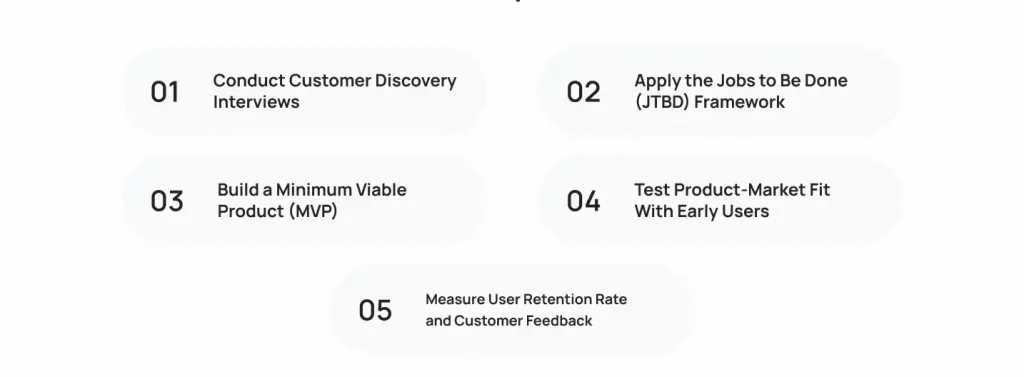
Validation costs a fraction of development. Our guide on how to validate an app idea covers the full process. Here is the short version for the best mobile app ideas for 2026.
1. Conduct Customer Discovery Interviews
Talk to 15 to 20 people in your target group. Ask about their last experience with the problem, not about your idea.
- “Walk me through the last time this happened.”
- “What did you try to fix it?”
- “What did it cost you?”
2. Apply the Jobs to Be Done (JTBD) Framework
Users hire an app to complete a job. A budgeting app, for instance, helps someone feel in control of money. Write each job as: “When I [situation], I want to [action], so I can [result].” Build features only for that job.
3. Build a Minimum Viable Product (MVP)
Ship one core feature first. A simple release needs 8 to 12 weeks for most concepts. Learn more in our post on what an MVP is.
- Include login, one main feature, and basic analytics.
- Skip social features and advanced settings.
- Fix what users report before adding more.
4. Test Product-Market Fit With Early Users
Release to 50 to 100 users. Ask them: “How would you feel if you could no longer use this app?” If at least 40% say “very disappointed,” you have a strong signal.
5. Measure User Retention Rate and Customer Feedback
Track how many users return on day 1, day 7, and day 30. A steep drop after day 1 means onboarding fails. Pair the numbers with short in-app surveys.
How to Compete With Established Apps in 2026
Big apps own the top of the charts. You still compete through focus and speed. Use the best mobile app ideas for 2026 as a base and sharpen them with these steps.
1. Find an Underserved Niche or Audience
Pick a group the large apps ignore, such as rural farmers, night shift workers, or small clinics. Serve them better than any general app does.
2. Differentiate Your App With a Clear Value Proposition
Choose one feature to do better than anyone. Show it in your first screen and your store listing.
3. Improve App Store Optimization (ASO)
- Place your main phrase in the title and subtitle.
- Use screenshots that show results, not menus.
- Ask happy users for ratings after a success moment.
- Test icons and screenshots every month.
4. Reduce Customer Acquisition Cost (CAC)
Paid ads get expensive fast. Lower Customer Acquisition Cost (CAC) with referral rewards, content, and partnerships with niche communities.
5. Increase Customer Lifetime Value (LTV) and User Retention
Raise Customer Lifetime Value (LTV) by adding a yearly plan, useful notifications, and new features based on feedback. Healthy apps earn at least three times their acquisition cost over a user’s life.
Bring Your Mobile App Idea to Life With Cubix
Cubix builds mobile products from concept to launch. If you plan to hire mobile app development company support, bring your target user, your core feature, and a rough budget. Your team then scopes an MVP, picks a technology stack, and sets a release plan.
Costs depend on features, platforms, and integrations. Our breakdown of mobile app development cost helps you set a realistic budget before you start.
Ready to move forward? Choose one of the best mobile app ideas for 2026, validate it with real users, and build a focused first version with a trusted mobile app development company.
Turn your app idea into reality with our expert development team.
Contact UsFAQs
1. What are the most trending mobile app ideas right now?
Generative AI assistants, AI photo and video tools, personal finance apps, mental wellness apps, and hyperlocal marketplaces lead current demand. AI features drive most growth because phones now run models on the device.
2. How do I know if an app idea is worth building?
Check four signals: a frequent problem, a reachable audience, proven willingness to pay, and a feature you do better than rivals. If users pre-order or join a waitlist, the idea is worth building.
3. Which app ideas work best for startups with small budgets?
Single purpose apps work best. Examples include subscription trackers, niche habit apps, and local booking tools. Each needs one core feature and a small team.
4. How much does it cost to build a trending app?
Simple MVPs cost less than full platforms, and AI or healthcare features raise the price. Feature count, platforms, and integrations set the final number. See the mobile app development cost guide for ranges.
5. Are AI-powered app ideas still a good opportunity?
Yes. Gartner expects GenAI smartphone spending to reach $393.3 billion in 2026. However, general chatbots face heavy competition, so focus on one profession or task.
6. How do I validate an app idea before development?
Interview 15 to 20 users, test a landing page with a price, and release a small MVP. Then measure retention and feedback.
7. Which industries have the most app opportunities?
Healthcare, finance, education, retail, travel, and home services show strong demand. Each has clear pain points and users who already pay for solutions.
8. How do I make money from a new app idea?
Choose a model that fits user behavior: subscription, in-app purchases, commission, or advertising. Many apps combine two, such as a free tier plus a paid plan.
9. Should I start with an MVP for my app idea?
Yes. An MVP tests demand with less spending and gives you real usage data before you add features.
10. How do I compete with established apps?
Serve a narrow niche, state one clear promise, improve your store listing, and track retention from day one.