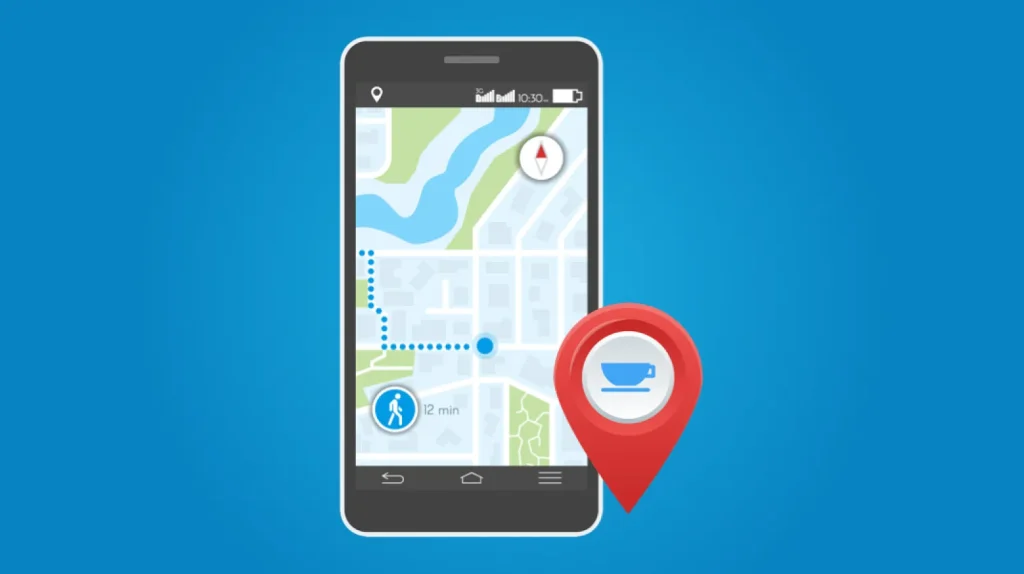
The mobile app development industry is taking the world by storm, and geolocation has emerged as a game-changing tool for businesses and developers. With new technologies trending across the market. According to the MarketsandMarkets report, Location-based services (LBS) and real-time location systems (RTLS) have moved beyond being mere conveniences; they’re now essential for driving user engagement, delivering personalized experiences, and unlocking new revenue opportunities. With the LBS and RTLS market projected to soar from USD 33.03 billion in 2025 to USD 51.24 billion by 2030, growing at a CAGR of 8.8%, from 2026 to 2030, the potential for innovation and growth is immense.
From on-demand delivery and ride-hailing to fitness tracking, AR gaming, and smart city solutions, geolocation apps are reshaping the way we interact with the world. For businesses, integrating GPS features means not only improving customer experiences but also unlocking new revenue streams and insights.
In this guide, we’ll explore how to build a location-based app, covering everything from market research and tech stack selection to security, design, and development strategies. We’ll also look at trending app ideas across industries, showing how geolocation can turn a simple app concept into a highly engaging and profitable product.
Why Geolocation Apps Are Essential
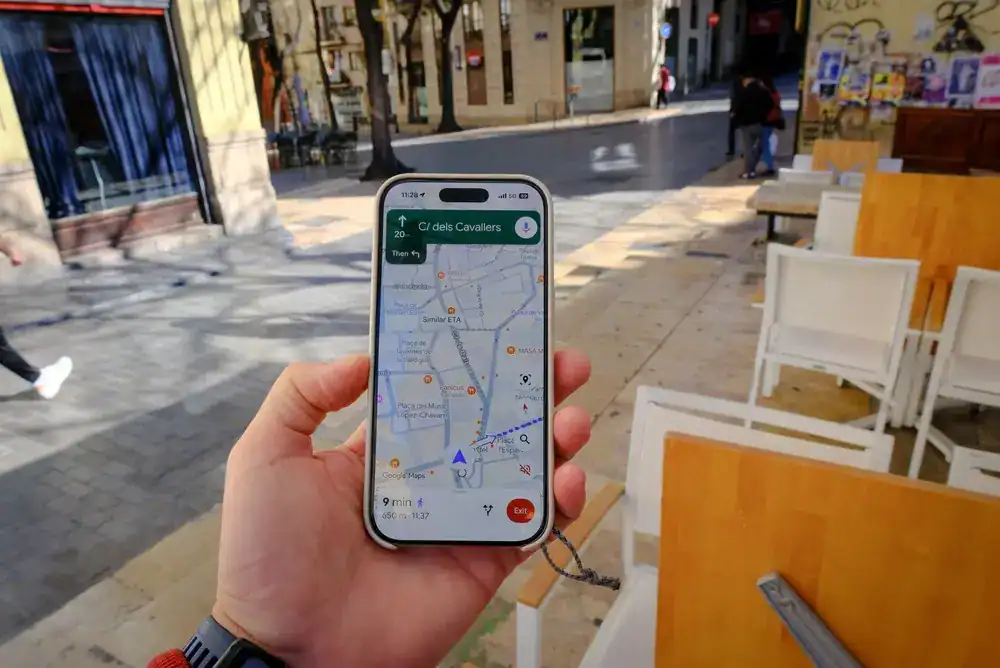
Geolocation apps have become a cornerstone of mobile experiences, providing real-time, personalized services that users now expect. By understanding where a user is, these apps can deliver smarter, faster, and more engaging interactions across industries.
1. Enhanced User Experiences
Location-based apps can suggest nearby services, optimize routes, and provide context-aware recommendations. Travel apps can point out attractions, fitness apps can track running routes, and delivery apps can ensure timely and accurate drop-offs.
2. AI and Predictive Analytics
Modern geolocation apps leverage AI to anticipate user behavior. Retailers can deliver tailored offers, logistics apps can optimize delivery routes, and fitness apps can recommend personalized workout paths. Predictive insights from location data increase engagement and retention.
3. IoT and Smart Solutions
Many geolocation apps are integrated with IoT devices, enabling connected experiences. From tracking smart transport systems to monitoring cargo and personal devices, geolocation provides actionable data that improves efficiency and safety.
4. AR and Immersive Interactions
Augmented reality combined with geolocation transforms how users explore the world. Apps can overlay interactive information in stores, offer AR gaming experiences, or enhance tourism with digital guides, creating highly immersive engagement.
5. Business Growth Opportunities
Location-based apps are shaping the future of how businesses interact with their customers. By using location data, companies can optimize operations, deliver personalized promotions, and create innovative services that anticipate user needs. In the coming years, geolocation technology will enable smarter logistics, predictive marketing, immersive experiences, and more seamless interactions, giving businesses the tools to stay ahead in a rapidly evolving digital landscape.
How to Create a Location-Based App
According to Grand View Research, the global location-based services market was valued at $59.65 billion in 2024 and is expected to skyrocket to $236.34 billion by 2033, with an impressive annual growth rate of 16.7% from 2025 to 2033. This means GPS-enabled apps are not just popular; they’re incredibly profitable, driving both user engagement and revenue like never before.
So, here’s what you need to know about how to build a GPS app:
Explore the Market
The crucial aspect of mobile app development is researching the market for your app idea. Observe the competition to study how they interact with their audiences and how users review the app.
Research will also help you identify the market gap, so you know what your target audience needs, whether the app will benefit the users, and highlight your unique selling point.
Find Your Tech Partner
Your tech partner is the developing company that will bring your location-based app idea to life. When choosing a reliable developer, compare the quality-price ratio, their experience, portfolio, and client reviews.
Their portfolio will show you if they have experience developing a GPS-enabled application, are familiar with the particular geolocation technologies, and more. It will make the development process much simpler if the company understands the perquisites of location-based app development.
Decide on the Tech Stack
To ensure the app helps you reach your business goals, decide on the features, geolocation technologies, and the tech stack.
Most often, geolocation apps use the Google Maps SDK. With iOS apps, however, you can also use the native MapKit by Apple. Other options include Wi-Fi, cellular networks, or Beacons to pinpoint the users’ location. For Web apps, the HTML5 geolocation API is the tool that developers use.
Work out the App Functionality
Most geolocation apps have similar core elements, including map view, user location detection, route mapping, and a finder for ‘places near me.’ A fully-functional app will have many other features depending on the purpose of your app.
However, for the first version, it’s better to keep the number of features to a minimum. Separate the elements that are essential to the app’s function for your MVP, then add new updates based on the success of the app in the market and the users’ needs.
App Security
Ensuring data protection is of utmost importance for any app if you want your users to trust your brand. Location-based apps track and share users’ locations. The idea is great for personalized advertisement, but it puts the users at risk of stalkers. So, security is a priority for geolocation apps.
Consult with data protection lawyers, and make sure the development company follows the steps below to secure your GPS app:
Use multi-factor authentication
Integrate end-to-end encryption and use an SSL certificate, Network Security Configuration for Android apps, or App Transport Security for iOS apps.
Avoid storing sensitive data on users’ devices. Alternatively, encrypt the data with algorithms like AES-256 or RSA.
Design & Protype
The designing stage is where you put pen to paper and visualize your idea. It’s also a way to validate your concept. Create a detailed wireframe for your app via online Wireframing tools and share the interactive prototype with investors to test the user experience and functionality of your app.
Development & MVP Launch
The development stage is where your idea comes to life. Top development companies employ the use of Agile Development methodologies for fast, manageable, and predictive processes.
Before launching the feature-rich location-based app, start with designing an MVP. The MVP is a minimum viable product with only the core characteristics that are vital to the app’s function. It will help validate your idea, provide user feedback, and test the user experience of the app.
Test and Launch
Quality Testing is crucial to remove bugs and improve code quality. Usually, developers consider QA testing as the last stage of development after writing the code. However, test-driven development is more effective and time-saving.
After testing, release the app onto both app stores, the Google Play Store and the iOS App Store.
Ideas for Geolocation Applications
Now, we’ll discuss some ideas for location-based applications:
Event Apps
Event apps are one of the geolocation applications that have made life convenient for young and experienced professionals as well as average folks.
Mobile apps make our smartphones a gateway to a more convenient and friendly world with geolocation features removing geographical boundaries, connecting people from everywhere. Event apps, for example, help individuals connect with people attending the same event.
The GPS-enabled app can help attendees find the location of the event, automatically check in when they enter the building, and more. The in-app chat feature also allows attendees to interact before the event to exchange insights.
The hosts, on the other hand, can benefit by viewing how the attendees are navigating around the event by tracking the location of mobile devices.
Health and Fitness Apps
Fitness tracking apps also make use of the geolocation feature. Many smartphone users above the age of 18 download fitness apps to maintain their health and track their progress. Meaning not only are fitness apps a smart investment for brand marketing, but also immensely profitable for the developer.
The geolocation feature within these apps helps individuals track a variety of sporting activities like cycling, swimming, and running. These location-based applications access the device’s GPS to map routes, track speed, and even connect with other fitness enthusiasts out for their run.
Dating Apps
Mobile apps make finding one individual in a crowd of a billion people a breeze. Dating apps are another idea for geolocation applications.
GPS feature in a dating app will help individuals connect with their potential partners outside the two-dimensional screen. It enables apps like Tinder and Happn to notify users if their match is in their vicinity. Meaning, individuals can meet and greet at any moment if they want, without going out of their way to plan a date. Additionally, the real-world experience improves the user experience of the app, making socializing more exciting.
On-Demand Services
For all on-demand service apps, geolocation is the uniting feature. Drivers need to know the users’ location for home deliveries of goods, including food, groceries, parcels, and more.
In taxi apps like Uber, for example, the GPS enables users to share their pickup and drop-off location with the driver. Additionally, the fare per ride is calculated based on the distance traveled, which also uses the geolocation feature.
On-demand mobile apps make everyday lives easier for students, professionals, and the average citizen. So, if you’ve got an idea for an on-demand app, then geolocation is a necessary feature.
Booking & Travel Apps
Booking and travel apps use geolocation to point out the nearest restaurant or hotel for any traveler. Even local people can use them to find eateries, entertainment places, or other items in their vicinity.
A travel app is a profitable investment for mobile app development. For individuals who like to plan their itinerary for the tiniest details, location-based apps can show them where to stay, what to see, where to visit, and what to eat. Personalized recommendations and directions within the app will improve user experience and make the journey hassle-free.
E-Commerce Applications
The e-commerce industry is another sector that has an immense need for geolocation applications. Both users and businesses can benefit from the integration of GPS features within mobile apps.
Users can keep track of their orders, from when it would get shipped to the time they reach their door. Geolocation also helps calculate extra shipping charges per delivery.
The e-commerce businesses, on the other hand, can benefit from location-based apps by tracking the location of customers to send personalized alerts. For example, if a regular customer spends most of his time at the ballpark, store owners can send notifications for discounts on gloves, uniforms, baseballs, bats, or complete kits.
Additionally, geolocation can also help individuals find the nearest retail stores like IKEA, Target, and Walmart mobile apps.
Gaming Applications featuring AR Technology
The mobile gaming industry might be the most underestimated sector for innovations in mobile app development. You might think geolocation has no use in the virtual world, but the popularity of Pokémon Go says otherwise. The game is the ultimate example of applications of geolocation and AR technology in gaming.
Combining AR and geolocation offers users a tremendous in-app experience. It gives users a sense of virtual engagement in real-time. So, if you want to develop a gaming app, the integration of geolocation will provide it with a competitive edge.
Augmented Reality Applications
Besides the gaming industry, location-based AR is also applicable for education apps, marketing apps, and even tourism.
The education industry can develop location-based apps to help students work on their geography lessons or astronomy, for instance. It will make studying about the planet and space more exciting.
Additionally, businesses can leverage AR and geolocation to display promotional offers, ongoing deals, and discounts when a customer points their smartphone camera at the restaurant or retailer.
IoT-Based Applications
Most IoT apps feature geolocation, like fitness apps that track the users’ health in real-time. Other examples of apps paired with GPS-powered IoT devices include security applications for family safety, pet tracking apps, and custom tags for luggage.
Additionally, you can make cities smarter with location-based apps that monitor traffic, parking lots, vehicles, and cargo.
Indoor Navigation
Geolocation is not limited to outdoor navigation. Indoor navigation utilizes a network of BLE devices (Bluetooth low energy), instead of traditional GPS data, but the possibilities for such technology are endless.
Primarily for malls, large resorts, and hotels, developers can create apps that help visitors navigate around the venue, locate bathrooms, the pool area, the sauna, the dining room, and more.